Backstage Tours
Venice, Italy
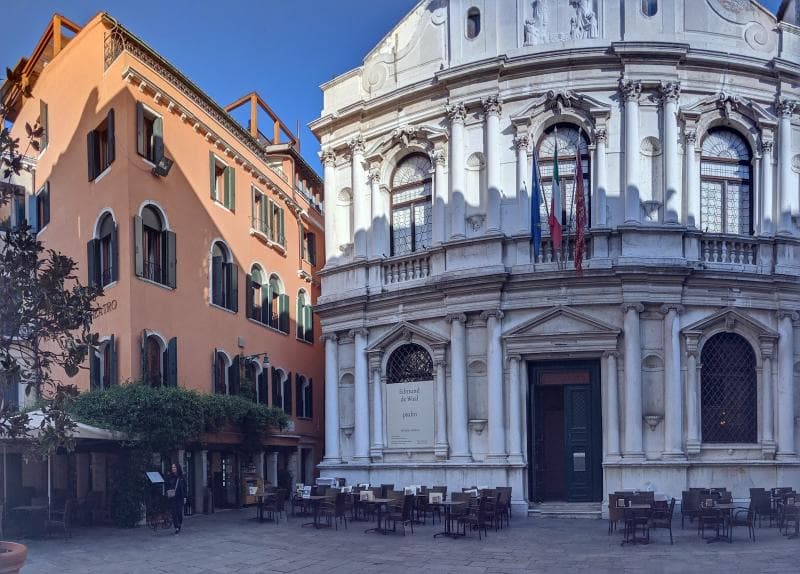
Explore the backstage secrets of Teatro La Fenice in Venice, Italy. Discover its phoenix-like history, stunning interiors, and legendary opera premieres.
Overview
Stepping into Teatro La Fenice in Venice, Italy, is akin to entering a living legend. This iconic opera house, whose very name means 'The Phoenix', stands as a powerful symbol of resilience and rebirth. It is not merely a venue for magnificent performances but a monument to history, culture, and the enduring spirit of Venice itself. A visit here offers a deep dive into the rich tapestry of Italian theatre, where the opulent architecture and world-renowned acoustics set the stage for an unforgettable experience. The Backstage Tours of Teatro La Fenice invite curious travellers beyond the gilded seats, offering a privileged glimpse into the hidden realms where artistic magic is born.
These tours unveil the theatre's secrets, allowing visitors to walk the same paths as legendary composers and performers, exploring areas typically reserved for the artists themselves. From the intricately designed main stage to the historic dressing rooms and exclusive Sale Apollinee, the tours provide a comprehensive understanding of what makes this particular theatre so special. It's an intimate journey through centuries of operatic brilliance, architectural marvels, and a history marked by dramatic devastation and triumphant resurgence.
History & Cultural Background
Teatro La Fenice opened its doors in 1792, commissioned by a noble society seeking a grand new theatre after their previous one burned down. Little did they know, the name 'The Phoenix' would prove prophetic many times over. The theatre was almost entirely destroyed by fire in 1836, an accidental blaze attributed to a faulty stove. Yet, true to its name, it rose swiftly from the ashes, meticulously rebuilt and reopened just a year later, in 1837.
The 19th century cemented La Fenice's reputation as a cradle of opera, hosting the world premieres of numerous masterpieces by Giuseppe Verdi, including 'Ernani', 'Attila', 'Rigoletto', and 'La Traviata', as well as significant works by Rossini, Bellini, and Donizetti. The theatre's interiors, featuring a luxurious neoclassical style with rich gilt decorations, plush velvet, and ornate stucco work, became synonymous with Venetian elegance. Tragedy struck again in January 1996 when an arson attack devastated the theatre, leaving only its exterior walls standing. The world mourned the loss of this cultural treasure, but Venice committed to rebuilding it 'com'era, dov'era'—'as it was, where it was'. After an extensive reconstruction period, La Fenice triumphantly reopened in 2003, faithfully restoring its 19th-century splendor.
What Makes It Special
The enduring legacy of Teatro La Fenice lies in its extraordinary capacity for rebirth, making every visit a testament to human resilience and artistic passion. Its remarkable story, mirrored in its name, imbues the very fabric of the building with a profound sense of history and triumph over adversity. Beyond its dramatic narrative, La Fenice is celebrated for its near-perfect acoustics, considered among the finest in the world. The architectural design, particularly the horseshoe shape of the auditorium and the choice of materials, ensures that sound is distributed evenly, creating an immersive experience for every audience member.
The Backstage Tours offer an unparalleled opportunity to appreciate these unique qualities up close. Guests can step onto the hallowed main stage, imagining the echoes of countless operatic triumphs, and explore the historic dressing rooms, often still furnished with period pieces, offering a tangible connection to the artists of yesteryear. The tours also typically include the Foyer, the magnificent auditorium with its Royal Box, and the elegant Sale Apollinee, which served as reception rooms. These areas, normally hidden from the public eye, provide a deeper appreciation for the intricate craftsmanship and the grandeur that defines this Venetian landmark. An additional highlight for many is the permanent exhibition dedicated to the legendary soprano Maria Callas, showcasing her strong ties to Venice and La Fenice.
Stories, Fun Facts & Local Details
The history of La Fenice is rich with captivating anecdotes that add layers of charm to its grandeur. Perhaps the most dramatic story is that of the 1996 fire, which was deliberately set by two electricians seeking to avoid penalties for delays in their work. This act of arson shocked the world, yet it only reinforced the theatre's 'Phoenix' identity, leading to its reconstruction with the defiant motto 'com'era, dov'era'—a sentiment previously invoked for the rebuilding of St. Mark's campanile.
Opera buffs will appreciate knowing that Giuseppe Verdi's 'La Traviata', now one of the most beloved operas, was famously booed by its premiere audience at La Fenice in 1853. It was only after revisions that it achieved its legendary status. Architecturally, La Fenice is unique among historic Venetian theatres for its façade opening onto an open campo, Campo San Fantin, rather than a secluded alley. It also boasts a distinctive 'porta d'acqua', or water entrance, allowing esteemed guests to arrive directly by gondola. Since its latest reopening, La Fenice hosts an annual New Year's Concert, a cherished tradition that concludes with the rousing 'Libiamo ne' lieti calici' from 'La Traviata', symbolizing hope and celebration.
Visitor Perspective
For the curious traveler, a Backstage Tour of Teatro La Fenice is an essential Venetian experience. Daily tours, often enhanced by complimentary audio guides available in multiple languages, offer flexibility and depth. The tour typically lasts around 45 minutes and guides visitors through the public areas like the Foyer, the main auditorium with its boxes and Royal Box, and the elegant Sale Apollinee. Some tours explicitly feature access to the main stage and historic dressing rooms, offering a truly immersive 'behind the scenes' perspective.
To best appreciate the theatre's intricate details, it's recommended to visit in the early morning when natural light bathes the gilded decorations, or in the late afternoon for a softer glow. Allow at least a full hour to absorb the atmosphere and history. Teatro La Fenice is committed to accessibility, providing elevators and accessible routes for visitors with reduced mobility. Given Venice's unique environment, visitors are also advised to check for potential high tides, as the theatre is in one of the city's lower-lying areas. Whether you are an opera enthusiast or simply a lover of history and beautiful architecture, a Backstage Tour of La Fenice offers a profound connection to Venice's artistic soul.
Coordinates: 12.3338, 45.4336
View on Google Maps💬 How Travelers Describe This Place
Based on community votes
Beautiful
872Must See
846Unique
684Interesting
363Photogenic
250
Traveler Stories
Discover memorable experiences shared by travelers who have visited this place.
No traveler stories yet.
Be the first traveler to share what made this place memorable.

Tour
By
Spot
Discover amazing places around the world. Your journey starts here.
Explore
© 2026 TourBySpot. All rights reserved.