Audio Tour Trail
Phnom Penh, Cambodia
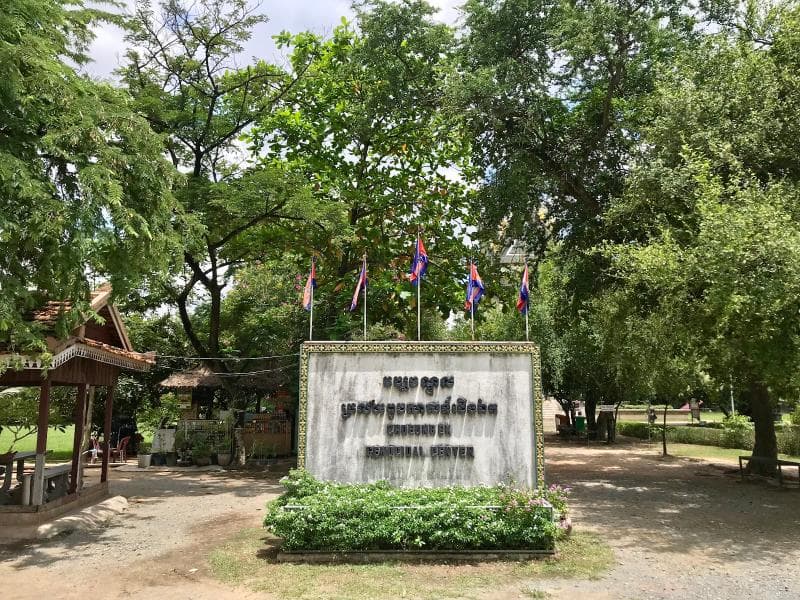
Explore the Choeung Ek Genocidal Center's Audio Tour Trail in Phnom Penh, Cambodia. Gain deep insight into the Khmer Rouge era through survivor stories and historical narratives.
Overview
The Audio Tour Trail at the Choeung Ek Genocidal Center in Phnom Penh, Cambodia, offers a profound and sobering journey through one of the most infamous sites of the Khmer Rouge regime. Situated approximately 15 to 17 kilometers south of the city center, this former orchard was transformed into a mass execution ground and burial site between 1975 and 1979. The Audio Tour Trail is an indispensable component of a visit, meticulously guiding travelers through the sprawling grounds and providing crucial historical context and deeply personal narratives. It transforms a silent landscape into a tapestry of voices, ensuring that the stories of those who perished are heard.
Far from a typical tourist attraction, Choeung Ek stands as a solemn memorial, encouraging quiet reflection and remembrance. The audio tour, typically included with the admission fee, is available in numerous languages and is designed to take between one to two hours, allowing ample time for absorption and contemplation. The path leads visitors through various stations, each revealing a different aspect of the atrocities committed, culminating at the poignant Memorial Stupa.
History & Cultural Background
Between 1975 and 1979, Cambodia endured the brutal reign of the Khmer Rouge, led by Pol Pot. Their radical vision for an agrarian socialist society led to the Cambodian genocide, a dark period in which an estimated 1.7 to 2 million Cambodians perished through execution, forced labor, starvation, and disease. Choeung Ek served as a primary extermination site, particularly for those prisoners deemed 'enemies of the state' from the notorious Tuol Sleng (S-21) detention center in Phnom Penh.
The regime's cruelty at Choeung Ek was systematic and chilling. To conserve precious bullets, executions were often carried out with crude tools like pickaxes, hoes, and machetes. Loudspeakers blared revolutionary music across the site, intended to drown out the screams of the victims. After the fall of the regime, over 8,000 human remains were exhumed from the mass graves at Choeung Ek, bearing silent witness to the horrors. These remains are now respectfully housed within the towering Memorial Stupa, arranged by age and sex, serving as a powerful monument to the lives lost. In recognition of its profound historical significance, Choeung Ek was fittingly designated a UNESCO World Heritage Site in 2025.
What Makes It Special
The Audio Tour Trail at Choeung Ek is not merely informative; it is a meticulously crafted narrative designed to immerse visitors in the profound human tragedy that unfolded here. It is widely considered essential for a meaningful visit, enriching understanding far beyond what visual markers alone could convey. The tour provides a multifaceted perspective, interweaving factual explanations of historical events and site-specific atrocities with deeply moving personal testimonies. Listeners hear the voices of survivors recounting their harrowing experiences, family members sharing their grief, and, in some instances, even chilling accounts from former Khmer Rouge cadres or executioners, offering a rare and disturbing glimpse into the perpetrators' mindset.
As you move from one marked station to another, the audio guide precisely directs your attention to specific locations, such as the numerous mass graves, the infamous 'Killing Tree,' and the Memorial Stupa, explaining the grim significance of each. This guided, reflective experience fosters an environment of solemn respect, allowing visitors to process the overwhelming information at their own pace. The intentional pacing and thoughtful presentation underscore that Choeung Ek is a place of remembrance and education, not a spectacle.
Stories, Fun Facts & Local Details
The audio tour often incorporates elements that heighten its emotional impact. For instance, segments featuring traditional Cambodian music, such as 'Oh Phnom Penh,' offer a poignant cultural backdrop, deepening the sense of loss and resilience. Visitors are encouraged to sit on scattered benches or beneath the trees, absorbing the commentary in a personal and contemplative manner, often in profound silence shared with fellow travelers.
Perhaps one of the most haunting details conveyed by the tour is the ongoing emergence of bone fragments and scraps of clothing from the soil, especially after rainfall. This stark reality serves as a constant, tangible reminder of the site's brutal past; these remnants are regularly collected by site supervisors with immense respect. Another deeply disturbing point on the trail is the 'Killing Tree,' against which infant children were reportedly bashed to death. This spot is often adorned with colorful friendship bracelets and flowers left by visitors, a small act of tribute and remembrance for the youngest victims. The tour also reveals the chilling Khmer Rouge slogan: 'To keep you is no gain; to lose you is no loss,' encapsulating the regime's dehumanizing ideology. Details about structures like the 'Dark and Gloomy Detention' shed, windowless and designed to muffle sounds, further illustrate the methodical horror prisoners faced before execution.
Visitor Perspective
Visitors consistently describe the Audio Tour Trail at Choeung Ek as a deeply harrowing, sobering, and immensely moving experience. It leaves an indelible mark, staying with individuals long after they depart the site. The atmosphere is one of profound respect and quietude, with visitors encouraged to dress modestly and speak softly, reflecting the sacred nature of the memorial. The audio guide is lauded for its effectiveness in conveying the magnitude of the Cambodian genocide, transforming abstract history into a tangible and emotionally resonant reality.
For many, the visit is not merely an educational outing but a transformative experience, fostering a deeper appreciation for their own lives and reinforcing the critical importance of remembering such atrocities to prevent their recurrence. It is described as humbling and, for some, even life-changing, prompting a commitment to understanding and advocating for peace. The Audio Tour Trail ensures that the silent screams of the past echo powerfully, compelling visitors to confront a dark chapter of human history with empathy and understanding.
Coordinates: 104.90194, 11.48444
View on Google Maps💬 How Travelers Describe This Place
Based on community votes
Unique
896Photogenic
550Must See
102Beautiful
95Interesting
28
Traveler Stories
Discover memorable experiences shared by travelers who have visited this place.
No traveler stories yet.
Be the first traveler to share what made this place memorable.

Tour
By
Spot
Discover amazing places around the world. Your journey starts here.
Explore
© 2026 TourBySpot. All rights reserved.