Attic
Barcelona, Spain
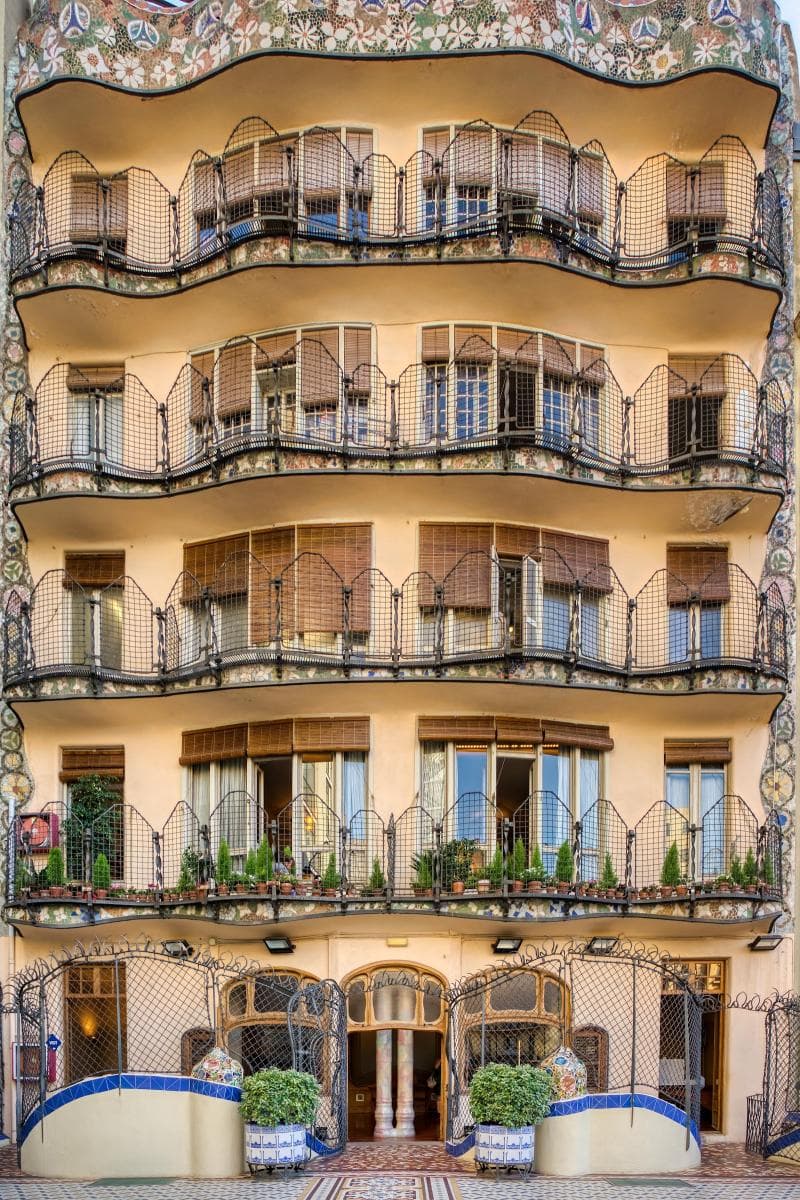
Explore the Attic of Casa Batlló in Barcelona, Spain – Gaudí's architectural marvel featuring catenary arches resembling a whale's ribcage.
Overview
Nestled within the extraordinary Casa Batlló in Barcelona, Spain, the 'Attic', or Loft as it is also known, is an emblematic space that perfectly encapsulates Antoni Gaudí's genius in blending aesthetics with unparalleled functionality. Far from a typical attic, this area was originally conceived as a practical service zone for the building's tenants, housing laundry rooms and storage facilities. Today, it stands as a testament to Gaudí's ability to transform even the most utilitarian spaces into works of art, characterized by its striking architectural forms and an ethereal, light-filled atmosphere.
Visitors often find the Attic to be one of the most distinctive areas within Casa Batlló, offering a serene contrast to the more flamboyant sections of the house. Its design is a subtle yet profound reflection of Gaudí's deep connection to nature, particularly marine forms, inviting a sense of wonder and peaceful contemplation.
History & Cultural Background
Casa Batlló itself was not a new construction but a radical remodel of an existing 1877 building, undertaken by Antoni Gaudí between 1904 and 1906 for textile industrialist Josep Batlló. Gaudí was given complete creative freedom, and his transformation was so profound that the building earned the local nickname 'Casa dels Ossos' or 'House of Bones' due to its organic, skeletal appearance.
The Attic was integral to this comprehensive renovation. While its primary role was practical, Gaudí imbued it with the same innovative spirit and natural inspiration found throughout the rest of Casa Batlló. He added two additional levels during the renovation, including the Attic, demonstrating his commitment to enhancing both the artistic value and the functionality of the structure. The simplicity and Mediterranean influence, particularly the pervasive use of white, were deliberate choices that highlighted the space's original purpose while still integrating it into Gaudí's overall artistic vision.
What Makes It Special
The defining feature of Casa Batlló's Attic is its series of sixty catenary arches. These parabolic arches, made of brick and then plastered, create a visually stunning and structurally efficient system. Gaudí was a master of the catenary arch, understanding its inherent strength and beauty, and he utilized it extensively in his work, often drawing inspiration from natural forms.
The elegance of these arches, combined with the bone-coloured plastering and stark white walls, gives the Attic a unique, almost ethereal quality. This design not only supports the roof effectively but also creates a space that feels expansive and sculptural, enveloping visitors in its airy embrace. The innovative use of these arches is a prime example of Gaudí's bio-mimicry, where natural principles guide architectural design, leading to both structural integrity and poetic form.
Stories, Fun Facts & Local Details
The most enduring interpretation of the Attic's design is that its sixty catenary arches evoke the thoracic cage or ribcage of a large animal, often likened to a whale's belly or even the skeletal structure of a dragon. This imagery connects directly to the broader narrative of Casa Batlló, which many interpret as a representation of Saint George slaying the dragon, with the roof forming the dragon's scaly back.
This organic analogy is a prime example of Gaudí's philosophy of deriving architectural solutions from nature. The Attic acts as a 'dragon's belly,' providing insulation and ventilation for the building, demonstrating that even in a service area, Gaudí wove in profound symbolism and practical innovation. The minimalist, whitewashed interior of the Attic highlights the pure form of the arches, allowing visitors to truly appreciate the structural ingenuity and the symbolic weight of the space. It's a stark contrast to the vibrant, colorful facade, yet equally captivating.
Visitor Perspective
Entering the Attic provides a unique transition from the richly decorated main floors of Casa Batlló. The space, with its repeated series of gentle arches and abundant natural light, offers a moment of calm and introspection. The white, undulating forms create a sense of being inside a living, breathing organism, reinforcing the 'House of Bones' moniker.
For a curious traveler, exploring the Attic is an opportunity to witness Gaudí's meticulous attention to detail and his profound understanding of structural mechanics, even in areas not intended for grand display. It's a journey through the functional heart of a masterpiece, revealing how beauty and utility converge. The Attic also serves as a passageway to the famous rooftop terrace, allowing visitors to appreciate the journey from the 'whale's belly' to the 'dragon's back' of Casa Batlló.
Coordinates: 2.16492, 41.39158
View on Google Maps💬 How Travelers Describe This Place
Based on community votes
Photogenic
683Beautiful
536Must See
489Unique
251Interesting
88
Traveler Stories
Discover memorable experiences shared by travelers who have visited this place.
No traveler stories yet.
Be the first traveler to share what made this place memorable.

Tour
By
Spot
Discover amazing places around the world. Your journey starts here.
Explore
© 2026 TourBySpot. All rights reserved.