Assyrian Lion Hunt Reliefs
London, United Kingdom
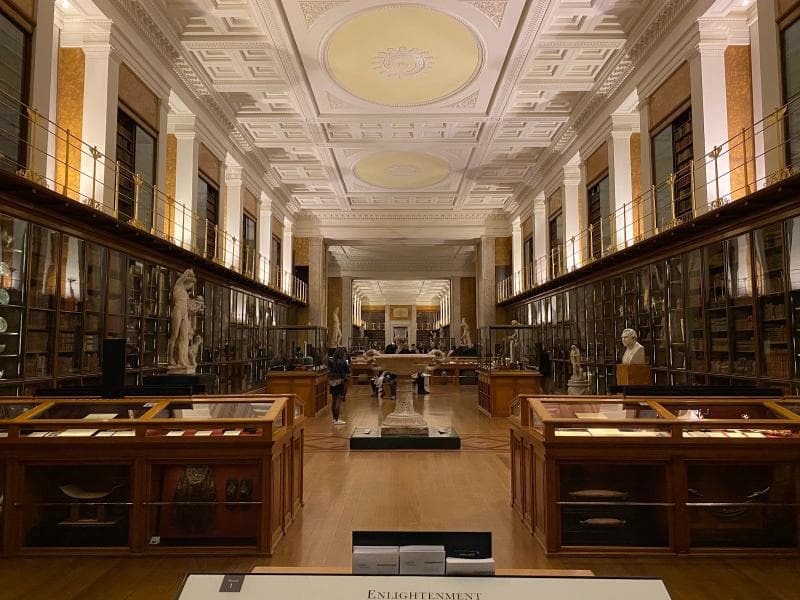

Explore the dramatic Assyrian Lion Hunt Reliefs at the British Museum in London, United Kingdom, depicting King Ashurbanipal's royal hunts.
Overview
Step into the heart of ancient Mesopotamia at the British Museum in London, where the awe-inspiring Assyrian Lion Hunt Reliefs transport you to a world of royal power and dramatic artistry. Located within Room 10a of this iconic institution, these magnificent alabaster carvings are widely considered among 'the supreme masterpieces of Assyrian art'. Discovered in the ruins of King Ashurbanipal's North Palace in Nineveh, modern-day Iraq, these reliefs depict a formalized, ritualistic lion hunt, a powerful symbol of royal authority and divine favor.
History & Cultural Background
The reliefs date back to approximately 645–635 BC, created during the reign of King Ashurbanipal (669–631 BC), the last great king of the Neo-Assyrian Empire. In ancient Mesopotamia, the ritualistic killing of lions was an exclusive privilege of royalty, symbolizing the king's role as a protector who maintained order against the forces of chaos. These were not merely hunting scenes in the wild; rather, they portrayed staged events where captured Asian lions were released into an arena for the king to dispatch with arrows, spears, or a sword.
The scenes adorned the walls of Ashurbanipal's palace in Nineveh, intended to publicly proclaim his prowess and divine mandate to his subjects and any visiting dignitaries. The discovery of these reliefs in the 1850s by Hormuzd Rassam brought to light an extraordinary artistic and historical record of a powerful empire.
What Makes It Special
The Assyrian Lion Hunt Reliefs are remarkable for their extraordinary realism, especially in the depiction of the lions. While human figures, particularly the king, are often shown in formal, almost static poses, the lions are captured in a breathtaking variety of dynamic states: alive, attacking, wounded, and dying. The artists masterfully conveyed the animals' agony and strength, making these carvings exceptionally moving. Carved in low relief on gypsum alabaster, the meticulous detail extends to the king's garments, chariots, and the weaponry, showcasing the pinnacle of Assyrian artistic skill.
The narrative quality of the reliefs is also unique, stretching across many meters of carved panels, detailing the release of the lions, the pursuit, and their ultimate demise. This sustained narrative offers a vivid glimpse into the ceremonial pageantry and propaganda of the Neo-Assyrian court.
Stories, Fun Facts & Local Details
Imagine the raw power and drama these reliefs conveyed in their original setting, perhaps illuminated by flickering torchlight. One particular detail often captures visitors' attention: the poignant depiction of a dying lioness, shot with arrows, dragging her hindquarters. This image, despite its brutal context, evokes a profound sense of pathos, a testament to the artists' ability to imbue their subjects with emotion.
The hunts themselves were highly ritualized performances. Lions, captured from the surrounding marshes, were released in a controlled environment, ensuring the king's safety and maximizing the symbolic impact of his 'victory'. The reliefs show not just the king in action, but also the elaborate setup, complete with huntsmen, mastiff dogs, and shield-bearers, all contributing to the spectacle.
Visitor Perspective
When you stand before the Assyrian Lion Hunt Reliefs in Room 10a of the British Museum, you're not just looking at ancient art; you're witnessing a potent declaration of power from a civilization long past. The sheer scale and intricate detail of the carvings demand your attention, allowing you to trace the narrative of the hunt panel by panel. Take time to observe the contrasting styles – the stoic king versus the dramatically rendered animals – and reflect on the cultural beliefs these images were designed to uphold. The artistry and emotional impact of these reliefs make them an unforgettable highlight of any visit to the British Museum, offering a direct link to the heart of ancient Assyrian culture.
Coordinates: -0.12726, 51.5185
View on Google Maps💬 How Travelers Describe This Place
Based on community votes
Interesting
980Beautiful
963Must See
663Photogenic
389Unique
201
Traveler Stories
Discover memorable experiences shared by travelers who have visited this place.
No traveler stories yet.
Be the first traveler to share what made this place memorable.

Tour
By
Spot
Discover amazing places around the world. Your journey starts here.
Explore
© 2026 TourBySpot. All rights reserved.