Assembly Hall
Budapest, Hungary
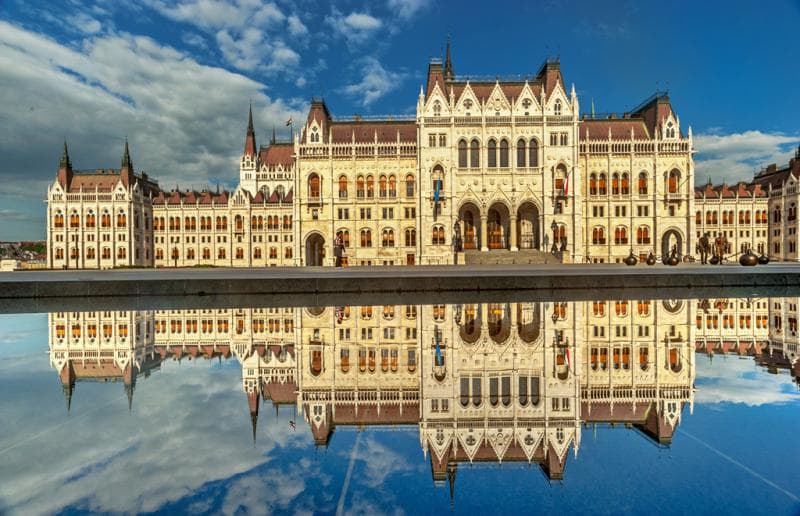
Explore the Assembly Hall inside the Hungarian Parliament Building in Budapest, Hungary. Discover its history, unique architecture, and cultural significance.
Overview
Nestled within the grandeur of the Hungarian Parliament Building in Budapest, Hungary, the Assembly Hall serves as the pulsating heart of Hungarian democracy. This magnificent chamber is where the National Assembly of Hungary convenes, making crucial decisions that shape the nation's future. The Parliament Building itself is an architectural marvel, predominantly designed in the Neo-Gothic style, yet incorporating Renaissance Revival elements in its iconic central dome and Baroque influences in its lavish interiors. Completed in 1904, it stands as the largest building in Hungary and a proud symbol of national sovereignty and heritage.
Visitors to the Hungarian Parliament Building are often captivated by the sheer scale and intricate detailing found throughout its 691 rooms, and the Assembly Hall is undoubtedly one of its most impressive spaces. It is a place where history is made, surrounded by art and symbolism reflecting Hungary's rich past. Guided tours offer a unique opportunity to step inside this working legislative chamber, providing a glimpse into the nation's political life and architectural splendor.
History & Cultural Background
The Hungarian Parliament Building's construction, spanning from 1885 to 1904, marked a period of significant national resurgence following the Austro-Hungarian Compromise of 1867. The Diet resolved to establish a new, representative parliament building that would symbolize the nation's sovereignty and its commitment to Western European ideals. Imre Steindl's winning design, influenced by the British Houses of Parliament, aimed to create a structure that was both functional and deeply symbolic.
Historically, the building was designed with two identical legislative chambers, often referred to as the Lower House and the Upper House, reflecting a bicameral legislative system. Today, with a unicameral National Assembly, only one of these chambers, the Assembly Hall, is actively used for parliamentary sessions. The other chamber now serves for ceremonial purposes, conferences, and as part of guided tours. This symmetrical design is a fascinating historical echo within the building's layout.
What Makes It Special
The Assembly Hall is a breathtaking display of craftsmanship and historical narrative. Its opulent interior is characterized by rich wooden paneling, plush seating, and an atmosphere imbued with gravitas. The walls and ceilings are adorned with exquisite frescoes, paintings, and vibrant stained-glass windows, contributing to its overall splendor. A particularly striking feature is the array of coats of arms displayed on the main wall, representing six historically significant ruling dynasties of Hungary: the Árpáds, the Angevins, the Corvin family, the Jagiellons, the Zápolyas, and the House of Habsburg-Lorraine. These emblems narrate a visual story of Hungary's complex and proud lineage.
Beyond its aesthetic beauty, the Assembly Hall is special for its role as a living testament to Hungarian democracy. It's not merely a museum piece but an active seat of government where legislative business unfolds. The fusion of Gothic Revival, Renaissance Revival, and Baroque styles makes the entire building, including the Assembly Hall, a unique architectural achievement, drawing comparisons to other grand parliamentary structures across Europe.
Stories, Fun Facts & Local Details
One charming and distinctly Hungarian detail found within the Assembly Hall is the use of a speaker's bell to call the legislative body to order, rather than the gavel commonly seen in many other parliamentary systems. This subtle tradition highlights the unique customs embedded within Hungarian governance.
The sheer volume of materials used in the Parliament Building's construction is staggering, including 40 million bricks, half a million precious stones, and 40 kilograms of gold, emphasizing the nation's commitment to creating a monument of lasting significance. The number '96' holds deep symbolic meaning throughout the building's design. The central dome's height of 96 meters and the 96 steps of the Grand Stairway commemorate the year 896, marking the approximate date of Hungary's establishment. This thoughtful integration of national history into its very fabric makes a visit to the Assembly Hall a journey through time.
Visitor Perspective
Visiting the Assembly Hall as part of a guided tour offers a truly immersive experience. Tours typically last around 45 minutes and are available with professional guides or audioguides in multiple languages, making the rich history and intricate details accessible to a global audience. While tickets can sometimes be purchased on the spot, advance online booking is highly recommended, especially during peak seasons, to ensure a seamless visit.
The entrance for visitors is conveniently located at the Visitor Centre in the northern part of Kossuth Square, often referred to as Gate XII. Visitors are encouraged to observe a dress code and code of conduct, respecting the dignity of this active legislative space. Walking through the Assembly Hall, guests can truly feel the weight of history and the ongoing pulse of Hungarian political life, making it an unforgettable highlight of any trip to Budapest.
Coordinates: 19.04567, 47.50708
View on Google Maps💬 How Travelers Describe This Place
Based on community votes
Interesting
799Must See
639Beautiful
526Unique
181Photogenic
30
Traveler Stories
Discover memorable experiences shared by travelers who have visited this place.
No traveler stories yet.
Be the first traveler to share what made this place memorable.

Tour
By
Spot
Discover amazing places around the world. Your journey starts here.
Explore
© 2026 TourBySpot. All rights reserved.