Artisan Shops
Venice, Italy
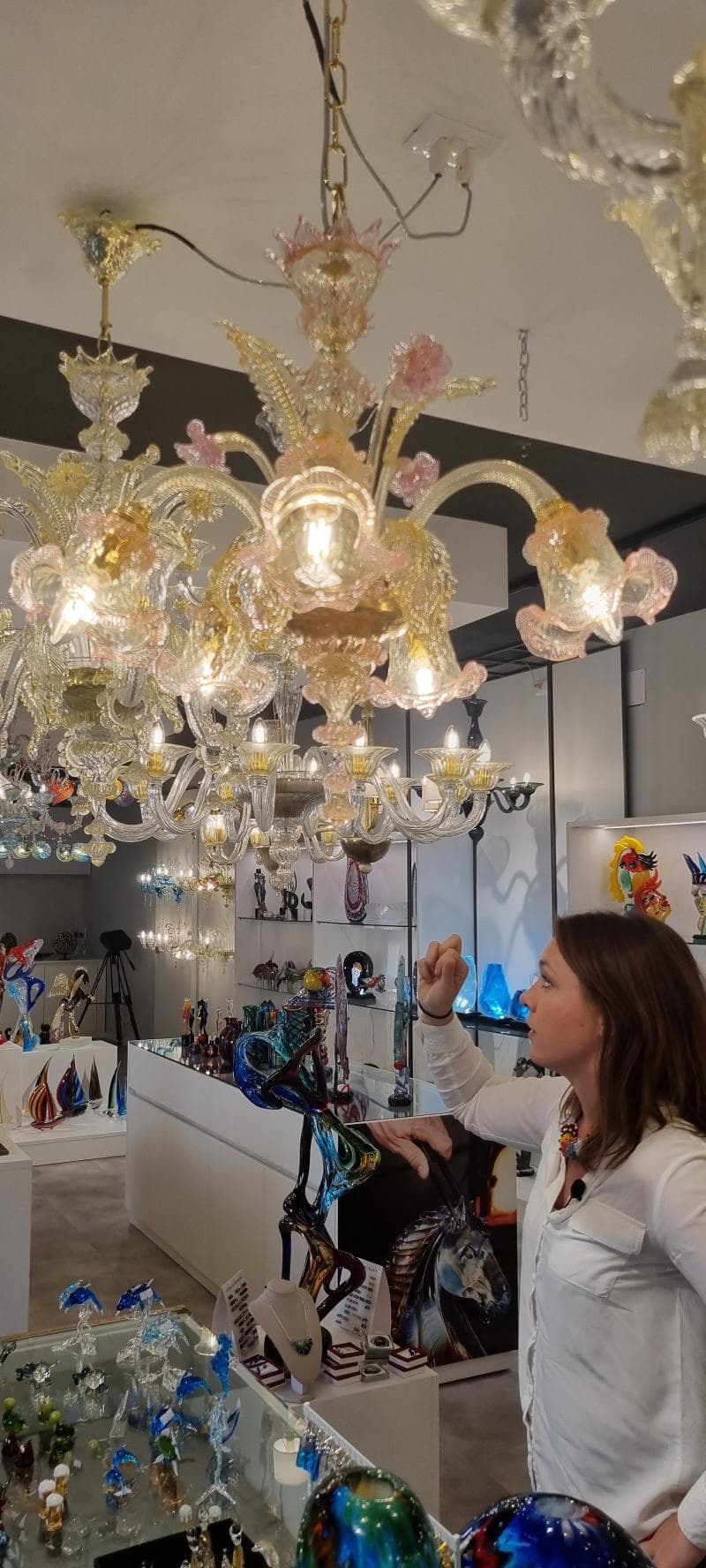
Discover Murano Island's exquisite artisan glass shops in Venice, Italy. Explore centuries of handmade Murano glass craftsmanship and unique traditions.
Overview
Stepping onto Murano Island in Venice, Italy, one is immediately enveloped by a legacy of shimmering artistry and centuries-old tradition. The artisan shops of Murano are not merely retail spaces; they are vibrant showcases of glassmaking mastery, a craft that has defined this cluster of islands for over 700 years. Just a short boat ride from the bustle of Venice, Murano offers a unique journey into the heart of a living art form, where fire, sand, and air are transformed into breathtaking works of glass. These shops, often connected to active furnaces, invite curious travelers to witness the intricate processes and discover the stories behind each luminous creation, from delicate jewelry to grand chandeliers.
History & Cultural Background
The illustrious history of Murano glassmaking dates back to the 13th century. While glass production had existed in Venice earlier, a pivotal decree in 1291 by the Venetian Republic mandated that all glass furnaces be moved from Venice to Murano. This decision was primarily driven by two critical factors: minimizing the significant fire hazard posed by the glass-blowing furnaces to Venice’s predominantly wooden buildings, and, perhaps more importantly, safeguarding the closely guarded secrets of the craft. By isolating the glassmakers on Murano, the Republic could better control production, prevent industrial espionage, and ensure that the valuable techniques remained exclusive to Venice. Murano’s glassmakers quickly ascended to a privileged position within society, enjoying immunities and even being permitted to wear swords. Despite these advantages, leaving the island without official permission could result in severe penalties, underscoring the Republic's determination to maintain its monopoly.
What Makes It Special
The artisan shops of Murano are special because they are direct conduits to an unbroken lineage of skill and innovation. What makes Murano glass truly unique are the traditional, handmade techniques passed down through generations. These include: Glassblowing, where molten glass is shaped by breath and skilled hands; Murrine, involving intricate patterns created by fusing and slicing colored glass rods; Filigree (Filigrana), which weaves milky glass threads for ethereal transparency; Avventurina, adding metallic crystals for shimmering effects; and Sommerso, a technique of layering colored glass within clear glass. Each piece emerging from these workshops is a one-of-a-kind creation, bearing the subtle marks of its artisanal origin, such as tiny air bubbles or slight asymmetries, which are hallmarks of authenticity, not flaws. The vibrant, deep colors and the multi-layered construction often distinguish genuine Murano glass from mass-produced imitations.
Stories, Fun Facts & Local Details
Beyond the breathtaking beauty of the glass, Murano's artisan culture is rich with fascinating stories. The glassmakers, once confined to the island, were paradoxically granted noble titles and their daughters could marry into Venice's most affluent families. This dual existence of privilege and restriction highlights the immense value placed on their craft. Historically, Murano glass beads, known as 'perle,' even served as a form of currency, traded across continents. Watching a master glassmaker at work is like witnessing a centuries-old dance with fire, where molten material transforms under intense heat into delicate forms in mere minutes. Many workshops welcome visitors to observe these mesmerizing demonstrations, a testament to the artisans' pride in their transparent process. It's often recommended for visitors to first explore the Murano Glass Museum (Museo del Vetro) to train their eye and understand the historical context and evolution of Murano glass before delving into the shops.
Visitor Perspective
For a curious traveler, visiting Murano's artisan shops is an immersive cultural experience. Strolling along the canals, one encounters numerous workshops and showrooms, each offering a glimpse into the diverse styles and techniques of Murano glass. Engaging with the artisans themselves, hearing about their family traditions, and witnessing their passion first-hand adds profound depth to any purchase. When buying, prioritize authenticity; look for official labels or certificates of origin, and be wary of prices that seem too good to be true, as genuine Murano glass is an investment in art and history. A visit to Murano is not just about acquiring a beautiful object; it's about connecting with a vibrant heritage, understanding the dedication behind each intricate piece, and taking home a tangible fragment of Venetian artistry that resonates with tradition and cultural pride.
Coordinates: 12.35361, 45.4575
View on Google Maps💬 How Travelers Describe This Place
Based on community votes
Unique
951Must See
748Interesting
491Beautiful
427Photogenic
414
Traveler Stories
Discover memorable experiences shared by travelers who have visited this place.
No traveler stories yet.
Be the first traveler to share what made this place memorable.

Tour
By
Spot
Discover amazing places around the world. Your journey starts here.
Explore
© 2026 TourBySpot. All rights reserved.