Artifact Rooms
Stockholm, Sweden
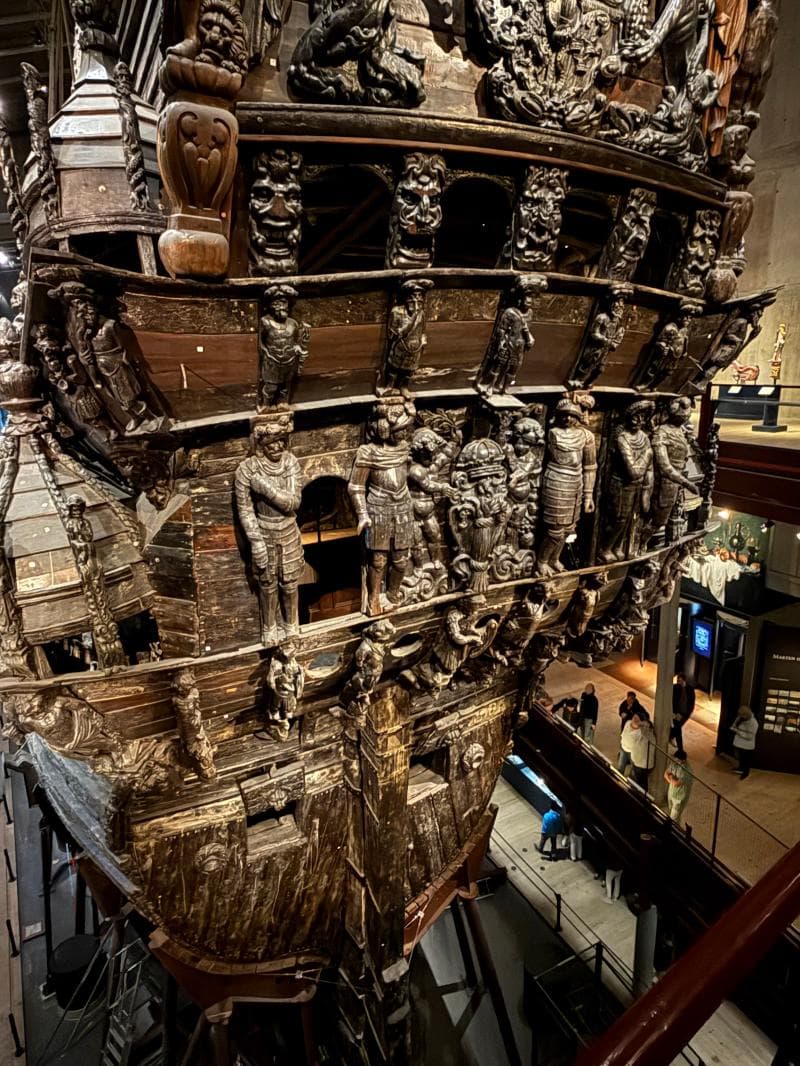
Explore the Artifact Rooms at the Vasa Museum in Stockholm, Sweden, uncovering thousands of 17th-century objects and personal stories from the ill-fated ship.
Overview
Stepping into the Vasa Museum in Stockholm, Sweden, offers a unique journey back to the 17th century. While the magnificent Vasa ship itself is the undeniable star, the museum's 'Artifact Rooms' — encompassing its extensive collections — provide an equally compelling and intimate glimpse into a bygone era. These dedicated spaces and integrated exhibitions showcase the thousands of objects retrieved from the seabed alongside the ship, each telling a silent story of life, ambition, and tragedy. Visitors are invited to explore over 40,000 objects that were meticulously recovered from and around the Vasa, creating an unparalleled archive of 17th-century Swedish maritime life.
History & Cultural Background
The story of the Vasa begins on its ill-fated maiden voyage on August 10, 1628, when the proud warship capsized and sank in Stockholm harbour, just moments after setting sail. For 333 years, the Vasa lay preserved in the cold, brackish waters of the Baltic Sea, a watery tomb that ironically protected its wooden structure and countless artifacts from wood-eating organisms. When the ship was finally salvaged in 1961, it was not just a naval vessel that emerged from the deep, but an entire time capsule. The subsequent archaeological excavation uncovered a wealth of everyday items, personal belongings, and ship’s equipment that paint a vivid picture of life during the reign of King Gustav II Adolf. These artifacts offer invaluable insights into shipbuilding techniques, naval warfare, and the social fabric of early 17th-century Sweden, providing context to the grand ambition and ultimate failure of the Vasa project.
What Makes It Special
What truly sets the Vasa Museum's artifact collection apart is the extraordinary state of preservation of its contents. Unlike typical archaeological finds that might be fragmented or deteriorated, many of the Vasa's artifacts are remarkably intact, offering an astonishing level of detail. These objects reveal the mundane and the magnificent: from the practical tools used by the crew to intricate carvings adorning the ship. The ‘Life on Board’ exhibition, for instance, specifically highlights historical artifacts that illustrate the daily routines and challenges faced by the ship's sailors. Visitors can examine weapons like muskets, pistols, swords, and cannons, alongside armor and other defensive equipment, demonstrating the harsh realities of naval warfare in the 17th century. The collection is not merely a display of relics; it is a meticulously preserved cross-section of society, frozen in time at the moment of disaster.
Stories, Fun Facts & Local Details
The artifacts whisper stories that bring the past to life. Imagine the carpenter's rule, a simple tool that once measured planks for the ship's construction, or the shoe lasts, hinting at the footwear of the crew. Amongst the thousands of items, personal effects like coins, buttons, and even animal bones provide intimate details about the individuals who sailed on the Vasa and the broader economic and culinary aspects of the time. A particularly fascinating aspect is the ship's elaborate sculptures. The 'Vasa Up Close' exhibition showcases reconstructions of these sculptures in their original vibrant colours. These carvings served as powerful propaganda, conveying messages about King Gustav II Adolf's power and vision, with figures from Greco-Roman mythology like Hercules and the nereids, as well as Old Testament characters like King David. Such details offer a rare look into the symbolism and artistic expressions prevalent in 17th-century Sweden, intended to inspire courage and reflect societal values. Many objects not currently on display are carefully stored, ensuring their preservation for future generations and research.
Visitor Perspective
Exploring the Artifact Rooms is an immersive experience that complements the awe-inspiring sight of the Vasa ship itself. As you move through the museum, the various exhibitions thoughtfully integrate these smaller objects, allowing you to connect with the human stories behind the grand vessel. The way the artifacts are presented, often with clear explanations and historical context, helps curious travellers understand what life was truly like in 17th-century Sweden. Visitors gain a sense of the meticulous effort involved in the salvage and preservation processes, which transformed a tragic shipwreck into an invaluable cultural treasure. It is a contemplative journey, inviting reflection on human endeavor, the fragility of grand projects, and the enduring power of historical discovery.
Coordinates: 18.09139, 59.32811
View on Google Maps💬 How Travelers Describe This Place
Based on community votes
Photogenic
446Unique
152Interesting
33Must See
30Beautiful
16
Traveler Stories
Discover memorable experiences shared by travelers who have visited this place.
No traveler stories yet.
Be the first traveler to share what made this place memorable.

Tour
By
Spot
Discover amazing places around the world. Your journey starts here.
Explore
© 2026 TourBySpot. All rights reserved.