Artifact Displays
Yerevan, Armenia
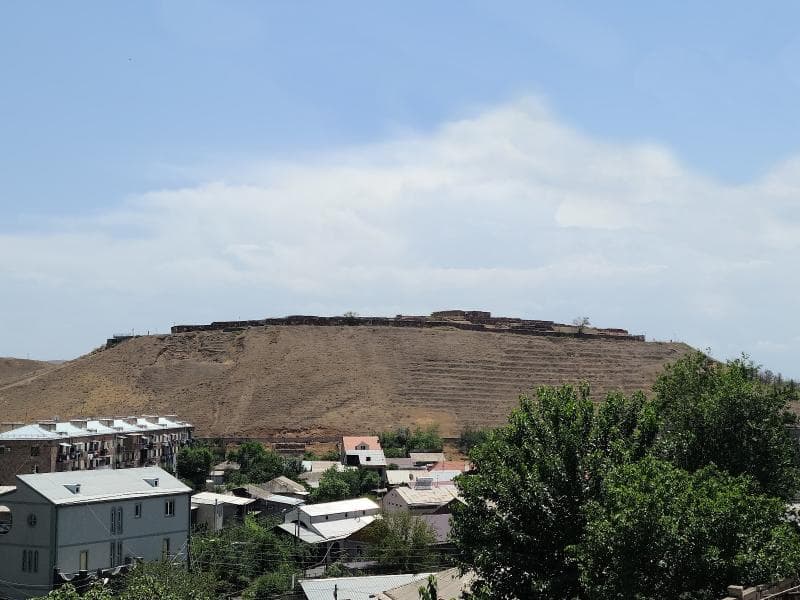
Explore ancient Urartian artifacts at Erebuni Fortress Museum in Yerevan, Armenia. Discover cuneiforms, pottery, bronze, and frescoes revealing millennia of history.
Overview
The Artifact Displays within the Erebuni Historical and Archaeological Museum-Reserve offer a captivating journey into the ancient Kingdom of Urartu and its lasting legacy in Armenia. Located at the foot of the historic Arin Berd hill in Yerevan, this dedicated museum is the custodian of thousands of archaeological treasures unearthed from the Erebuni Fortress itself and surrounding ancient sites. It provides invaluable insights into the daily life, sophisticated craftsmanship, and profound history of the civilizations that once thrived here, establishing the very foundations of modern-day Yerevan. Visiting these displays allows one to connect directly with the past, understanding the intricate layers of culture that have shaped this vibrant region for millennia.
History & Cultural Background
Erebuni Fortress, a magnificent Urartian fortified city, was founded in 782 BC by King Argishti I. It served as a critical military stronghold, a significant political, economic, and cultural hub protecting the northern borders of the vast Urartian Kingdom. The name of Armenia's capital, Yerevan, is proudly derived from this ancient city, underscoring its deep historical importance. Extensive archaeological excavations, which began in earnest in 1950, have continually unveiled the secrets of Erebuni, bringing to light a rich tapestry of artifacts. These findings span pre-Urartian, Urartian, Achaemenid, Hellenistic, and early Armenian periods, revealing the continuous human presence and cultural evolution in this strategic location. The Erebuni Historical and Archaeological Museum-Reserve was established in 1968, coinciding with Yerevan's 2750th anniversary, to preserve and showcase these extraordinary discoveries.
The museum itself stands as a testament to Urartian architecture, with its design thoughtfully echoing the grandeur of an ancient palace. This deliberate architectural choice ensures that the visitor's experience begins even before stepping inside, setting a tone of historical immersion. The artifacts housed within narrate a compelling story of a powerful civilization adept in various crafts and organized governance, whose influence extended across the ancient Near East.
What Makes It Special
The Artifact Displays at Erebuni are truly special due to their immense historical scope and the remarkable preservation of the items. The collection boasts an impressive array of over 12,000 to 20,000 archaeological objects, making it a pivotal center for Urartian studies. Among the most significant exhibits are the original cuneiform inscriptions, including the foundational decree of King Argishti I, which essentially serves as Yerevan's birth certificate. These tablets provide direct textual evidence of the city's origins and purpose. Beyond inscriptions, visitors can marvel at exquisite examples of Urartian craftsmanship.
- Ceramics and Pottery: Discover a vast collection of everyday vessels, intricate pottery, and colossal 'karasses'—large earthenware jars used for storing wine and grain, highlighting the advanced agrarian practices of the Urartians.
- Metallurgy: Witness the skill of ancient artisans through bronze bracelets, weapons like helmets and arrowheads, and intricate bronze deity icons. The rare silver rhytas, ceremonial drinking vessels, also speak to the luxury and artistic sophistication of the era.
- Frescoes and Murals: Fragments of vibrant wall paintings, depicting scenes of gods, sacred animals, and daily life such as hunting and agriculture, offer a rare glimpse into the aesthetic and religious beliefs of the Urartians. These provide a window into the rich inner world of the fortress's inhabitants.
- Ingenious Engineering: Exhibits include ancient stone water pipes, which demonstrate the Urartians' remarkable engineering capabilities in managing water resources, even transporting water from distant sources.
The ability of this museum to contextualize these artifacts within the preserved ruins of the fortress above adds a profound dimension to the experience, allowing visitors to walk through the very spaces where these objects were once used.
Stories, Fun Facts & Local Details
Imagine King Argishti I, in 782 BC, standing atop Arin Berd hill, overseeing the construction of Erebuni, a city destined to become the heart of a powerful kingdom and later the symbolic mother of Yerevan. The cuneiform inscription detailing its founding, proudly displayed in the museum, is more than just a historical record; it's a direct message from an ancient monarch, connecting us across nearly three millennia.
A fun fact often shared is that the Urartians were not only skilled warriors but also masters of winemaking, as evidenced by the massive 'karasses' found. These enormous wine jars underscore the centrality of viticulture to their economy and culture, a tradition that continues to thrive in Armenia today.
The discovery of fragments of murals depicting scenes like hunting and agricultural activities brings to life the everyday existence of Erebuni's inhabitants. It reminds us that behind the grand fortifications and powerful kings were people with daily routines, beliefs, and artistic expressions. The preservation of these vivid paintings is a testament to the advanced artistic techniques of the Urartian period.
Another fascinating detail is the inclusion of Khachkars, Armenian stone crosses, within the museum's collection. While not Urartian, their presence illustrates the historical transition from the ancient Urartian paganism to the adoption of Christianity in Armenia, highlighting the evolving cultural identity of the region.
Visitor Perspective
For any curious traveler, the Artifact Displays at Erebuni offer an incredibly enriching experience. It's a place where history isn't just read but felt through the tangible remnants of an ancient civilization. Walking through the museum, one can appreciate the meticulous work of archaeologists who painstakingly unearthed these treasures, piece by piece, to reconstruct the past. The scale of the collection, from the delicate bronze jewelry to the imposing wine vessels, paints a vivid picture of Urartian life and luxury.
The museum serves as the perfect prelude to exploring the actual fortress ruins just outside. Understanding the artifacts first helps in visualizing the grandeur of the fortress as you walk among its ancient walls. It transforms crumbling stones into once-thriving palaces, temples, and bustling courtyards. The panoramic views of Yerevan and Mount Ararat from the fortress add another layer of appreciation, offering the same breathtaking vista that Urartian kings once surveyed. It's an immersive historical journey, offering profound respect for the enduring heritage of Armenia.
Coordinates: 44.537257, 40.136771
View on Google Maps💬 How Travelers Describe This Place
Based on community votes
Interesting
817Photogenic
711Must See
657Beautiful
299Unique
19
Traveler Stories
Discover memorable experiences shared by travelers who have visited this place.
No traveler stories yet.
Be the first traveler to share what made this place memorable.

Tour
By
Spot
Discover amazing places around the world. Your journey starts here.
Explore
© 2026 TourBySpot. All rights reserved.