Art Installations
Tirana, Albania
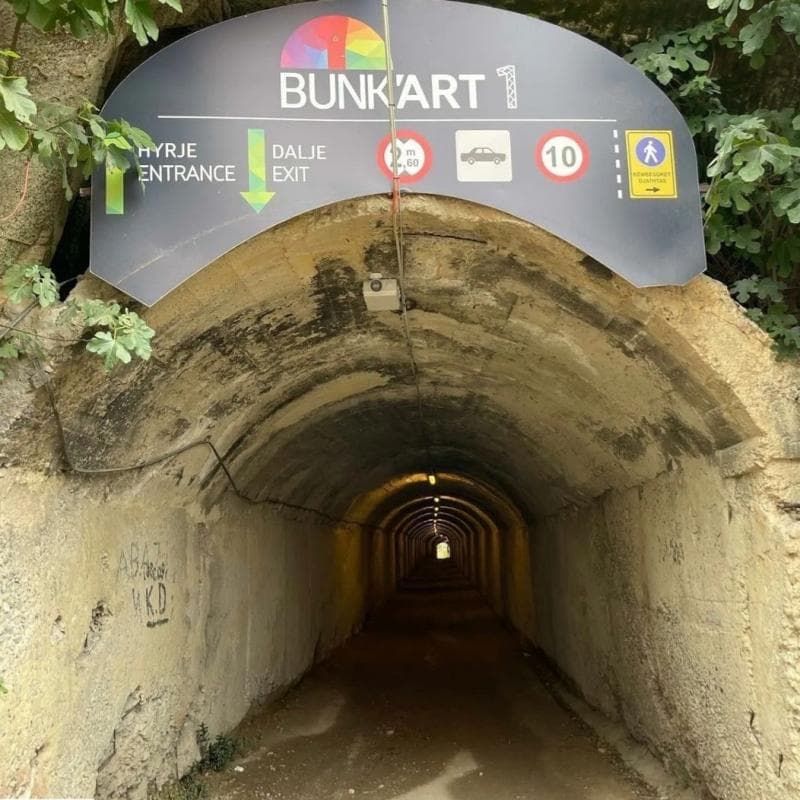
Discover the unique Art Installations within Bunk'Art 1 in Tirana, Albania. Explore a Cold War bunker transformed into a powerful history and contemporary art museum.
Overview
Deep within the eastern hills of Tirana, Albania, lies Bunk'Art 1, a colossal anti-nuclear bunker from the Cold War era, now transformed into a unique historical and contemporary art museum. It serves as a powerful testament to Albania's isolationist past and its journey towards openness. More than just a museum, Bunk'Art 1 is an immersive experience where the chilling reality of a former dictatorship converges with thought-provoking art installations. Visitors navigate five underground floors and over 100 rooms, experiencing both meticulously preserved historical exhibits and modern artistic expressions that breathe new life into the bunker's concrete chambers.
This impressive structure, once a top-secret hideout for Albania's communist elite, now invites the public to explore its vast, eerie corridors. The art installations within Bunk'Art 1 are not merely decorative; they interact directly with the bunker's somber atmosphere and historical context, offering fresh perspectives on a difficult past.
History & Cultural Background
Bunk'Art 1's origins trace back to the 1970s, a period when Albania's communist dictator, Enver Hoxha, ordered the construction of hundreds of thousands of bunkers across the country. This particular bunker, known by the code 'Objekti Shtylla', was designed as the ultimate refuge for Hoxha and his inner circle in the event of a nuclear attack or foreign invasion. Its construction was a monumental undertaking, featuring advanced technology for maximum protection, reflecting the extreme paranoia and isolationist policies of the regime.
For decades, the bunker remained a secret, a symbol of a nation living in constant fear. After the fall of communism, the vast subterranean complex lay dormant until 2014, when it was temporarily opened to the public, eventually becoming a permanent museum and art center in 2016. The Bunk'Art project, supported by the Albanian NGO 'Qendra Ura', aimed to repurpose these dark relics, transforming them into educational spaces that confront and interpret Albania's 20th-century history.
What Makes It Special
What sets the art installations in Bunk'Art 1 apart is their symbiotic relationship with the historical environment. Unlike traditional galleries, the art here is intrinsically linked to the oppressive architecture and the stories embedded within the bunker's walls. As you traverse the immense space, moving through blast doors and former command rooms, you encounter contemporary art that serves as a commentary, a reflection, or an emotional response to the historical narrative.
The sheer scale of Bunk'Art 1 – with its 106 rooms spread across five underground levels – provides an unparalleled backdrop for these artistic interventions. Some installations use multimedia to deepen the storytelling, while others might involve soundscapes, sculptural elements, or reflective surfaces that distort and challenge perceptions of the past. This blending of historical artifacts with modern art creates a multi-layered experience, allowing visitors to engage with Albania's complex history on both an intellectual and emotional level.
Stories, Fun Facts & Local Details
One of the intriguing ironies of Bunk'Art 1 is that dictator Enver Hoxha, for whom the luxurious private suite within the bunker was prepared, never actually used it. Despite the meticulous planning and enormous resources poured into its construction, the feared invasion and nuclear war never materialized, leaving the bunker untouched by its intended purpose. The suite, including his office, bedroom, and bathroom, stands preserved, a stark reminder of the regime's deluded grandeur.
The art installations sometimes incorporate elements directly from this period. For example, visitors might encounter a room with mirrored walls covered in war-related text, a reconstructed classroom from the communist era, or a sound installation designed to evoke the bunker's past, such as the one in the 'War Echo' room. These thoughtful details aim to connect the abstract historical facts with tangible, sensory experiences, making the stories more resonant for contemporary audiences. The assembly hall, originally designed for high-level government meetings, now occasionally hosts art events and concerts, transforming a space of paranoia into one of cultural expression.
Visitor Perspective
Stepping into Bunk'Art 1 is often described as stepping back in time, an intensely atmospheric journey into the heart of the Cold War. The transition from the sunny Tirana outside to the cool, subterranean depths of the bunker is immediate and palpable. Many visitors note a significant temperature drop and a distinct, almost musty, scent in the air, enhancing the feeling of entering a forgotten world.
The narrow, seemingly endless concrete corridors and the heavy blast doors create a sense of confinement and unease, perfectly setting the stage for the historical narratives and art installations. Comfortable shoes are a must, as exploring the vast labyrinthine complex takes at least 1.5 to 2 hours, if not more, to fully absorb the numerous exhibits and artistic displays. Visitors are often advised to bring a jacket, even on warm days, due to the constant cool temperature within the bunker. This unique environment makes Bunk'Art 1 not just a visual experience, but a deeply sensory and reflective one, leaving a lasting impression on those who venture inside.
Coordinates: 19.862778, 41.350278
View on Google Maps💬 How Travelers Describe This Place
Based on community votes
Interesting
853Must See
667Unique
190Photogenic
93Beautiful
32
Traveler Stories
Discover memorable experiences shared by travelers who have visited this place.
No traveler stories yet.
Be the first traveler to share what made this place memorable.

Tour
By
Spot
Discover amazing places around the world. Your journey starts here.
Explore
© 2026 TourBySpot. All rights reserved.