Armory Rooms
Rome, Italy
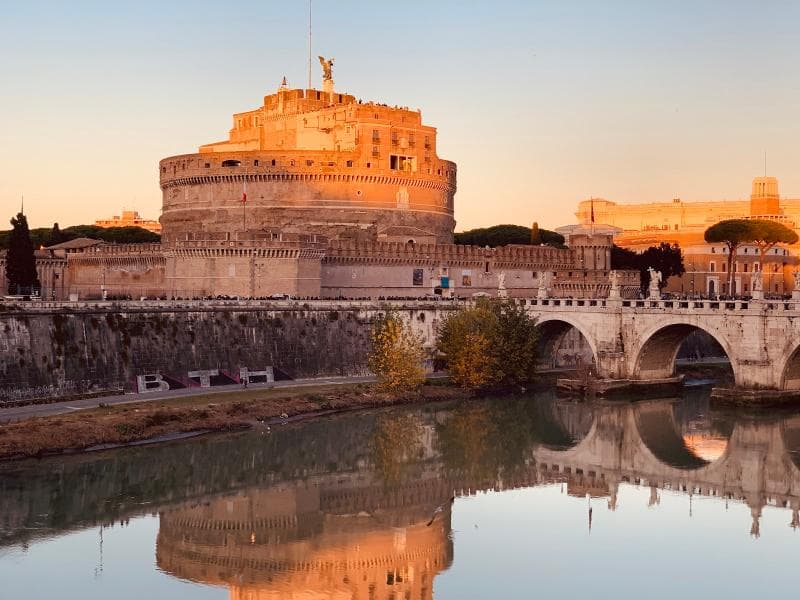
Explore the Armory Rooms inside Rome's Castel Sant'Angelo, showcasing centuries of historical weapons and military artifacts in Italy.
Overview
Deep within the storied walls of Castel Sant'Angelo in Rome, Italy, lies a captivating area known as the Armory Rooms. This dedicated section of the museum offers a fascinating journey through centuries of military history, showcasing a rich collection of weapons, armor, and strategic artifacts. It's a place where the castle's transformation from imperial mausoleum to formidable fortress truly comes alive. The Armory Rooms provide a unique insight into the defense mechanisms and martial prowess that protected popes and Romans throughout various tumultuous periods.
Visitors to Castel Sant'Angelo can explore this comprehensive display, which includes everything from ancient blades to early firearms. The collection is housed across several spaces, including the Upper Armoury, which comprises four interconnected rooms. The exhibits are thoughtfully curated to illustrate the castle's significant role as a military stronghold and papal refuge, offering a perspective on Roman history that often gets overshadowed by its artistic and architectural wonders.
History & Cultural Background
Castel Sant'Angelo itself boasts an extraordinary history, beginning its life as Emperor Hadrian's mausoleum in 139 AD. Over nearly two millennia, it has continually adapted, serving as a military fortification, a papal residence, a state prison, and finally, a national museum since 1906. The Armory Rooms are intrinsically linked to this defensive evolution, gathering the material evidence of its centuries as a bastion.
The concept of an armory within the castle dates back to its early days as a museum, where military collections were a central feature. The first director of the museum, General Mariano Borgatti, played a crucial role in expanding these collections, recognizing the importance of preserving the castle's martial legacy. The artifacts within the Armory reflect the numerous conflicts and sieges Castel Sant'Angelo endured, from the Visigoth looters of 410 AD to the later struggles for papal power and Italian unification.
What Makes It Special
The Armory Rooms stand out because they offer a deep dive into military history, a subject often less emphasized in other major Roman museums. It's not merely a static display of weapons; it's a tangible connection to the lives of soldiers, guards, and popes who sought refuge and power within these walls. The sheer variety of items, from swords and daggers to maceheads, helmets, and early handguns, paints a vivid picture of changing warfare technology and defensive strategies through the ages.
Recently, a dedicated exhibition named 'Panopliæ: Weapons, Ingenuity, and Power at Castel Sant'Angelo' further highlighted the significance of these collections. This initiative aimed to return weapons to the historic Armory spaces, re-establishing the powerful link between the artifacts and the monumental setting that once housed them, making previously stored items accessible to the public.
Stories, Fun Facts & Local Details
Imagine the clanking of armor and the gleam of polished steel that once filled these rooms as guards prepared for battle or popes surveyed their defensive capabilities. One fun detail often overlooked is the meticulous craftsmanship evident in many of the older weapons and armor, showcasing not just utility but also artistry. Some pieces feature intricate designs, reflecting the aesthetic values of their time.
The Armory also includes reconstructed elements, such as a 16th-century guardroom, giving visitors a more immersive experience of what life within the fortress might have been like. These details help humanize the vast history, turning abstract dates and events into relatable stories of ingenuity and survival. The collection serves as a silent witness to the castle's dual nature: a place of sacred interment turned into an unyielding shield for the spiritual and temporal power of Rome.
Visitor Perspective
Stepping into the Armory Rooms provides a tangible sense of the past. As you navigate the interconnected spaces, you'll encounter a diverse array of artifacts, each with its own story. The careful arrangement allows for an engaging exploration, revealing the ingenuity and power associated with the weapons. You can observe the evolution of military technology, from early medieval armaments to more sophisticated Renaissance pieces, offering a different lens through which to understand Rome's complex history. The collection invites contemplation on the castle's role as both a formidable defense and a symbol of authority, making it a compelling stop for any curious traveler within Castel Sant'Angelo.
Coordinates: 12.466276, 41.9030632
View on Google Maps💬 How Travelers Describe This Place
Based on community votes
Unique
995Photogenic
839Beautiful
603Must See
581Interesting
388
Traveler Stories
Discover memorable experiences shared by travelers who have visited this place.
No traveler stories yet.
Be the first traveler to share what made this place memorable.

Tour
By
Spot
Discover amazing places around the world. Your journey starts here.
Explore
© 2026 TourBySpot. All rights reserved.