Arena Floor
Rome, Italy
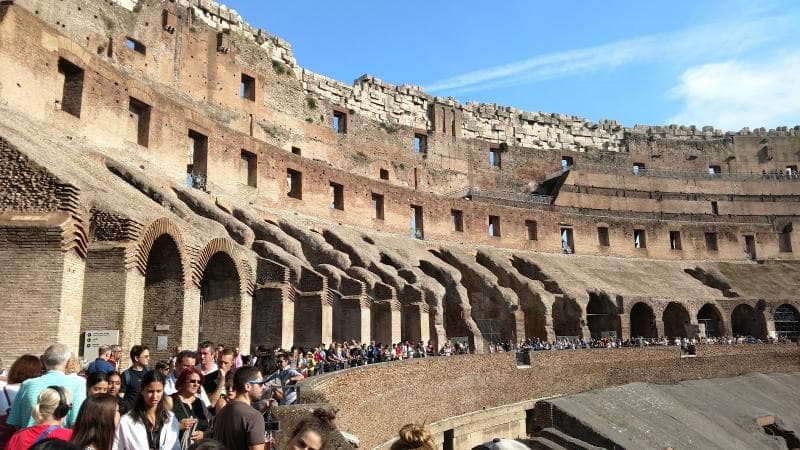
Experience the Colosseum's Arena Floor in Rome, Italy. Walk where gladiators fought, explore ancient history, and discover fascinating facts about this iconic landmark.
Overview
Stepping onto the Arena Floor of the Colosseum in Rome, Italy, offers an unparalleled journey back in time, placing you right at the heart of where ancient spectacles unfolded. This iconic oval space, measuring approximately 83 meters long by 48 meters wide, was the vibrant stage for gladiatorial contests, wild animal hunts, and public executions that captivated Roman society. The name 'arena' itself derives from the Latin word 'harena,' meaning sand, a crucial component that covered the wooden floor. This sand served a practical, if gruesome, purpose: it soaked up blood and other bodily fluids, while also providing better traction for the combatants.
Today, a reconstructed section of the Arena Floor allows visitors to walk in the footsteps of gladiators and emperors, offering a unique and immersive perspective of the Colosseum's interior. This partial reconstruction provides a tangible sense of the amphitheater's original layout and scale, enabling a deeper connection to its storied past.
History & Cultural Background
The mighty Colosseum, also known as the Flavian Amphitheater, saw its construction begin under Emperor Vespasian around 70-72 AD and was completed by his son, Titus, in 80 AD, with further modifications by Emperor Domitian. Initially, the arena was a simple, flat area. However, under Domitian's reign, a sophisticated underground complex, known as the 'hypogeum,' was excavated beneath the Arena Floor.
This hypogeum was a marvel of Roman engineering, a two-level network of tunnels, chambers, and animal cages. It featured intricate systems of ramps, pulleys, and eighty vertical shafts with trapdoors in the wooden arena floor, allowing animals, gladiators, and elaborate scenery to emerge dramatically onto the stage as if by magic. This ingenious setup created astounding special effects for the eagerly watching crowds. The original wooden floor, which once facilitated these spectacles, was eventually removed in the 6th century, marking the end of the grand gladiatorial games.
What Makes It Special
The unique allure of the Arena Floor lies in its ability to transport you directly into the ancient world. Standing on this reconstructed platform provides a perspective that is inaccessible from the upper tiers, offering an intimate, visceral understanding of the scale and grandeur of the events that once transpired here. It's a chance to truly feel the weight of history, imagining the roar of the crowd and the clash of steel.
From the Arena Floor, you gain an unobstructed 360-degree view of the colossal elliptical structure, allowing you to appreciate the architectural genius of the Romans. Furthermore, you can look down into the exposed ruins of the hypogeum, clearly seeing the labyrinthine passages where animals and gladiators awaited their entrance. This visual connection between the performance space and its hidden machinery is a powerful reminder of the sophisticated logistics behind the ancient games.
Stories, Fun Facts & Local Details
Beyond the brutal contests, the Arena Floor was a stage for incredible theatricality. Elaborate scenery could be erected to transform the arena into different landscapes, such as forests for 'venationes' or wild animal hunts. These sets also cleverly concealed the trapdoors through which animals and fighters would suddenly appear, adding to the spectacle.
Roman emperors, known for their elaborate entertainment, sometimes indulged in mischievous antics. It's said that emperors might use the hypogeum's trapdoor system to surprise gladiators by releasing less-than-ferocious animals, like chickens, much to the amusement of the crowd. The Colosseum also had distinct entrances and exits. The 'Porta Triumphalis,' or Gate of Triumph, was reserved for victorious gladiators exiting to the cheers of the masses, while another gate was used for removing the fallen. Public executions, often masked as re-enactments of Roman myths, also occurred here, blurring the lines between punishment and entertainment.
Visitor Perspective
Visiting the Colosseum's Arena Floor today is a profoundly moving experience that offers a deeper connection to ancient Rome. Access is typically granted through specific 'Full Experience' tickets or guided tours, often allowing entry via the 'Gladiator's Gate' – a privilege that bypasses general admission queues and leads you directly onto the historical stage.
This exclusive access provides a quieter, more personal encounter with the monument, far from the busiest walkways. Standing where gladiators once fought allows for a unique perspective on the sheer scale of the Colosseum and its intricate design. It is highly recommended to book these tickets or tours well in advance due to their popularity and limited availability, ensuring you don't miss the chance to immerse yourself in the heart of this ancient marvel.
Coordinates: 12.4922, 41.8902
View on Google Maps💬 How Travelers Describe This Place
Based on community votes
Interesting
443Must See
414Unique
310Beautiful
277Photogenic
233
Traveler Stories
Discover memorable experiences shared by travelers who have visited this place.
No traveler stories yet.
Be the first traveler to share what made this place memorable.

Tour
By
Spot
Discover amazing places around the world. Your journey starts here.
Explore
© 2026 TourBySpot. All rights reserved.