Archaeology Museum
Graz, Austria
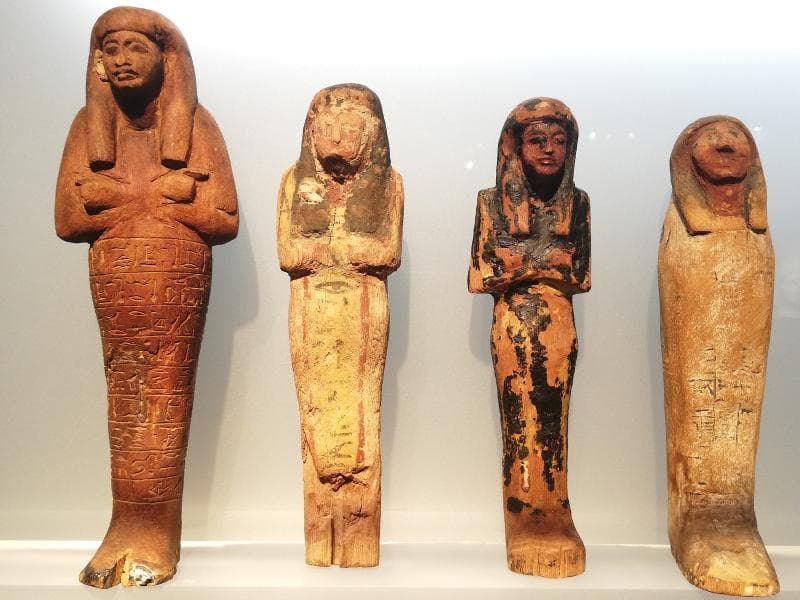
Explore the Archaeology Museum at Eggenberg Palace in Graz, Austria, home to over 1,200 artifacts, including the Strettweg Cult Wagon, from prehistoric to Roman times.
Overview
Deep within the historic grounds of Eggenberg Palace in Graz, Austria, lies the Archaeology Museum, a modern marvel ingeniously designed to house ancient treasures. This subterranean exhibition space, an integral part of the Universalmuseum Joanneum, offers a profound journey through time, showcasing over 1,200 artifacts that illuminate human existence from prehistoric eras to classical antiquity. Conceived as an underground extension, the museum seamlessly blends contemporary architecture with the palace's Baroque grandeur, providing a tranquil and thought-provoking environment for its invaluable collection.
The museum's thoughtful design means it remains largely invisible from the surface, preserving the aesthetic integrity of the 17th-century palace and its magnificent gardens. Visitors descend into a world where ancient Styrian history, alongside objects from the Ancient Near East and Egypt, tells universal stories of life, belief, and power.
History & Cultural Background
The roots of the Archaeology Museum are deeply intertwined with the Universalmuseum Joanneum, Austria's oldest museum, founded by Archduke Johann in 1811. Initially, archaeological finds from Styria were mandated to be sent to Vienna, hindering the growth of local collections. However, a relaxation of this regulation in 1846 allowed the Joanneum to actively expand its archaeological holdings, particularly focusing on the Hallstatt period and Roman imperial era in the region. This rich legacy of collecting and research forms the bedrock of the museum's current displays.
The current state-of-the-art Archaeology Museum, completed in 2009, represents a significant evolution in presenting these historical narratives. It is an extension of the palace's existing Lapidarium, a collection of Roman stonework that has long been a part of Eggenberg. This historical context underscores the deep commitment to preserving and understanding Styria's rich past.
What Makes It Special
What sets the Archaeology Museum apart is not only its remarkable collection but also its innovative architectural approach. Designed by BWM Architects, the museum's main exhibition hall was placed entirely underground to protect the visual harmony of the UNESCO World Heritage site above. This subterranean setting, featuring a two-aisled hall and a central skylight, creates an immersive experience where light subtly guides visitors through the exhibits.
Among its most celebrated pieces are world-class objects from the Hallstatt period, such as the enigmatic Cult Wagon of Strettweg and the distinctive Mask of Kleinklein. These artifacts, alongside the precious silver cup from Grünau – Styria's most valuable Roman find – offer tangible links to ancient civilizations and their complex societal structures. The museum also integrates the Lapidarium, showcasing significant Roman reliefs and inscriptions, including rare mosaic floors and nearly a hundred selected Roman stone artifacts, providing a comprehensive view of life in the Roman province of Noricum.
Stories, Fun Facts & Local Details
Imagine stumbling upon a 2,700-year-old ceremonial wagon, intricately crafted to represent a cult procession. The Strettweg Cult Wagon, a key highlight, was discovered in a princely grave from the early Iron Age (Hallstatt culture). This extraordinary bronze artifact, depicting human figures and animals, offers a rare glimpse into the spiritual beliefs and rituals of a powerful prehistoric society in Styria. Its presence here connects visitors directly to the region's ancient inhabitants and their worldview.
The museum's modern design, with its reserved grey concrete walls and highly transparent, backlit glass showcases, provides a calm backdrop that allows the ancient objects to speak for themselves. This deliberate minimalism ensures that the focus remains entirely on the 'traces of life' these artifacts represent. The museum aims to explore universal themes that have moved people for millennia, making the past surprisingly relatable to contemporary questions about human existence.
Visitor Perspective
Visiting the Archaeology Museum is an experience that transcends a typical museum visit. As you descend into the quietly illuminated space, you are invited into a dialogue with the past. The thoughtful arrangement of the over 1,200 objects encourages contemplation, prompting visitors to ponder not just 'what' these items are, but 'why' they were created and what they reveal about humanity's enduring questions. The museum provides audioguides and tactile elements for a more inclusive experience.
The seamless integration with the historic palace gardens means that after immersing yourself in ancient history, you can emerge into the vibrant beauty of the Baroque park. This juxtaposition of ancient and Baroque, underground and open air, offers a truly unique and enriching cultural experience in Graz. It's a place where history feels alive, not merely preserved behind glass, and where every artifact tells a story waiting to be discovered.
Coordinates: 15.39129, 47.07389
View on Google Maps💬 How Travelers Describe This Place
Based on community votes
Unique
551Beautiful
547Must See
336Interesting
298Photogenic
212
Traveler Stories
Discover memorable experiences shared by travelers who have visited this place.
No traveler stories yet.
Be the first traveler to share what made this place memorable.

Tour
By
Spot
Discover amazing places around the world. Your journey starts here.
Explore
© 2026 TourBySpot. All rights reserved.