Archaeology Gallery
Jakarta, Indonesia
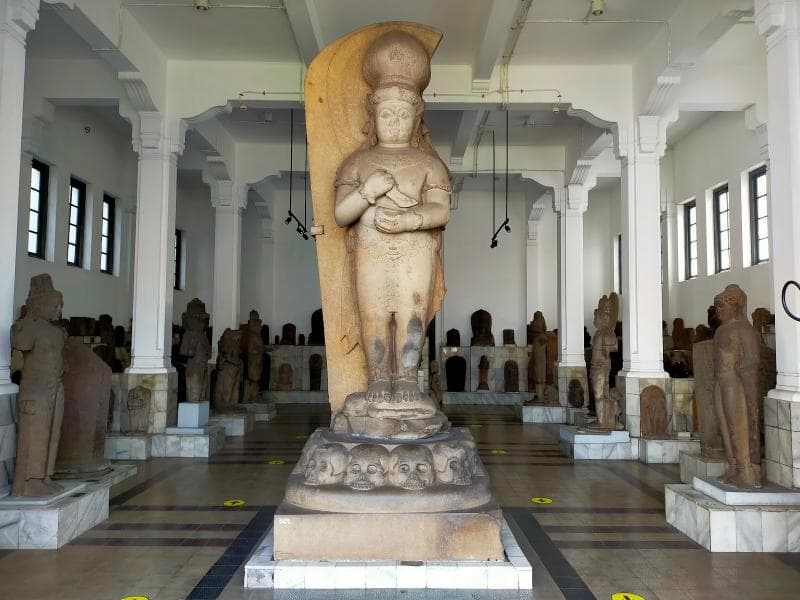
Explore the Archaeology Gallery at the National Museum of Indonesia in Jakarta. Discover ancient artifacts, Hindu-Buddhist sculptures, and prehistoric treasures, unveiling Indonesia's rich heritage.
Overview
The National Museum of Indonesia, affectionately known as Museum Nasional Indonesia, stands proudly in Central Jakarta, a vital landmark near the iconic Merdeka Square. It is often referred to by locals as the 'Elephant Museum' or 'Museum Gajah,' a charming moniker inspired by the bronze elephant statue gracing its forecourt, a diplomatic gift from King Chulalongkorn of Siam in 1871. Established in 1778, this venerable institution holds the distinction of being one of Southeast Asia's oldest and most significant museums, serving as a comprehensive repository of Indonesia's rich past. Within its expansive walls, the museum houses an astounding collection, reportedly ranging from over 140,000 to nearly 195,000 artifacts, meticulously categorized across various disciplines including archaeology, ethnography, history, numismatics, and ceramics. The Archaeology Gallery forms a cornerstone of this vast collection, inviting visitors to embark on a profound journey through the archipelago's ancient civilizations. Housed partly within the original Gedung Gajah wing and the newer Gedung Arca, opened in 2007, the archaeological exhibits unveil stories from prehistoric times to the grandeur of classical Hindu-Buddhist kingdoms.
History & Cultural Background
The origins of the National Museum of Indonesia trace back to 1778, when it was founded by the Dutch East Indies government as the 'Bataviaasch Genootschap van Kunsten en Wetenschappen' – the Batavian Society of Arts and Sciences. Its foundational mission was to foster research and to showcase the diverse cultural heritage of the Indonesian archipelago. Over centuries, the museum has diligently accumulated artifacts that chronicle Indonesia's extensive archaeological narrative, from the earliest human settlements to the flourishing of complex societal structures. The Archaeology Gallery, in particular, offers a tangible timeline, presenting relics that unveil the profound influences of indigenous beliefs, animism, and later, the sophisticated Hindu-Buddhist and Islamic kingdoms that shaped the region. It showcases how different periods left indelible marks on the land, evident in the intricate stonework, ancient tools, and ritual objects. The gallery provides context for understanding Indonesia's unique cultural tapestry, which is a fusion of local traditions and millennia of external interactions.
What Makes It Special
What truly distinguishes the Archaeology Gallery at the National Museum of Indonesia is its unparalleled collection, positioning it among the finest and most complete of its kind in Southeast Asia. Visitors are captivated by a remarkable array of Hindu-Buddhist artifacts, featuring majestic stone statues of deities such as Shiva, Vishnu, and Durga, alongside serene Buddhist figures like Bodhisattvas and the iconic Prajnaparamita. The Prajnaparamita, often referred to as the 'Goddess of Transcendent Wisdom,' is considered a masterpiece of ancient Javanese art, exuding a profound spiritual presence. Another awe-inspiring exhibit is the towering Bhairawa statue, believed to be a representation of King Adityawarman, showcasing the powerful artistic expressions of ancient Sumatra. Beyond these grand sculptures, the gallery also presents fascinating prehistoric findings, including evidence of early human life like Homo Wajakensis and the so-called 'Flores Man,' alongside significant megalithic structures such as dolmens and sarcophagi that speak to the ancestral veneration of ancient societies. The collection further boasts ancient gold and precious relics, notably the spectacular Wonoboyo Hoard, a treasure trove of gold and silver artifacts from the 9th-century Mataram Kingdom.
Stories, Fun Facts & Local Details
Beyond its impressive collection, the Archaeology Gallery at the National Museum of Indonesia is filled with stories that bring the past to life. Consider the famous bronze elephant statue that gives the museum its popular nickname, 'Museum Gajah.' This isn't just a decorative piece; it was a significant diplomatic gift from King Chulalongkorn of Siam (modern-day Thailand) in 1871, symbolizing enduring international relations. Delve deeper into the gallery, and you'll encounter the exquisite Prajnaparamita statue. This elegant figure is more than just a sculpture; it is often cited as the pinnacle of classical Javanese Buddhist art, its serene expression embodying centuries of spiritual devotion and artistic refinement. A particularly compelling narrative unfolds around the Wonoboyo Hoard. Discovered accidentally by a farmer in 1990 near Prambanan, this incredible find included 35 kilograms of gold and silver artifacts, offering an unprecedented glimpse into the wealth and sophisticated craftsmanship of the Mataram Kingdom from the 9th century. These pieces tell not just of kings and deities, but also of the daily lives, beliefs, and artistic prowess of ancient Indonesians, transforming abstract history into tangible human experiences. The museum truly acts as a 'living textbook,' where each artifact breathes life into stories etched in stone and passed down through generations.
Visitor Perspective
For the curious traveler, visiting the Archaeology Gallery within the National Museum of Indonesia offers a uniquely enriching experience. Strategically located near Merdeka Square in Central Jakarta, the museum is easily accessible via various public transportation options, including TransJakarta buses and the KRL Commuter Line. The museum strives for visitor comfort, providing modern exhibition halls, a library, a souvenir shop, and even a café and prayer room. To enhance understanding, free guided tours in English and other foreign languages are often available, offering deeper insights into the exhibits. It's worth noting that the museum experienced a fire in some areas in September 2023. However, it has since reopened with significant updates and more interactive exhibits, demonstrating its commitment to preserving and educating about Indonesia's cultural heritage. While a full renovation may continue until 2026, visitors can still explore much of its collection. For a more serene and unhurried exploration, visiting on a weekday is often recommended, allowing ample time to absorb the profound stories and beauty of ancient Indonesian archaeology.
Coordinates: 106.8217, -6.1761
View on Google Maps💬 How Travelers Describe This Place
Based on community votes
Photogenic
872Interesting
846Must See
201Beautiful
121Unique
87
Traveler Stories
Discover memorable experiences shared by travelers who have visited this place.
No traveler stories yet.
Be the first traveler to share what made this place memorable.

Tour
By
Spot
Discover amazing places around the world. Your journey starts here.
Explore
© 2026 TourBySpot. All rights reserved.