Archaeological Excavations
Skopje, North Macedonia
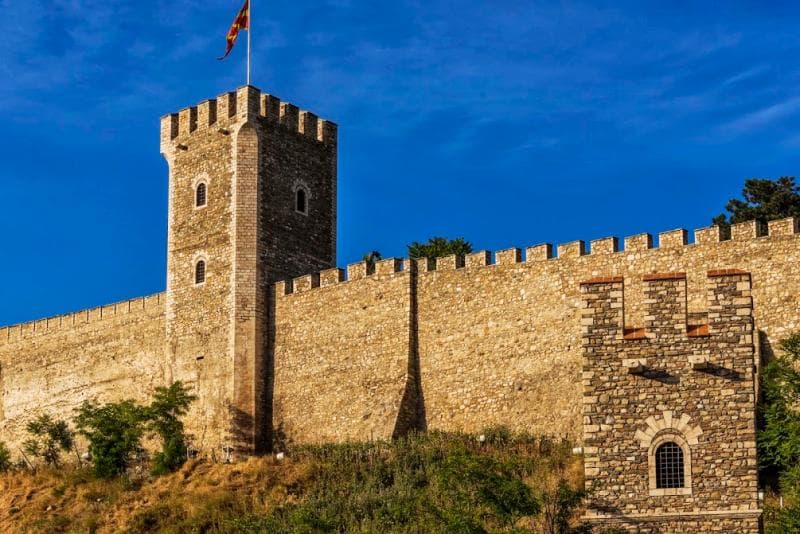
Unearth 6,000 years of history at the Archaeological Excavations within Skopje Fortress, North Macedonia. Discover ancient layers and stunning city views.
Overview
Perched majestically above the vibrant city of Skopje, North Macedonia, the Skopje Fortress, affectionately known as Kale (from the Turkish word for fortress), stands as a powerful testament to millennia of human history. This iconic landmark, a symbol so profound it's featured on Skopje's coat of arms and flag, offers more than just breathtaking panoramic views of the Vardar River and the sprawling cityscape. It is an active archaeological zone, where layers of civilizations have been unearthed, telling a continuous story that spans over 6,000 years. While parts of the fortress are open for visitors to explore its ancient walls and enjoy its strategic vantage points, it's the archaeological excavations that truly reveal the deep historical roots of this crucial Balkan site. Admission to the fortress grounds is free, inviting curious travelers to step back in time and witness the ongoing efforts to uncover its secrets.
History & Cultural Background
The story of Skopje Fortress begins long before any stone walls were conceived, with evidence of human settlement dating back to the Eneolithic Age, around the 4th to 5th millennium BC. Subsequent layers reveal continuous occupation through the Bronze and Iron Ages, indicating the enduring strategic importance of this elevated ridge.
The first significant stone structures of the fortress we see today were erected in the 6th century AD under the Byzantine Emperor Justinian I. Intriguingly, builders repurposed materials, including yellow limestone and travertine, from the nearby Roman city of Skupi, which had been devastated by an earthquake in 518 AD. Fragments of Roman buildings and Latin-inscribed stone slabs are still visibly embedded within these early Byzantine walls.
Throughout the centuries, the fortress underwent numerous expansions and reconstructions as it changed hands among powerful empires including the Byzantines, Bulgarians, Serbians, and Ottomans. Each era left its indelible mark, shaping the fortress into a complex palimpsest of architectural styles and defensive strategies. During the Ottoman period, Kale served various functions, including a military garrison, a warehouse, and even a prison. Major earthquakes, notably in 1555 and 1963, caused significant damage, leading to subsequent restoration and archaeological investigations. Systematic archaeological excavations, particularly extensive between 2007 and 2012, meticulously explored approximately 90% of the fortress's interior, uncovering cultural layers up to 8 meters deep that chronicle its layered past.
What Makes It Special
The Archaeological Excavations at Skopje Fortress are special because they offer a rare glimpse into over six millennia of uninterrupted human presence. This site is a living museum, where the very ground beneath your feet holds the stories of countless generations. One of the most remarkable discoveries during recent excavations was a significant Byzantine coin cache in 2010, heralded as the largest of its kind found in North Macedonia. This find, alongside the unearthed remains of a 13th-century church, provides invaluable insights into the daily life, economic activities, and religious practices of the fortress's inhabitants through various epochs.
Beyond grand structures, the excavations have revealed smaller, yet equally fascinating, details of past civilizations. Evidence of sophisticated metallurgical activities and ceramic ware manufacturing, including kilns, speaks to the advanced craftsmanship and economy that once thrived within these walls. The visible reuse of Roman-era stones within the Byzantine foundations offers a tangible connection to the ancient city of Skupi, highlighting the continuity of settlement and the resourceful nature of its builders. Kale is not merely a ruin; it is a meticulously uncovered narrative of civilization's ebb and flow in the heart of the Balkans.
Stories, Fun Facts & Local Details
The Skopje Fortress is steeped in local lore and fascinating historical anecdotes. It is said that the very name of the city, Skopje, might derive from an old legend tied to the fortress. During an ancient attack, a command of 'со копја' (meaning 'with spears') was repeatedly given, which some believe evolved into the city's modern name. Another enchanting tale weaves a narrative around the fortress and the iconic Stone Bridge, connecting them to giants, a fairy maiden, and a monumental labor of love involved in the bridge's construction.
Historically, the fortress holds a significant place in medieval Balkan history; it was within these very walls that Serbian King Stefan Dušan was crowned Emperor in 1346, during a period when Skopje served as his imperial capital. While today it is recognized as a serious archaeological site, it also maintains a role as a beloved recreational area for locals, often used for picnics and leisurely strolls, embodying a blend of deep historical reverence and everyday life. The management of the site came under the purview of the Archaeology and History Museum in 1951, underlining its importance as a national heritage treasure.
Visitor Perspective
Visiting the archaeological excavations within Skopje Fortress is an experience that blends historical discovery with breathtaking views. As a visitor, you are encouraged to wander through the expansive grounds, where you can observe the remnants of various historical periods, including the foundations of Ottoman-era structures and, depending on the timing, even ongoing archaeological work. The lack of extensive interpretive signage currently allows for a more contemplative and self-guided exploration, though plans for mini-museums to house and display the numerous finds are underway.
The fortress is renowned for offering unparalleled panoramic views of Skopje and the surrounding landscape, especially captivating at sunset. It provides a peaceful retreat from the bustling city below, often free from large crowds, making it an ideal spot for photography and quiet reflection. While some areas might feel rugged due to ongoing preservation efforts, this contributes to the authentic feeling of exploring an ancient site. The opportunity to walk among walls that have witnessed millennia of history, combined with the stunning vistas, makes the archaeological excavations at Kale an enriching and memorable stop for any curious traveler to North Macedonia.
Coordinates: 21.43353, 42.0008
View on Google Maps💬 How Travelers Describe This Place
Based on community votes
Must See
684Beautiful
363Photogenic
302Unique
250Interesting
88
Traveler Stories
Discover memorable experiences shared by travelers who have visited this place.
No traveler stories yet.
Be the first traveler to share what made this place memorable.

Tour
By
Spot
Discover amazing places around the world. Your journey starts here.
Explore
© 2026 TourBySpot. All rights reserved.