Arcaded Passages
Vilnius, Lithuania
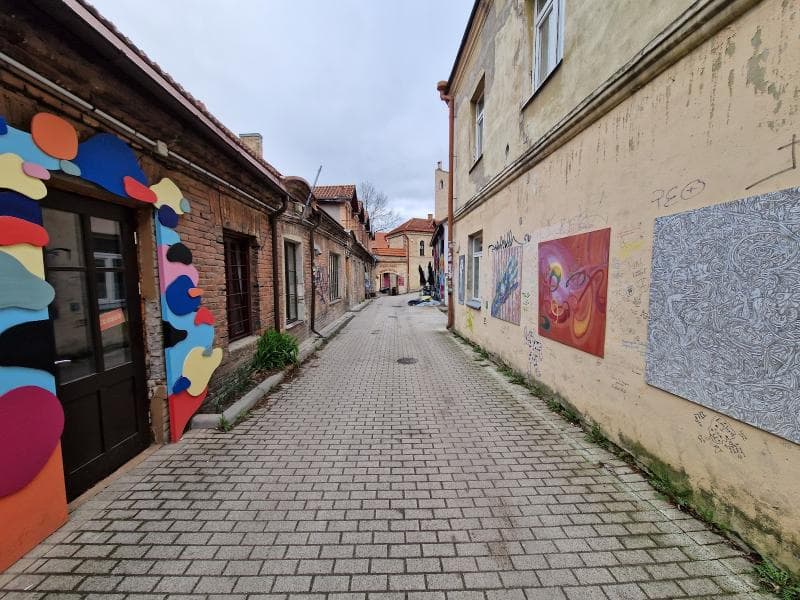
Explore the historic Arcaded Passages of Vilnius University in Vilnius, Lithuania. Discover centuries of Gothic, Renaissance, and Baroque architecture.
Overview
Tucked within the historic heart of Vilnius, Lithuania, the Arcaded Passages of Vilnius University offer a captivating journey through centuries of architectural evolution and intellectual heritage. This esteemed institution, founded in 1579, stands as the oldest university in the Baltic states and remains a vibrant center of learning and culture today. The university's architectural ensemble is a testament to time, seamlessly blending Gothic, Renaissance, Baroque, and Classicist styles across its thirteen interconnected courtyards. These courtyards are linked by a labyrinth of atmospheric passages and magnificent arcades, inviting curious travelers to wander and discover the stories etched into their ancient walls.
History & Cultural Background
The story of Vilnius University begins in 1570, when it was established as a Jesuit college. Just nine years later, in 1579, it was elevated to university status through a charter granted by King Stephen Báthory and further confirmed by Pope Gregory XIII. From its inception, the university played a pivotal role in the region, acting as a beacon of education and culture in the Grand Duchy of Lithuania and beyond. It was instrumental in spreading scientific knowledge and European cultural traditions. Over its more than four centuries of existence, the university has weathered periods of both growth and decline, including closures during wars and occupations, only to reopen as a symbol of resilience and enduring scholarship. The complex grew organically over centuries, with new buildings and architectural elements continually added around its original core, contributing to its diverse stylistic tapestry.
What Makes It Special
The true magic of the Arcaded Passages lies in their ability to transport visitors through different historical eras within a single complex. Each of the thirteen courtyards, and the passages that connect them, reveals unique architectural details and a distinct atmosphere. The Grand Courtyard, for instance, is particularly notable for its three tiers of open arcades, creating an impressive visual spectacle and providing a 'pantheon' that commemorates the university's founders and eminent scholars. Walking through these arcades is like stepping into a living museum, where the diverse styles—from the pointed arches of Gothic architecture to the ornate flourishes of Baroque and the stately symmetry of Classicism—tell a continuous story of artistic and intellectual development.
Stories, Fun Facts & Local Details
The courtyards and arcades of Vilnius University are steeped in fascinating lore and historical anecdotes. It's a tradition in Vilnius to count the university's thirteen courtyards, each often named after a significant figure in the institution's history, such as the historian Simonas Daukantas or the revered poet Adam Mickiewicz, who was a student here from 1815 to 1819. The university library, founded in 1570, is one of the oldest in Eastern Europe and houses over five million items, including one of only two surviving copies of the first Lithuanian book, Martynas Mažvydas' Catechism. Imagine the echoes of Jesuit students' conversations as you stroll through these very passages, a place that shaped minds and cultures for centuries. The university also features the Church of St. Johns, a Gothic foundation rebuilt in the Baroque style, whose impressive bell tower offers panoramic views of Vilnius Old Town.
Visitor Perspective
For any traveler, exploring the Arcaded Passages and courtyards of Vilnius University is an enriching experience, akin to navigating a secret world within the bustling Old Town. Most of these passages and courtyards are open to the public, offering a serene escape and a unique glimpse into Lithuanian history and academic life. You can freely wander during opening hours, discovering hidden corners and architectural wonders at your own pace. The complex serves not only as a historical site but also as an active academic institution, providing a lively atmosphere infused with the energy of students and scholars. It's an opportunity to connect with a place that has been the intellectual heart of Lithuania for hundreds of years, offering both educational insights and a profound sense of cultural immersion.
Coordinates: 25.28722, 54.6825
View on Google Maps💬 How Travelers Describe This Place
Based on community votes
Must See
1.0kPhotogenic
804Interesting
563Beautiful
100Unique
63
Traveler Stories
Discover memorable experiences shared by travelers who have visited this place.
No traveler stories yet.
Be the first traveler to share what made this place memorable.

Tour
By
Spot
Discover amazing places around the world. Your journey starts here.
Explore
© 2026 TourBySpot. All rights reserved.