Antique Carpet Galleries
Baku, Azerbaijan
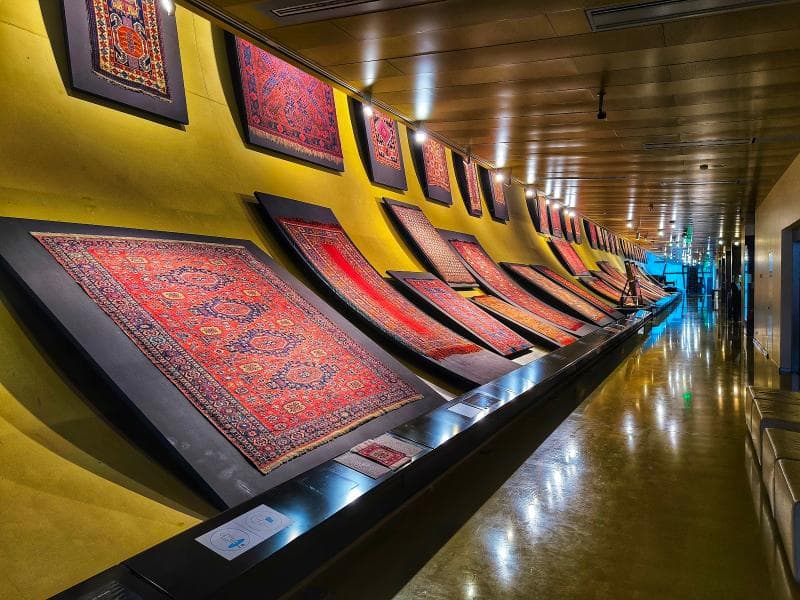
Explore the Antique Carpet Galleries at the Azerbaijan Carpet Museum in Baku. Discover centuries of Azerbaijani weaving art and history.
Overview
Stepping into the Azerbaijan Carpet Museum in Baku is an immersive journey into the heart of Azerbaijani culture, and its Antique Carpet Galleries form a particularly captivating segment of this experience. Housed within a distinctive building shaped like a rolled carpet on Baku's picturesque Seaside Boulevard, the museum itself is a modern architectural marvel. It serves as the world's premier institution dedicated solely to the art of carpet weaving, showcasing an unparalleled collection that spans centuries of intricate craftsmanship. While not a separate, distinctly named gallery, the museum's extensive display of historical and antique carpets, particularly those found on its second floor, functions as its core 'Antique Carpet Galleries', inviting visitors to explore the profound heritage woven into every fiber.
This special collection within the Azerbaijan Carpet Museum is home to thousands of extraordinary exhibits, many of which date back to the 17th century and earlier. These antique carpets are not merely decorative items; they are historical documents, reflecting the artistic, social, and economic life of Azerbaijan through different eras. The galleries offer a comprehensive look at the evolution of Azerbaijani carpet weaving, from its ancient origins to the masterpieces of later centuries, providing deep insights into the traditions and techniques that have been passed down through generations.
History & Cultural Background
Azerbaijani carpet weaving is an art form deeply rooted in the nation's history, with archaeological evidence suggesting its practice dates back to the Bronze Age. For millennia, carpets have held significant cultural importance, serving not only practical purposes in homes and tents but also as powerful symbols of status, protection, and identity. This rich tradition, recognized by UNESCO as an Intangible Cultural Heritage of Humanity, underscores the profound connection between the Azerbaijani people and their woven art.
The Azerbaijan Carpet Museum, established in 1967 by the eminent carpet weaver and scholar Latif Karimov, was the first specialized museum of its kind globally. Its primary mission has always been to collect, preserve, research, and promote the unique examples of carpet art that form Azerbaijan's national heritage. The antique collections within the museum are a direct result of decades of dedicated efforts to safeguard this legacy, bringing together pieces that tell stories of ancient civilizations, trade routes like the Silk Road, and the enduring artistry of Azerbaijani weavers. These carpets bear witness to periods when they became luxury items, woven with gold and silver threads, sought after by European royalty and the elite.
What Makes It Special
What truly sets the antique carpet collection apart is its unparalleled scope and the sheer artistry on display. Visitors encounter a diverse range of pile and flat-woven carpets, each representing distinct regional schools of Azerbaijani weaving, such as Guba-Shirvan, Ganja-Gazakh, Karabakh, and Tabriz. These antique pieces are renowned for their intricate designs, vibrant natural dyes, and sophisticated weaving techniques. One of the most famous exhibits is the 17th-century 'Ajdahali' (Dragon) carpet from Karabakh, a spectacular example of early craftsmanship and symbolic artistry. Other notable treasures include 17th-century Khatai and Nakhchivan carpets, which exemplify the profound historical depth of the collection.
The preservation quality of these ancient textiles is remarkable, allowing visitors to appreciate the original colors and delicate patterns as if they were freshly woven. Each carpet is a testament to the skill and patience of its maker, often created as a family endeavor where techniques and motifs were passed from generation to generation. The antique carpets are distinguished by their complex narratives woven into their patterns, featuring symbols believed to offer protection, fertility, or prosperity.
Stories, Fun Facts & Local Details
Imagine a family, generations ago, gathering during the colder months, the women of the household diligently working at a loom, weaving patterns passed down from their mothers and grandmothers. That is the essence of Azerbaijani carpet weaving. The motifs you see in these antique carpets are not random; they are a language. A 'buta' might symbolize fire or eternity, while stylized birds, rams, or dragons could represent protection or good fortune. Even the colors hold meaning: red often signifies life and joy, blue is linked to the sky, and green suggests renewal.
A fascinating detail is how environmental factors shaped the art. Azerbaijan's fertile lands provided ideal conditions for raising nine breeds of Caucasian sheep, yielding thick, healthy wool, and a rich abundance of flora for natural dyes. The artistry was not just aesthetic; it was an integral part of daily life, with carpets also serving as saddlebags for travel, storage sacks, and tent dividers. The museum itself, shaped like a rolled carpet, is a clever nod to the very art it celebrates, a visual metaphor that prepares visitors for the treasures within.
Visitor Perspective
For the curious traveler, visiting the Antique Carpet Galleries within the Azerbaijan Carpet Museum is an unforgettable experience. The carefully curated displays, often accompanied by detailed explanations, make the history and artistry accessible. You're not just looking at old rugs; you're witnessing history unfold through threads. The museum's layout thoughtfully guides you through the evolution of carpet making, offering insights into the tools, materials, and techniques used by ancient weavers. Seeing a 17th-century 'dragon carpet' up close, with its mythical creatures and vibrant patterns, is truly awe-inspiring.
The atmosphere is one of reverence for a craft that is both ancient and alive. It's a quiet space where you can contemplate the intricate details, the stories embedded in each knot, and the journey each piece has made through time. Many visitors feel a deep connection to the cultural soul of Azerbaijan, understanding how profoundly this art form has shaped its identity. It’s an educational and emotional experience, providing a tangible link to a heritage that continues to thrive. Whether you're an art enthusiast, a history buff, or simply a traveler seeking authentic cultural immersion, the antique carpet collections offer a window into Azerbaijan's enduring legacy of beauty and craftsmanship.
Coordinates: 49.83556, 40.35972
View on Google Maps💬 How Travelers Describe This Place
Based on community votes
Unique
551Beautiful
547Must See
336Interesting
298Photogenic
212
Traveler Stories
Discover memorable experiences shared by travelers who have visited this place.
No traveler stories yet.
Be the first traveler to share what made this place memorable.

Tour
By
Spot
Discover amazing places around the world. Your journey starts here.
Explore
© 2026 TourBySpot. All rights reserved.