Ancient Tombs and Stone Arches
Antalya, Turkey
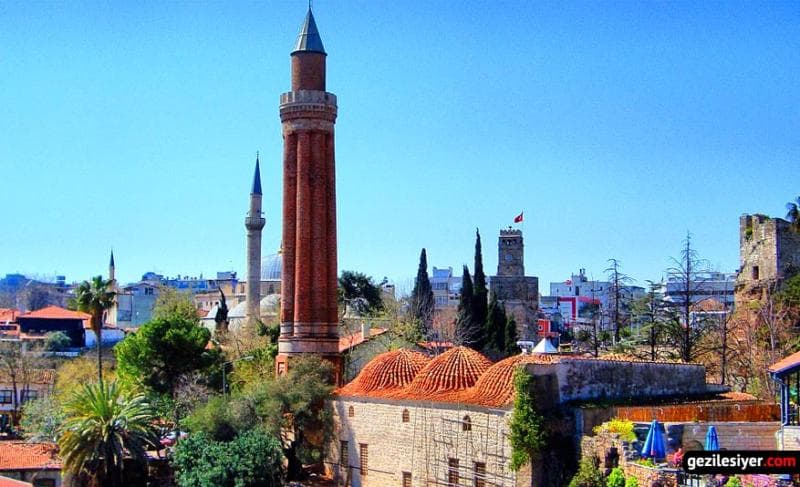
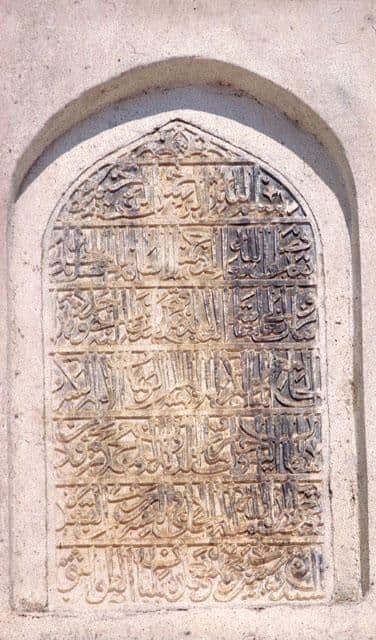
Discover ancient tombs and historical stone arches within the Yivli Minaret Mosque complex in Antalya, Turkey, revealing centuries of Seljuk and Ottoman history.
Overview
Within the historic heart of Antalya, Turkey, nestled amidst the bustling streets of Kaleiçi and adjacent to the iconic Yivli Minaret, lies a treasure trove of history known as the Ancient Tombs and Stone Arches. This area is not a single, formally designated site, but rather a collection of profound historical elements integrated into the larger Yivli Minaret Mosque complex, also known as a külliye. Here, the echoes of past civilizations resonate through beautifully preserved mausoleums and intricately crafted stone archways, inviting travelers to step back in time and explore the Seljuk and Ottoman legacies of Antalya. These architectural remnants offer a tangible connection to the city's rich and layered past, revealing stories etched in stone and history embedded in the very foundations of the complex.
History & Cultural Background
The Yivli Minaret Mosque complex, which hosts these ancient tombs and stone arches, boasts a history stretching back to the 13th century. It was originally envisioned as a place of worship around 1230 by Seljuk Sultan Alaeddin Keykubad I, built upon the remains of an earlier Byzantine-era church. This practice of integrating older architectural elements into new Islamic structures is a hallmark of the Seljuk period in Anatolia. The original prayer hall underwent a significant rebuilding in 1373, commissioned by Mehmet Bey, which further shaped its current form, featuring six domes supported by twelve columns, some of which are ancient capitals reused from earlier structures.
The concept of a külliye, a complex of buildings centered around a mosque, was central to Seljuk and later Ottoman urban planning. The Yivli Minaret Külliye, at its peak, included the mosque, madrasas (religious schools), a Mevlevi dervish lodge, a hammam (bathhouse), and two significant domed mausoleums or tombs. These tombs serve as final resting places for notable historical figures, providing a direct link to the political and social fabric of medieval Antalya. One such tomb is the Zincirkıran Mehmet Bey Türbesi, an octagonal mausoleum dating to 1377. It houses the remains of Mübarizeddin Mehmet Bey, also known as 'Zincirkıran' or 'the chain-breaker,' a title earned from his role in reclaiming Antalya in 1373. Another prominent tomb is the Nigar Hatun Türbesi, a modest yet historically significant hexagonal tomb. Nigar Hatun was the wife of Ottoman Sultan Bayezid II and the mother of Prince Korkud, making her an important figure in the Ottoman lineage connected to Antalya.
What Makes It Special
What truly distinguishes the Ancient Tombs and Stone Arches within the Yivli Minaret complex is their profound historical depth and architectural amalgamation. The stone arches, found in the mosque's northern and eastern entrance portals, for instance, are not merely functional but carry the weight of centuries of craftsmanship. The madrasa within the külliye also features a grand stone portal, intricately carved, showcasing the artistic prowess of its time, even in its partially ruined state. Inside the mosque, the use of ancient capitals to support its domes highlights a continuity of architectural heritage, where Roman or Byzantine elements were skillfully incorporated into Seljuk design.
The tombs themselves are unique in their narratives. The Zincirkıran Mehmet Bey Tomb, with its octagonal shape and pyramidal roof, stands as a testament to a pivotal moment in Antalya's history. The stone ring above its entrance is believed to symbolize Mehmet Bey's 'chain-breaker' nickname, connecting architecture with legend. The Nigar Hatun Tomb, constructed from crushed stone and spolia, further illustrates the resourcefulness and aesthetic of its builders, blending different materials to create a dignified resting place. These structures collectively tell a story of conquest, cultural integration, and evolving architectural styles, offering a rare glimpse into the various empires that shaped this Mediterranean city.
Stories, Fun Facts & Local Details
Exploring the Ancient Tombs and Stone Arches is akin to unwrapping layers of history. Imagine Mehmet Bey, 'the chain-breaker,' a figure whose very name evokes tales of valor and strategic genius. His tomb, with its subtle yet powerful symbolism of a stone ring, invites contemplation of the 1373 victory that broke the chains across Antalya's harbor. The presence of Nigar Hatun's tomb, a mother to an Ottoman prince, subtly weaves the narrative of the Seljuk era into the broader tapestry of Ottoman power, connecting royal families to this very spot in Antalya.
During recent restoration efforts, archaeological findings continue to reveal fascinating details. For example, underneath the Yivli Minaret Mosque, an ancient water system was discovered, now visible through a glass floor section, showcasing the advanced engineering of past eras. The uncovering of old graves around the madrasa during excavations further emphasizes the site's long-standing use as a significant communal and burial ground. These details transform static stone structures into dynamic storytellers, offering glimpses into daily life, power struggles, and spiritual beliefs of the people who once walked these grounds.
Visitor Perspective
As a curious traveler, encountering the Ancient Tombs and Stone Arches within the Yivli Minaret Külliye is an experience that grounds you in Antalya's ancient past. It's a journey beyond mere sightseeing; it's an opportunity to connect with the tangible remnants of lives lived centuries ago. Walking through the arched portals of the mosque, you can feel the coolness of the aged stone and admire the craftsmanship that has endured for so long. Observing the columns inside the mosque, topped with ancient capitals, you might ponder the civilizations from which they were repurposed, each one adding a unique chapter to the building's story.
Standing before the tombs of Zincirkıran Mehmet Bey and Nigar Hatun, you gain a sense of the individuals who shaped the region's destiny. These sites are not overly grand or ostentatious, but their understated presence and rich historical associations make them deeply moving. The surrounding complex, with its various educational and spiritual buildings, encourages a leisurely exploration, allowing you to appreciate the architectural harmony and historical continuity. It's a place where history is not just read but felt, inviting reflection on the passage of time and the enduring legacies of those who came before. Take your time to notice the details in the old masonry, the subtle carvings, and imagine the countless footsteps that have worn down the stone over hundreds of years.
Coordinates: 30.704444444444444, 36.88638888888889
View on Google Maps💬 How Travelers Describe This Place
Based on community votes
Photogenic
623Must See
363Interesting
302Beautiful
250Unique
88
Traveler Stories
Discover memorable experiences shared by travelers who have visited this place.
No traveler stories yet.
Be the first traveler to share what made this place memorable.

Tour
By
Spot
Discover amazing places around the world. Your journey starts here.
Explore
© 2026 TourBySpot. All rights reserved.