Ancient Statues
Vientiane, Laos
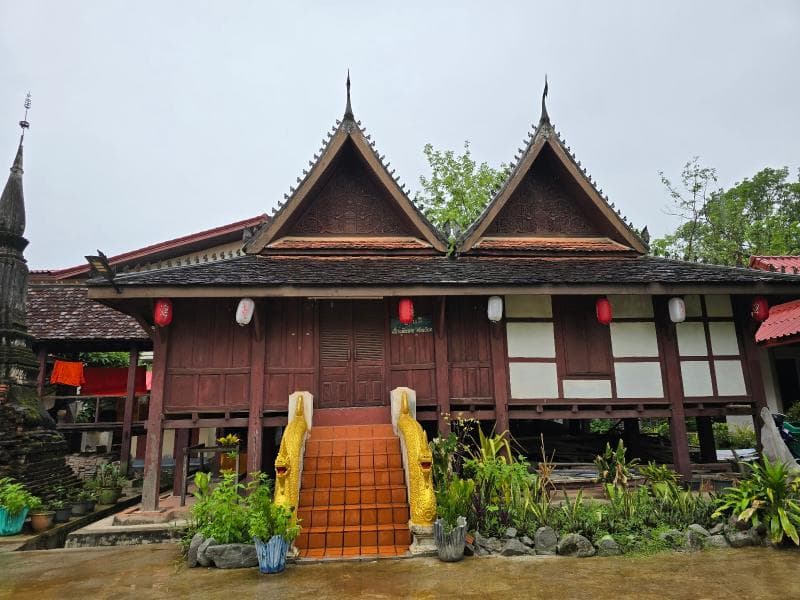
Explore the Ancient Statues at Wat Si Saket in Vientiane, Laos, a collection of thousands of Buddha images dating from the 16th-19th centuries, offering a profound glimpse into Laotian history and spiritual resilience.
Overview
Nestled in the heart of Vientiane, Laos, within the historic Wat Si Saket, lies a breathtaking collection known as the Ancient Statues. This sub-spot is not merely a display but a profound repository of Buddhist art and history, distinguishing Wat Si Saket as the temple housing the most Buddha images in Laos. Visitors are greeted by the serene presence of thousands of Buddha statues, meticulously arranged within niches along the cloister walls and inside the main ordination hall (sim). These venerable images vary in size, material, and style, offering a tangible journey through centuries of Laotian spiritual devotion and artistic expression.
The sheer volume of these ancient figures is astonishing; estimates suggest numbers ranging from over 2,000 to more than 10,000, with many sources indicating around 6,840 statues within the main hall alone. Crafted from diverse materials such as ceramic, silver, tin, stone, wood, and bronze, some even gold-plated, they represent different periods, predominantly dating from the 16th to the 19th centuries. What makes this collection particularly poignant is the deliberate preservation and display of many damaged statues, some headless or missing limbs, serving as a powerful and visible testament to the region's tumultuous past.
History & Cultural Background
Wat Si Saket, the home of these ancient statues, was constructed in 1818 under the command of King Anouvong, the last monarch of the Kingdom of Vientiane. Remarkably, it stands as Vientiane's oldest surviving temple, a fact deeply intertwined with its unique architectural style. Unlike many traditional Lao temples, Wat Si Saket was built in a Siamese Buddhist style, complete with a five-tiered roof and a surrounding terrace.
This architectural distinction is widely believed to have been its saving grace during the Siamese invasion of 1828, which devastated much of Vientiane. The invading armies, recognizing a familiar architectural form, reportedly spared Wat Si Saket from destruction, making it a rare survivor of that conflict. The ancient statues themselves bear witness to centuries of history, having been collected and placed within the temple over generations. Their diverse origins and styles reflect the shifting artistic influences and religious practices of the era, from the 16th to the 19th centuries.
What Makes It Special
The collection of ancient statues at Wat Si Saket is profoundly special for several reasons, chief among them being its immense scale. The temple is famed for its cloister walls, which feature thousands of small niches, each housing one or two small Buddha images. In front of these, rows of larger statues, some life-sized, stand sentinel, creating an overwhelming sense of sacred density.
Beyond the sheer numbers, the statues' historical narrative sets them apart. Many exhibit signs of damage—missing heads, arms, or legs—a stark reminder of the 1828 Siamese invasion. Instead of discarding these imperfect relics, the Lao people made a conscious decision to preserve and display them. This act transforms the collection from mere religious artifacts into a powerful historical memorial, emphasizing resilience and peace in the face of conflict. The variety of materials—ranging from humble tin and wood to precious silver and gold-plated bronze—also highlights the enduring craftsmanship and varied resources available over several centuries.
Stories, Fun Facts & Local Details
A compelling local legend recounts how Wat Si Saket survived the 1828 Siamese invasion. It is said that when the Siamese armies were poised to attack, the sky dramatically darkened, leading the invaders to believe it was a sign of divine anger, causing them to retreat and spare the temple.
The practice of preserving the damaged Buddha images carries deep cultural significance. In Buddhist tradition, the head is considered the most sacred part of a Buddha statue, representing enlightenment and wisdom. The deliberate decapitation of statues during invasions was an attempt to symbolically attack the spirituality of the people. By choosing to keep and display these 'wounded' figures, the Lao people transformed symbols of destruction into enduring emblems of their determination to safeguard their cultural heritage and promote peace, serving as a poignant warning against the atrocities of war. Today, Wat Si Saket remains an active monastery, with resident monks continuing age-old traditions, including receiving alms from the local community.
Visitor Perspective
Visiting the Ancient Statues within Wat Si Saket offers a uniquely immersive and contemplative experience. As you step into the cloistered courtyard, the immediate impression is one of profound tranquility, a peaceful sanctuary removed from the city's bustle. The sight of thousands upon thousands of Buddha images, each with its own subtle expression and history, lining the walls and filling the niches, is genuinely awe-inspiring.
Walking through the corridors, you'll encounter a tangible connection to Laos's spiritual and historical journey. The damaged statues, displayed with reverence, evoke a sense of solemn reflection on the impact of conflict and the resilience of faith. It's a place for quiet contemplation, where the echoes of centuries past are palpable. Visitors are encouraged to observe the local worshippers and soak in the serene atmosphere. Respectful attire, covering shoulders and knees, is required, and shoes must be removed before entering the main ordination hall, ensuring an experience that honors the sacred nature of this extraordinary site.
Coordinates: 102.611667, 17.963056
View on Google Maps💬 How Travelers Describe This Place
Based on community votes
Unique
958Must See
743Photogenic
728Beautiful
719Interesting
382
Traveler Stories
Discover memorable experiences shared by travelers who have visited this place.
No traveler stories yet.
Be the first traveler to share what made this place memorable.

Tour
By
Spot
Discover amazing places around the world. Your journey starts here.
Explore
© 2026 TourBySpot. All rights reserved.