Ancient History Hall
Dushanbe, Tajikistan
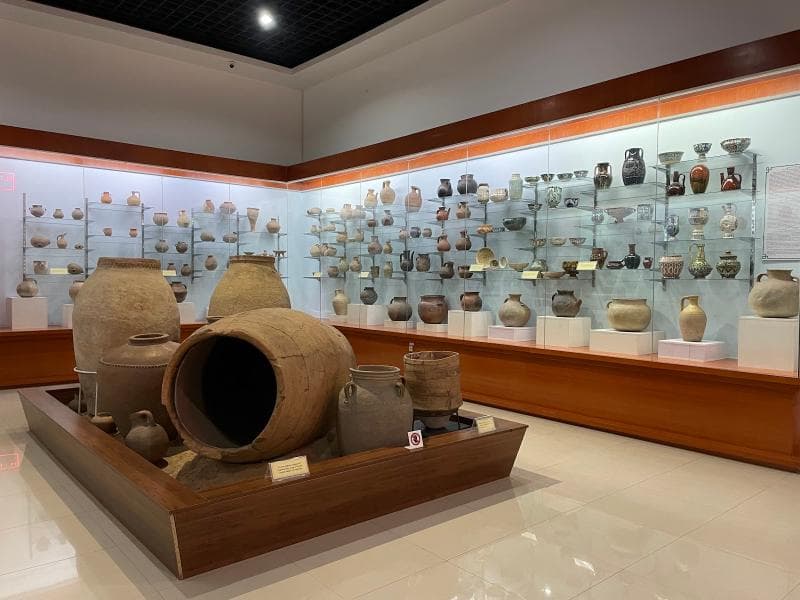
Explore the Ancient History Hall at the National Museum Of Tajikistan in Dushanbe, a captivating journey through millennia of Tajik heritage and artifacts.
Overview
Stepping into the Ancient History Hall within the National Museum Of Tajikistan in Dushanbe is like embarking on a captivating journey through millennia. This esteemed section of the museum serves as a chronological gateway to Tajikistan's profound past, showcasing a wealth of archaeological treasures that narrate the story of this strategically located Central Asian land. Housing an impressive collection spanning from the Stone Age to the early medieval period, the hall provides a comprehensive look at the diverse cultures and empires that shaped the region. From the earliest human settlements to the flourishing Silk Road civilizations, visitors are presented with tangible evidence of an ancient world brimming with innovation, art, and complex societal structures.
The National Museum of Tajikistan itself, inaugurated in its current impressive building in 2013, is a modern marvel with 22 exhibition halls, and its Ancient History Hall is undoubtedly one of its most compelling departments. It is dedicated to illuminating the deep roots of the Tajik people, displaying artifacts that underscore their rich heritage and their interactions with powerful ancient civilizations.
History & Cultural Background
The history displayed in the Ancient History Hall reveals Tajikistan as a vibrant crossroads of ancient cultures, where Zoroastrian, Buddhist, Hellenistic, and early Islamic traditions converged and intertwined. The hall begins its narrative in the Stone Age, presenting evidence of primitive human activity, including an artifact from Kuldara dating back an astonishing 1.95 million years, recognized as the museum's most ancient exhibit. Moving forward, the Eneolithic and Bronze Ages are richly represented by findings from the agricultural settlement of Sarazm, a UNESCO World Heritage site. These artifacts, dating from the 4th millennium BCE, highlight the transition from nomadic life to settled agriculture and the emergence of sophisticated metallurgy.
The Hellenistic period introduces the influence of ancient Greece, particularly through remarkable finds from the Oxus Temple at Takht-i Sangin. Here, visitors can witness the fascinating synthesis of local and Greek cultures in exquisite pieces like a portrait of Alexander the Great depicted as Hercules and intricate ivory items. The narrative continues through the Kushan and Sassanid eras, periods of significant cultural and religious development. The hall also showcases artifacts from the Silk Road era, emphasizing Tajikistan's crucial role in connecting East and West.
What Makes It Special
Among the many treasures, several exhibits in the Ancient History Hall stand out for their historical significance and artistic merit. Foremost is the awe-inspiring statue of the Sleeping Buddha, discovered at the Ajina-Teppa Buddhist monastery. Measuring an impressive 13 to 14 meters in length, this majestic clay sculpture from the Kushan era is not only the museum's most famous exhibit but also one of the largest Buddha statues in the world. Its presence underscores the deep Buddhist heritage that once flourished in the region.
Another highlight includes the captivating wall paintings from ancient Penjikent, dating from the 5th to 7th centuries CE. These vibrant frescoes, including the renowned image of a harpist, are considered masterpieces of world art and offer a rare glimpse into the daily life, beliefs, and artistic sophistication of the Sogdian civilization. The hall also proudly displays extensive numismatic collections, featuring coins from various dynasties like the Achaemenid, Greek-Bactrian, and Samanid periods, providing valuable insights into ancient economies and political structures.
Stories, Fun Facts & Local Details
The Ancient History Hall is not just a collection of objects; it's a tapestry woven with stories of discovery and cultural exchange. Imagine archaeologists meticulously unearthing the Sarazm settlement, revealing an ancient city that traded with distant lands like Afghanistan, Pakistan, India, and Iran, and pioneered advanced metallurgy. Consider the narrative embedded in the Oxus Temple finds, where a Hellenistic-era scabbard alongside a portrait of Alexander the Great subtly tells a tale of conquest, cultural assimilation, and enduring artistic influence. These artifacts are more than relics; they are direct connections to the people who lived, worked, and created in these lands thousands of years ago.
A fun detail for visitors is to look for the subtle hints of different cultures merging in individual pieces—a Zoroastrian symbol on a Buddhist relic, or Greek artistic styles applied to local motifs. The sheer breadth of the collection, spanning over 5,000 unique samples of ceramics, stone wares, metal, glass, and jewelry, reflects the continuous human endeavor and the dynamic interplay of civilizations along the historic Silk Road.
Visitor Perspective
For any curious traveler, the Ancient History Hall offers an enriching and thought-provoking experience. The layout guides you through a chronological narrative, making it easy to follow the evolution of Tajik civilization. While some older descriptions might mention the museum feeling 'dated', the current National Museum of Tajikistan in Dushanbe is housed in a modern building designed to showcase these priceless artifacts effectively. Engaging with the detailed explanations, often available in English, Russian, and Tajik, allows for a deep dive into each historical period.
Walking through this hall, you'll feel a palpable connection to the past, recognizing the enduring legacy of ancient peoples whose innovations and artistic expressions continue to resonate today. It's a place where you can ponder the vastness of time and appreciate the resilience and creativity of human civilization in Central Asia. Allow ample time, perhaps two hours or more, to fully absorb the depth and breadth of the ancient history on display, letting the stories of these artifacts transport you to a bygone era.
Coordinates: 68.779478, 38.582195
View on Google Maps💬 How Travelers Describe This Place
Based on community votes
Beautiful
915Interesting
873Photogenic
422Must See
123Unique
53
Traveler Stories
Discover memorable experiences shared by travelers who have visited this place.
No traveler stories yet.
Be the first traveler to share what made this place memorable.

Tour
By
Spot
Discover amazing places around the world. Your journey starts here.
Explore
© 2026 TourBySpot. All rights reserved.