Ancient Artifacts
Yangon, Myanmar
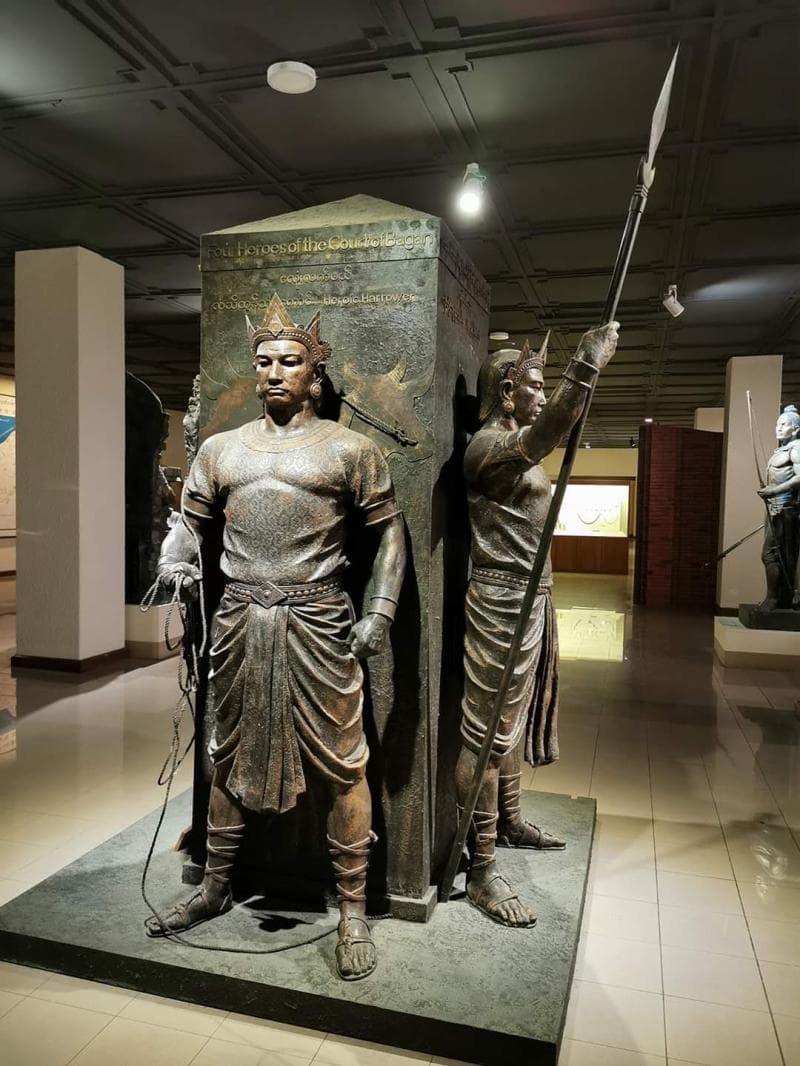
Explore ancient artifacts at the National Museum of Myanmar in Yangon, showcasing millennia of Burmese history, from prehistoric tools to royal regalia.
Overview
The National Museum of Myanmar in Yangon stands as a sprawling repository of the nation's rich heritage, offering an immersive journey through its storied past. Housed in a five-storey building at 66/74 Pyay Road, Dagon, the museum showcases an extensive collection of ancient artifacts, intricate ornaments, captivating works of art, historical inscriptions, and significant memorabilia related to the history, culture, and civilization of the Burmese people. Established in 1952, it has evolved into the principal institution for preserving and exhibiting Myanmar's cultural legacy, moving to its current spacious premises in 1996. With nearly 5,000 permanent objects, the museum's fourteen galleries present a comprehensive narrative, making it an essential destination for anyone keen to understand the depth of Myanmar's historical and cultural identity.
History & Cultural Background
The museum's ‘Ancient Artifacts’ section meticulously traces Myanmar's history from prehistoric eras to more recent royal periods. The Hall of Pre-historic Times transports visitors back to a distant past, featuring a replica of the Padah-Lin Caves, complete with Stone Age drawings estimated to be over 10,000 years old. This section also exhibits stone weapons from the Neolithic period and bronze weapons from later ages, offering tangible connections to early human habitation in the region.
Moving forward in time, the museum highlights the ancient Pyu period (1st to 9th century), displaying artifacts such as clay pots, funerary urns, votive tablets, and elaborate necklaces unearthed from archaeological sites, including the ancient Pyu city of Sri Ksetra. The Hall of Burmese History delves into the glorious Bagan Period (849 CE to 1287 CE), showcasing exhibits on pagodas, temples, monasteries, and intricate murals from various dynastic periods like Pinya, Inwa, Taungoo, and Konbaung. These artifacts collectively narrate the evolution of religious practices, architectural styles, and daily life across millennia in Myanmar.
What Makes It Special
What truly distinguishes the ancient artifacts collection is its breadth and the profound cultural significance embedded in each piece. The highlight for many is the magnificent Royal Lion Throne, known as ‘Sihasana’, the only surviving original throne of the Burmese monarchs. This 26-foot-high, jewel-encrusted throne, used by King Thibaw (the last monarch of Myanmar) in the Hluttaw Hall, symbolizes centuries of royal power and tradition. Beyond the Lion Throne, the Royal Regalia Hall captivates with a display of beautifully ornamented objects used in ancient royal ceremonies, including miniature models of the eight types of thrones of ancient Myanmar kings.
The sheer variety of artifacts—ranging from prehistoric fossils and Stone Age tools to exquisite gold and gemstone ornaments, ancient Buddha statues crafted from various materials, and palm-leaf manuscripts—presents a rare opportunity to witness the continuous artistic and cultural development of Myanmar. The museum’s commitment to preserving such diverse objects makes it a crucial resource for understanding the country's profound historical layers.
Stories, Fun Facts & Local Details
Imagine stepping into the Hall of Pre-historic Times and encountering the replica of the Padah-Lin Caves, where the faint outlines of 10,000-year-old Stone Age drawings invite contemplation about the earliest inhabitants of this land. These simple yet powerful artistic expressions offer a direct link to a time before recorded history. Another fascinating detail can be found in the Hall of Burmese History: rare votive tablets molded with scenes from the Jataka Stories, depicting the previous births of the Lord Buddha. These intricate pieces not only demonstrate ancient craftsmanship but also reveal the deep-rooted Buddhist faith that has shaped Myanmar's cultural identity for centuries.
For those interested in the subtle nuances of history, the collection of ancient Pyu artifacts, such as simple clay pots and delicate necklaces, provides a tangible glimpse into the daily lives and aesthetic sensibilities of a civilization that flourished over a millennium ago. The museum’s displays, though sometimes described as modestly lit, encourage a closer, more contemplative examination of these irreplaceable treasures.
Visitor Perspective
A visit to the Ancient Artifacts section within the National Museum of Myanmar offers a peaceful and often uncrowded experience, allowing for thoughtful engagement with the exhibits. The museum is open from 9:30 AM to 4:30 PM, Tuesday through Sunday, making it an ideal half-day excursion. The modest entrance fee for foreigners makes this extensive collection accessible. While photography rules may apply in certain areas, the overall atmosphere encourages a deep appreciation for the artifacts. Located conveniently in Yangon, the museum is easily reachable by taxi, providing a comfortable way for travelers to connect with Myanmar's profound history and cultural heritage.
Coordinates: 96.1425, 16.78861
View on Google Maps💬 How Travelers Describe This Place
Based on community votes
Must See
997Unique
785Photogenic
571Interesting
546Beautiful
103
Traveler Stories
Discover memorable experiences shared by travelers who have visited this place.
No traveler stories yet.
Be the first traveler to share what made this place memorable.

Tour
By
Spot
Discover amazing places around the world. Your journey starts here.
Explore
© 2026 TourBySpot. All rights reserved.