Amphitheater
Bali, Indonesia
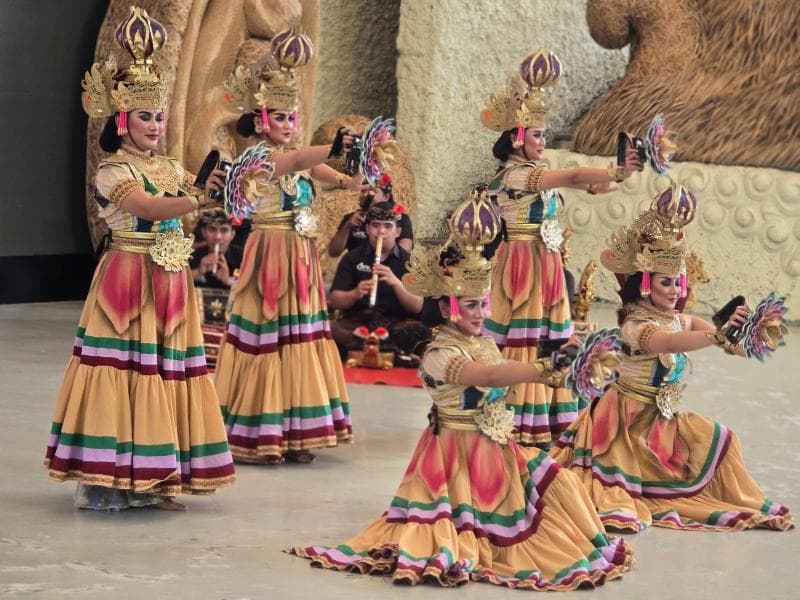
Experience Balinese culture at the Amphitheater in Garuda Wisnu Kencana Cultural Park, Bali, Indonesia, with traditional dance and music performances.
Overview
Nestled within the expansive Garuda Wisnu Kencana (GWK) Cultural Park in Bali, Indonesia, the Amphitheater is far more than just a performance space; it is the beating heart of the park's cultural offerings. This open-air venue is where Bali's rich artistic traditions come alive nightly, providing visitors with an immersive journey into the island's captivating heritage. Designed with thoughtful consideration for both aesthetics and acoustics, it serves as a central stage for a diverse array of traditional Balinese performances, set against the dramatic backdrop of Ungasan's limestone cliffs.
The Amphitheater, with its impressive capacity, seamlessly blends the ancient and the contemporary, hosting everything from sacred dance rituals to modern artistic expressions. Its very architecture, mirroring traditional temple courtyards, invites audiences to become part of the narrative, forging a deep connection with the stories and spiritual essence of Bali.
History & Cultural Background
The concept of the Amphitheater at GWK Cultural Park is deeply rooted in the vision for the entire park: to celebrate and preserve Balinese Hindu philosophy and art. The park itself began its ambitious journey in 1989, conceived by Balinese sculptor I Nyoman Nuarta and then-Tourism Minister Joop Ave. While the colossal Garuda Wisnu Kencana statue took decades to complete, the Amphitheater was envisioned as a dynamic space where the spirit of Bali could be continuously expressed through live performance.
Its design draws inspiration from the circular courtyards found in ancient Balinese temple complexes, emphasizing communal gathering and spiritual resonance. The choice to quarry the seating from the very limestone hills that cradle the amphitheater further grounds the structure in the island's geological and cultural memory. When it first opened, local villagers were among the inaugural performers, a symbolic gesture honoring the communities who tended these lands long before they became a cultural landmark. This thoughtful integration of community and tradition underscores the amphitheater's role as a living testament to Bali's enduring cultural legacy.
What Makes It Special
What sets the GWK Amphitheater apart is its extraordinary setting and meticulously engineered design. Perched beneath the majestic silhouette of the Garuda Wisnu Kencana statue, performances unfold against a truly monumental backdrop, creating a sense that divine beings oversee the spectacles. The amphitheater's acoustics are specifically engineered to naturally amplify sound, eliminating the need for extensive mechanical interference and allowing the raw power and beauty of traditional Balinese music and chanting to resonate authentically.
The curved limestone seating, carved directly from the surrounding landscape, not only provides a connection to the earth but also offers excellent sightlines for the audience. As dusk descends, the carved walls catch the glow of torches, and palm trees sway in rhythm with the music, transforming the venue into an almost sacred space. It is a place where Balinese myths are not just retold but are viscerally experienced, creating an unforgettable sensory journey for every visitor.
Stories, Fun Facts & Local Details
- Mythological Resonance: Many performances, such as the Kecak Ramayana Dance, narrate episodes from the Hindu epic Ramayana. This brings ancient stories of gods, heroes, and demons to life, offering a deeper understanding of Balinese spiritual beliefs.
- Kecak Fire Dance: One of the most iconic performances is the Kecak dance, often performed at sunset, where a chorus of male performers creates rhythmic chanting, accompanying dramatic storytelling without musical instruments.
- Natural Acoustics: The Amphitheater's design, inspired by ancient temple courtyards, ensures remarkable natural acoustics, allowing the intricate sounds of gamelan music and vocal performances to fill the space without artificial amplification.
- Quarried Seating: The stone seats themselves are carved from the local limestone, literally connecting the audience to the geology of the Bukit Peninsula and the park's history as an old quarry.
Visitor Perspective
For visitors, the Amphitheater at GWK Cultural Park offers an unparalleled cultural immersion. It is highly recommended to arrive before sunset to witness the transformation of the landscape as daylight fades and the performance area becomes illuminated by torchlight. Seating is typically on a first-come, first-served basis, so arriving early allows you to choose an optimal spot – perhaps halfway up the steps for the best views of both the performers and the towering GWK statue.
Attending a performance here is an enchanting experience, with the rhythmic sounds, vibrant costumes, and captivating narratives unfolding under the vast tropical sky. Beyond the visual spectacle, it's an opportunity to feel the pulse of Balinese culture, to understand the reverence for tradition, and to witness the artistry passed down through generations. After the show, the park remains open, inviting a reflective stroll through nearby gardens or a quiet drink as the illuminated statue stands sentinel in the distance, providing a serene end to a culturally rich evening.
Coordinates: 115.166882, -8.813951
View on Google Maps💬 How Travelers Describe This Place
Based on community votes
Unique
836Interesting
797Photogenic
286Beautiful
255Must See
86
Traveler Stories
Discover memorable experiences shared by travelers who have visited this place.
No traveler stories yet.
Be the first traveler to share what made this place memorable.

Tour
By
Spot
Discover amazing places around the world. Your journey starts here.
Explore
© 2026 TourBySpot. All rights reserved.