Amphitheater
Florence, Italy
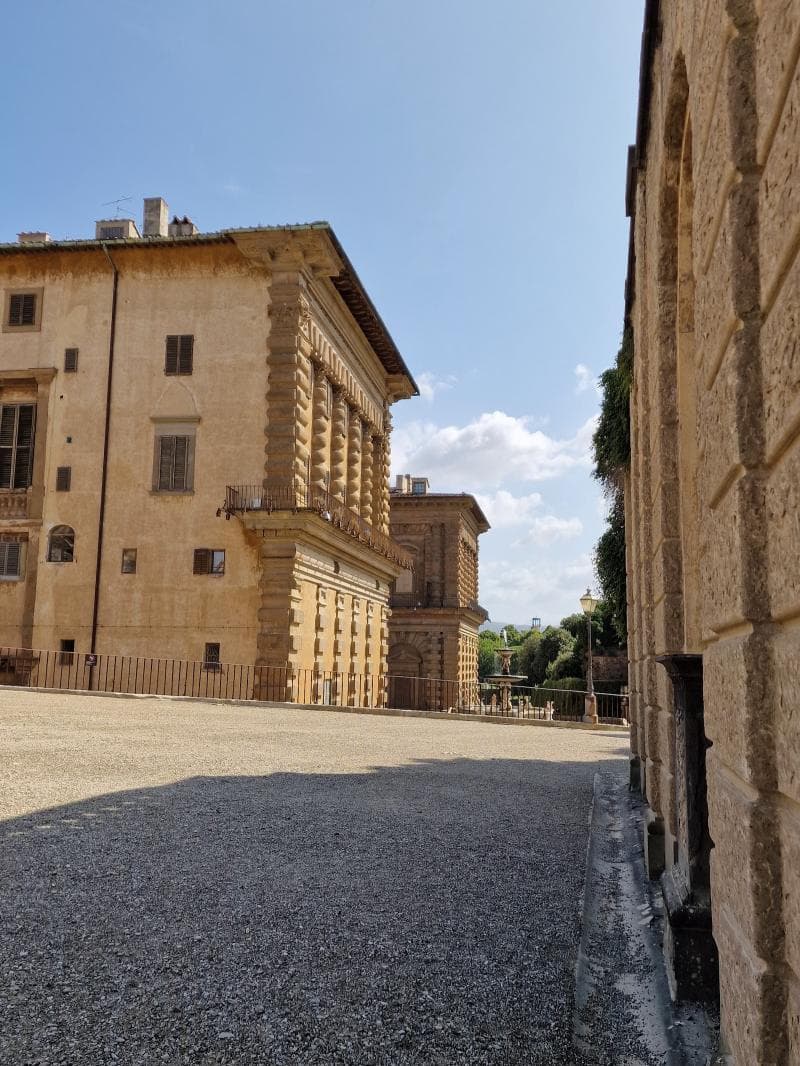
Explore the historic Amphitheater in Boboli Gardens, Florence, Italy. Discover its Medici history, unique architecture, and cultural significance.
Overview
Nestled within the expansive Boboli Gardens, behind the grand Pitti Palace in Florence, Italy, lies the magnificent Amphitheater. This impressive, horseshoe-shaped structure is a centerpiece of the gardens, captivating visitors with its classical design and rich history. Far from being merely a decorative element, it served as a vibrant stage for the elaborate spectacles and courtly entertainment of the powerful Medici family, offering a unique blend of architectural grandeur and natural beauty.
As you approach, the Amphitheater immediately draws the eye, its tiered steps rising majestically from a central arena. It's a testament to Renaissance landscape design, showcasing how art, power, and nature were meticulously interwoven to create a truly immersive experience for the Medici dukes and their guests. Today, it stands as a serene, open-air museum, inviting curious travelers to step back in time and imagine the lavish events that once unfolded here.
History & Cultural Background
The origins of the Boboli Amphitheater are deeply rooted in the very construction of the Pitti Palace itself. The site was initially a stone quarry, providing material for the palace's ambitious build. After the quarry was exhausted, Eleonora di Toledo, wife of Cosimo I de' Medici, envisioned transforming this utilitarian space into a verdant landscape. The initial design for an 'amphitheater of greenery,' or 'anfiteatro di verzura,' was conceived by Niccolò Pericoli, known as Tribolo, around 1550.
This early concept involved terraced gardens adorned with plane trees, beech, oak, and cypress, creating natural seating. However, it was later, between 1630 and 1637, that the Amphitheater took on its more permanent masonry form. Under the direction of architect Giulio Parigi, commissioned by Ferdinando II de' Medici, the stone structure with its seven orders of steps and internal staircases was constructed. Further enhancements during the Lorraine era in the late 18th and early 19th centuries saw the addition of significant elements. The ancient Egyptian obelisk, originally from Luxor and later from the Villa Medici in Rome, was erected in the center in 1790 under Peter Leopold, and a large red granite basin was placed there in 1840. These additions further cemented the Amphitheater's status as a site of historical and cultural significance, integrating classical Roman and even ancient Egyptian influences into the Florentine landscape.
What Makes It Special
The Boboli Amphitheater is special for several compelling reasons, primarily its unique transformation from a humble quarry into a grand stage for Medici power and artistry. Its architectural design, blending natural contours with deliberate masonry, showcases the innovative spirit of the Renaissance. Unlike conventional Roman amphitheaters, this one was designed not for gladiatorial contests, but for courtly performances, operas, and elaborate festivals that demonstrated the wealth and cultural sophistication of the Medici rulers.
The central placement of the 3,500-year-old Egyptian obelisk, brought all the way from Luxor, adds an extraordinary layer of ancient history, making it a focal point unlike any other in a Renaissance garden. This blending of Florentine artistry with artifacts from distant civilizations speaks volumes about the Medici's global reach and their desire to amass objects of beauty and power. The Amphitheater also offers breathtaking panoramic views of Florence, providing a unique vantage point to admire the city's iconic skyline beyond the palace walls.
Stories, Fun Facts & Local Details
Imagine the spectacle: in its heyday, the Boboli Amphitheater would have come alive with music, dance, and theatrical productions, with the Medici court and their esteemed guests seated on its steps. These events were not just entertainment; they were carefully orchestrated displays of political power and cultural prowess, cementing Florence's position as a hub of Renaissance artistry. It's said that the very first opera performances were held in the Boboli Gardens, a groundbreaking art form that combined music, drama, and elaborate staging, making this site a cradle of operatic history.
A modern-day 'fun fact' for literary enthusiasts is its appearance in Dan Brown's novel 'Inferno,' where the gardens and its features, including the Amphitheater, play a key role in the protagonists' frantic quest. This fictional connection adds a contemporary layer to its already rich narrative. Moreover, the careful engineering behind the gardens, including an elaborate water distribution system known as the 'Acqua Ferdinanda,' which sourced water from the Arno River, highlights the incredible ingenuity required to maintain such a vast and intricate green space.
Visitor Perspective
Stepping into the Boboli Amphitheater today is an experience that transcends mere sightseeing. It's an opportunity to immerse yourself in centuries of history and grandeur. As you stand in the arena or climb the grassy tiers, you can almost hear the echoes of past performances and feel the presence of the Medici. The sheer scale and meticulous design evoke a sense of awe, prompting reflection on the power and vision that created such a masterpiece.
Visitors often find a peaceful reprieve here, away from the bustling streets of Florence, enjoying the serene atmosphere and the magnificent vistas. It's a place for quiet contemplation, for appreciating the harmonious relationship between art, architecture, and nature. Whether you're a history buff, an art enthusiast, or simply a curious traveler, the Amphitheater offers a profound connection to Florence's past, revealing the layers of culture and ambition that shaped this iconic Italian garden.
Coordinates: 11.24833, 43.7625
View on Google Maps💬 How Travelers Describe This Place
Based on community votes
Beautiful
950Must See
858Unique
287Interesting
231Photogenic
86
Traveler Stories
Discover memorable experiences shared by travelers who have visited this place.
No traveler stories yet.
Be the first traveler to share what made this place memorable.

Tour
By
Spot
Discover amazing places around the world. Your journey starts here.
Explore
© 2026 TourBySpot. All rights reserved.