Amalienburg
Munich, Germany
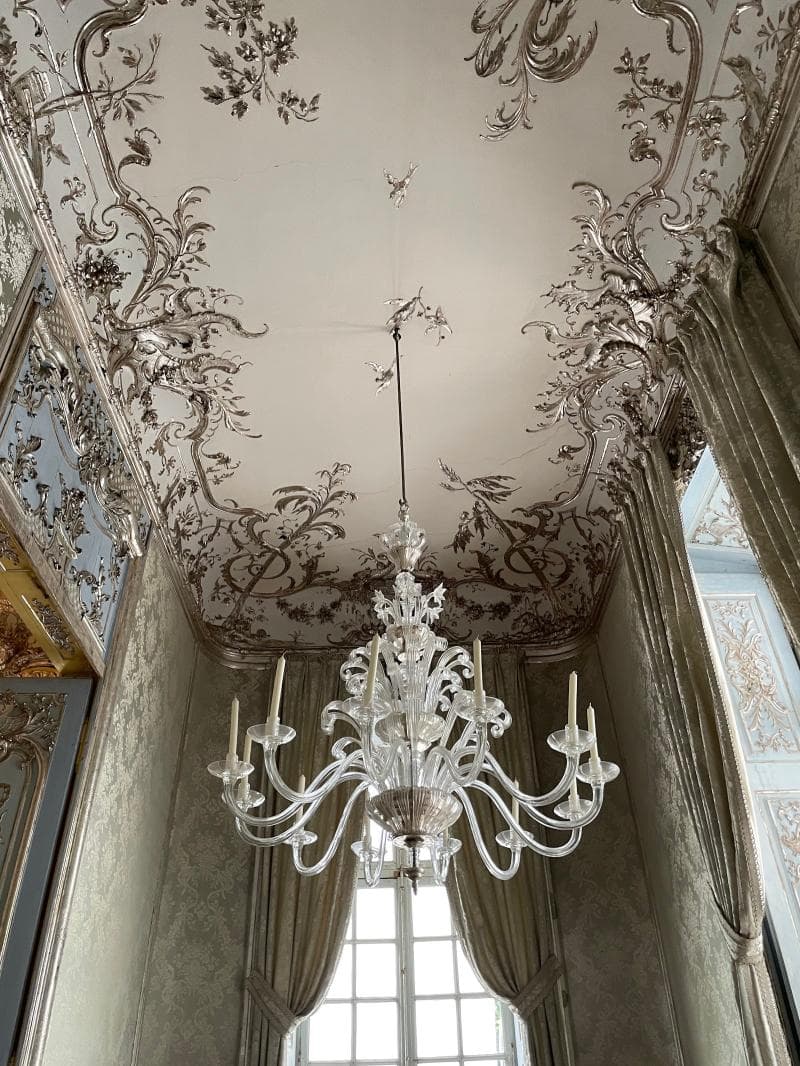
Discover Amalienburg, a stunning Rococo hunting lodge within Nymphenburg Palace Park in Munich, Germany. Explore its Hall of Mirrors and unique kitchen.
Overview
Tucked away within the expansive grounds of Nymphenburg Palace Park in Munich, Germany, lies Amalienburg, a jewel of European Rococo architecture. More than just a building, this enchanting pavilion served as an intimate hunting lodge and pleasure palace, reflecting the exquisite taste and relaxed sensibilities of 18th-century Bavarian royalty. Commissioned for Electress Maria Amalia, its delicate pink and white facade hints at the extravagant artistry found within, a stark contrast to the grand scale of the main Nymphenburg Palace. Amalienburg stands as a testament to the Rococo style's playful elegance, inviting visitors to step into a bygone era of courtly leisure and artistic brilliance.
History & Cultural Background
The story of Amalienburg begins in 1734 when Elector Karl Albrecht, a member of the powerful Wittelsbach dynasty, initiated its construction as a special gift for his beloved wife, Maria Amalia of Austria. Designed by the renowned French-trained court architect François de Cuvilliés the Elder, the lodge was completed in a mere five years, by 1739. It was conceived as a 'maison de plaisance,' a fashionable concept originating from France, intended to offer an escape from the rigid etiquette of court life. This small, independent palace complex within the Nymphenburg Park was crafted to facilitate hunting, celebrations, and various leisure activities in a more private and informal setting. The Amalienburg beautifully encapsulates the transition from the grandeur of the Baroque to the more intricate and intimate charm of Rococo, showcasing the pinnacle of Munich court artistry.
What Makes It Special
Amalienburg's undeniable charm lies in its harmonious blend of architecture and opulent interior decoration, forming a true 'Gesamtkunstwerk' or total work of art. The exterior, with its pale pink and white stucco, gives way to a breathtaking sequence of rooms, each meticulously designed. The heart of the pavilion is the magnificent circular Hall of Mirrors, which radiates outwards with a stunning interplay of windows and mirrored walls. Adorned in the Bavarian national colors of silver and delicate blue, along with off-white tones, the hall's shimmering surfaces and intricate silver-plated carvings by Joachim Dietrich and stuccowork by Johann Baptist Zimmermann create an ethereal and dreamlike ambiance. Another truly unique feature is the State Kitchen. Far from a utilitarian space, this kitchen is an artistic marvel, decorated with exquisite blue and white Delft tiles, many of which depict Chinese-style flora and fauna. On the roof, a circular platform with an ornate balustrade once served as a shooting stand for the Electress's pheasant hunts, a testament to its original function as a hunting lodge.
Stories, Fun Facts & Local Details
The Amalienburg holds several delightful stories and details that bring its history to life. It was here that Electress Maria Amalia could indulge her passion for pheasant hunting, with birds driven to the lodge for her to shoot from the rooftop platform, an unusual and aristocratic form of sport. The entire decorative program of the pavilion, including a stucco sculpture of the hunting goddess Diana on the eastern facade, revolves around the theme of hunting, making it a vivid narrative of its purpose. A charming anecdote concerns the kitchen's distinctive Delft tiles. Legend has it that the workers installing these precious blue and white tiles in the 18th century accidentally laid many of them in the wrong order, adding a unique, unplanned irregularity to the otherwise meticulously designed space. This blend of Dutch design and chinoiserie in a functional kitchen for royal festivities truly highlights the exotic and refined tastes of the era. The concept of 'commodité,' emphasizing intimate rooms for informal relaxation away from strict court protocols, was central to the lodge's design, offering the royals a private retreat for genuine leisure.
Visitor Perspective
Visiting Amalienburg today offers a captivating glimpse into the opulent world of Bavarian royalty. The lodge is typically open seasonally, from April 1st to October 15th, welcoming visitors daily from 9 am to 6 pm, but remains closed during the winter months. To experience its splendor, a 'Park Palaces' ticket or a comprehensive Nymphenburg combination ticket is required, which can be purchased at the main palace. Getting to Amalienburg is part of the experience; it's accessible via a pleasant 10 to 15-minute walk through the sprawling Nymphenburg Palace Park from the main palace, which itself is easily reached by Tram 17 from Munich's city center. For a more serene visit, consider going during the early morning hours shortly after opening or in the late afternoon, especially on weekdays, to avoid larger crowds and enjoy the subtle play of light filtering through its grand windows. The pavilion is largely wheelchair accessible, making it an inclusive destination for many. Exploring the various rooms, from the hunting-themed Blue Cabinet and Pheasant Room to the Electress's lavish Rest Room, provides a profound appreciation for the artistic craftsmanship and historical significance of this Rococo masterpiece.
Coordinates: 11.50038, 48.1561
View on Google Maps💬 How Travelers Describe This Place
Based on community votes
Interesting
836Photogenic
797Unique
255Must See
231Beautiful
86
Traveler Stories
Discover memorable experiences shared by travelers who have visited this place.
No traveler stories yet.
Be the first traveler to share what made this place memorable.

Tour
By
Spot
Discover amazing places around the world. Your journey starts here.
Explore
© 2026 TourBySpot. All rights reserved.