Alpine Zoo Stop
Innsbruck, Austria
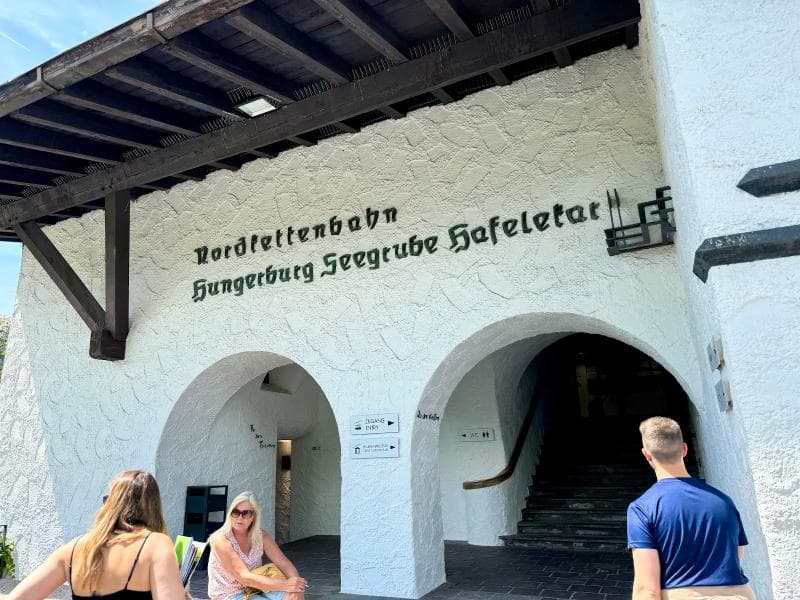
Discover the Alpine Zoo (Alpenzoo) in Innsbruck, Austria, Europe's highest themed zoo, home to Alpine wildlife and a stop on the Nordkette Cable Car.
Overview
Perched high above the charming city of Innsbruck in Austria, the Alpine Zoo (Alpenzoo) offers a truly unique wildlife experience. It is not merely a zoo; it is a dedicated Alpine sanctuary, holding the distinction of being one of Europe's highest-elevation zoos, situated at 727 meters above sea level. This special ‘Alpine Zoo Stop’ is conveniently accessible as part of the Nordkette Cable Car journey, providing visitors with a seamless transition from urban life to a spectacular mountain environment. The Alpenzoo stands out globally for its exclusive focus on the fascinating fauna of the Alps, showcasing a diverse collection of approximately 2,000 animals from about 150 species that call this majestic mountain range home. It serves as a living exhibition, deeply committed to conservation and education, inviting travelers to connect with the natural heritage of the Alpine region.
History & Cultural Background
The vision for the Alpenzoo was brought to life by Austrian zoologist Hans Psenner, who, known as the 'father of the Alpine Zoo,' passionately advocated for an institution dedicated solely to Alpine wildlife. His lifelong dream materialized with the zoo's opening on September 22, 1962. Psenner's innovative approach sought to create environments for the animals that closely mirrored their natural habitats, a pioneering concept for its time. The zoo's location also holds a historical resonance; centuries prior, in 1591, Archduke Ferdinand II established an imperial zoo at the nearby Weiherburg Castle. The modern Alpenzoo, in a way, revitalized a part of this historical connection to animal keeping in the region. Operating as a non-profit association, the Alpenzoo's vital work is sustained through visitor entrance fees, local government support from Innsbruck and Tyrol, and the dedicated 'Freunde des Alpenzoo' society. In 1986, the zoo further cemented its scientific commitment by establishing its own research department, emphasizing its role in conservation, education, and biological studies.
What Makes It Special
What truly sets the Alpenzoo apart is its unwavering dedication to the Alpine ecosystem. It boasts the world's largest collection of animals exclusively native to the Alps, offering an unparalleled insight into this specific biodiversity. This commitment extends beyond mere exhibition; the zoo is a pivotal center for species conservation. It has achieved significant successes in reintroduction programs for critically endangered species, notably the bearded vulture, Alpine ibex, and northern bald ibis, helping to restore these magnificent creatures to their natural mountain habitats. A particular point of pride is being the only zoo worldwide to house the elusive wallcreeper, a small, vibrant bird adapted to rocky mountain faces. Furthermore, the Alpenzoo is home to the world's largest cold-water aquarium, presenting over 50 species of Alpine fish, some of which are rare or endangered. Its naturalistic enclosures, complete with rocky slopes, water features, and dense vegetation, are meticulously designed to emulate the animals' original surroundings, providing a more authentic and enriching experience for both residents and visitors alike. The zoo has recently enhanced its commitment to conservation by establishing a new Centre for Species Survival in collaboration with the IUCN Species Survival Commission, focusing on small mammal taxa.
Stories, Fun Facts & Local Details
The Alpenzoo is rich with fascinating stories and local charm. Did you know that the wolves in the Alpenzoo are said to howl in unison when the church bells of Innsbruck ring through the valley? This curious local detail adds a whimsical layer to the wild Alpine atmosphere. The zoo's cultural significance was even recognized with its appearance on a special collectible zero Euro banknote, proudly featuring three of its most iconic residents: the bearded vulture, the lynx, and the Alpine ibex. In a nod to sustainable architecture and education, a unique snail-shaped wooden pavilion, designed by local students, was opened in 2017. It serves as an informational hub about forestry and the wood industry. Visitors might also notice the beaver enclosure near the entrance, a subtle reminder of the original fishponds that historically lent their name to the Weiherburg, a significant site connected to the zoo's past. For those visiting in spring or early summer, typically between April and June, there's an extra delight awaiting: many young animals are born during this period, offering heartwarming sights of playful ibex fawns and other energetic youngsters exploring their world.
Visitor Perspective
A journey to the Alpenzoo begins even before you arrive at its gates, as it's a designated stop on the iconic Nordkette Cable Car route. This allows for breathtaking panoramic views of Innsbruck and the surrounding Inn Valley as you ascend. Once inside, the zoo's design, spread across a mountain slope, feels less like a traditional zoo and more like an immersive hillside garden blending naturally into the forest. Exploring the winding footpaths typically takes around two to three hours, providing ample time to observe the diverse array of animals in their thoughtfully crafted habitats. It is a highly family-friendly destination, complete with interactive exhibits and the 'Bären-Kinderspielplatz' (Bear Children's Playground), making it engaging for younger visitors. The Alpenzoo is also commendable for its accessibility, offering barrier-free pathways and services like electric wheelchairs and special tours. While it's an inviting place for all, it's worth noting that dogs are not permitted within the zoo grounds. This unique combination of stunning scenery, dedicated conservation, and educational opportunities creates a memorable experience for any curious traveler.
Coordinates: 11.39806, 47.28056
View on Google Maps💬 How Travelers Describe This Place
Based on community votes
Photogenic
948Unique
595Beautiful
358Interesting
196Must See
19
Traveler Stories
Discover memorable experiences shared by travelers who have visited this place.
No traveler stories yet.
Be the first traveler to share what made this place memorable.

Tour
By
Spot
Discover amazing places around the world. Your journey starts here.
Explore
© 2026 TourBySpot. All rights reserved.