Alice in Wonderland Statue
New York, United States
Explore the whimsical Alice in Wonderland Statue in Central Park, New York, United States. Discover its history, interactive design, and fun facts.
Overview
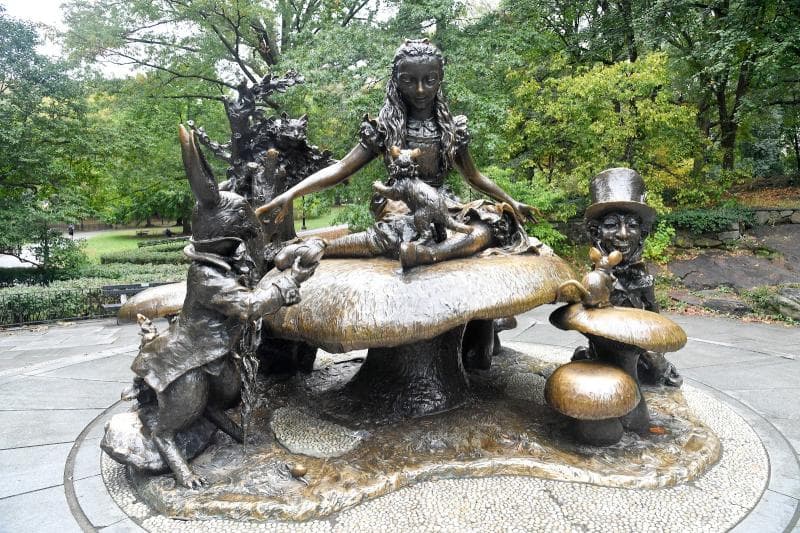
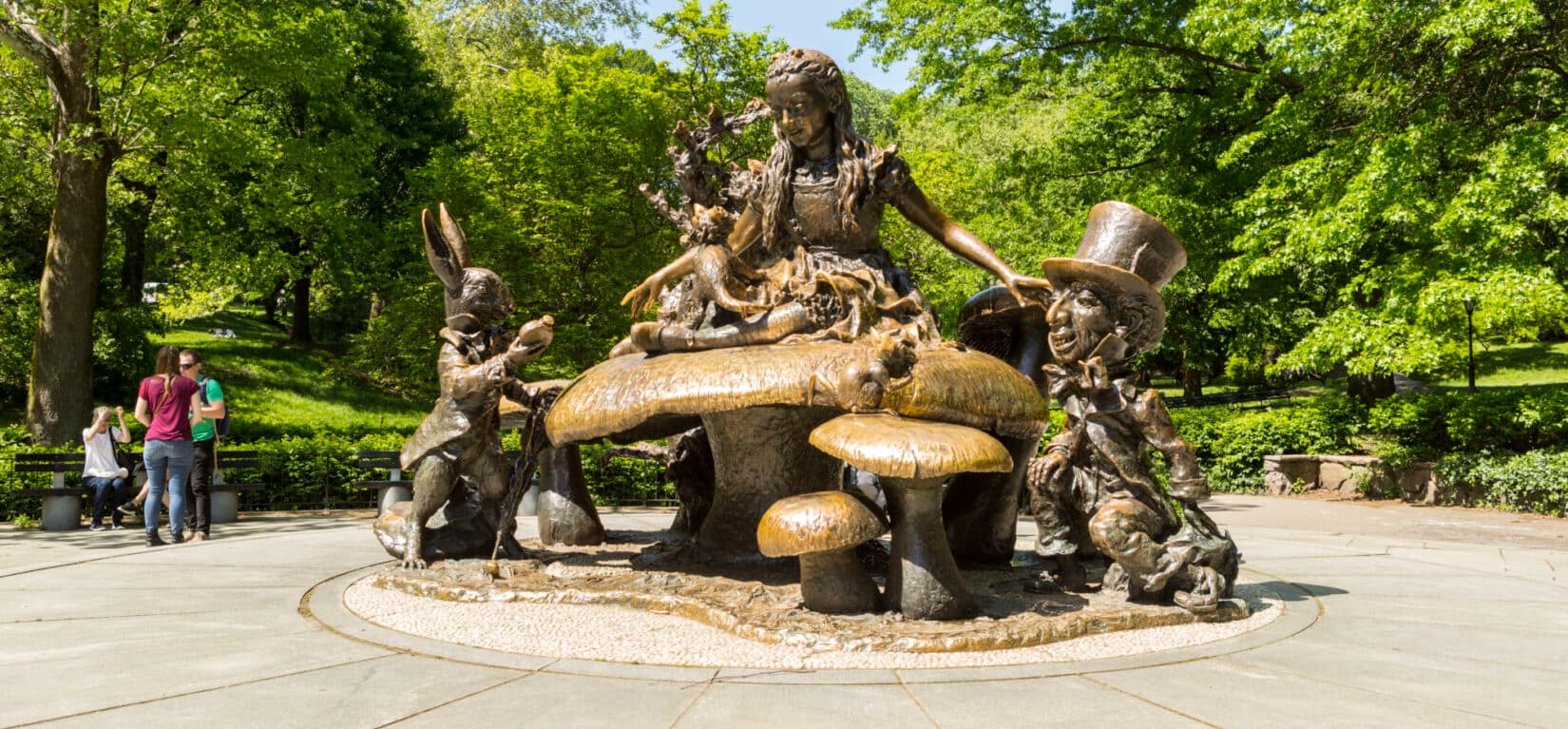
Nestled within the enchanting landscape of Central Park in New York City, the 'Alice in Wonderland' Statue stands as a beloved tribute to Lewis Carroll's timeless tale. Located at the northern end of Conservatory Water, this grand bronze sculpture invites visitors of all ages into a whimsical world of imagination. The statue, standing approximately eleven feet high, features a seated Alice on a giant mushroom, surrounded by iconic characters such as the Mad Hatter, the White Rabbit, the Cheshire Cat, the Dormouse, and Alice's own cat, Dinah. Unlike many public art installations, this interactive sculpture was specifically designed to be touched and climbed upon, making it a unique and cherished playground for children. Its prominent location near the model boat pond makes it a focal point for families exploring the park's eastern side.
History & Cultural Background
The 'Alice in Wonderland' Statue was commissioned by philanthropist and publisher George Delacorte in 1959. It serves as a heartfelt memorial to his late wife, Margarita Delacorte, who passed away in 1956. Margarita was an avid reader of Lewis Carroll's 'Alice's Adventures in Wonderland', a book she frequently read to their children, making it a natural choice for the dedication. The Spanish-born, French-trained sculptor José de Creeft was entrusted with bringing this vision to life. De Creeft meticulously based the figures on the classic illustrations by Sir John Tenniel from the original 1865 edition of Carroll's book.
Dedicated on May 7, 1959, the statue quickly became a symbol of joy and imaginative play in the park. The Modern Art Foundry in Long Island City, Queens, was responsible for casting the intricate bronze sculpture. The surrounding terraced landscape, designed by Hideo Sasaki & Associates, complements the sculpture, creating an immersive setting that encourages interaction and exploration. The 'Alice in Wonderland' Statue was just one of George Delacorte's significant gifts to Central Park, which also include the popular Delacorte Clock and the Delacorte Theater, home to Shakespeare in the Park.
What Makes It Special
What truly sets the 'Alice in Wonderland' Statue apart is its deliberate design for interaction. From its inception, the sculpture was created with the understanding that children would climb, sit, and play on its various elements. This hands-on approach is unusual for public art, fostering an immediate and personal connection between visitors and the artwork. The bronze surface has developed a distinctive sheen and smoothness over the decades, a testament to the countless tiny hands and feet that have polished it through generations of play. This patina tells a story of enduring popularity and engagement, transforming the sculpture into a living, evolving part of the park's history.
The statue's intricate details, reflecting Tenniel's original illustrations, invite close inspection. Alice herself is depicted with a kind expression, while the Mad Hatter stands nearby, and the Cheshire Cat peers playfully over Alice's shoulder. The composition captures a moment from the iconic tea party, bringing a chapter of literary magic to life in the heart of New York City. It stands as a beacon of childhood wonder, celebrating the spirit of curiosity and adventure that Lewis Carroll's stories embody.
Stories, Fun Facts & Local Details
The Alice in the statue bears a striking resemblance to sculptor José de Creeft's own daughter, Donna, who served as his model for the central figure. Adding another personal touch, the Mad Hatter is a charming caricature of the generous donor himself, George Delacorte. Around the base of the sculpture, visitors can find engravings from Lewis Carroll's famous nonsense poem, 'Jabberwocky', which was a particular favorite of Margarita Delacorte. There are also six plaques showcasing Margarita's most cherished moments from 'Alice's Adventures in Wonderland'.
During its installation, staff at the Modern Art Foundry meticulously checked every inch of the bronze for sharp edges to ensure it was completely safe for children to climb, further emphasizing its interactive intent. George Delacorte, when facing initial criticism that the statue lacked a 'practical function', famously shrugged it off, stating, 'What good is the Eiffel Tower? Not everything has to have a practical function. What do we remember about Rome? We remember the fountains and the statues. There has to be a place in life for the eye's pleasure.' This quote perfectly encapsulates the enduring appeal and purpose of the statue—to bring joy and aesthetic pleasure.
Visitor Perspective
For many visiting Central Park, the 'Alice in Wonderland' Statue is a highlight, especially for families. Children are immediately drawn to its inviting forms, eager to scramble onto the mushroom or perch beside Alice and her companions. The experience is often one of unbridled delight, as kids interact directly with the characters of a beloved story. Adults, too, find charm in the intricate details and the nostalgic memories the statue evokes from their own childhoods. The area around Conservatory Water, where the statue is located, offers beautiful views and is a popular spot for relaxing and watching model boats, creating a vibrant atmosphere. It’s a place where literature, art, and play converge, leaving visitors with a sense of wonder and a desire to revisit the magic of Alice's world.
Coordinates: -73.966556, 40.775028
View on Google Maps💬 How Travelers Describe This Place
Based on community votes
Interesting
853Must See
667Unique
190Photogenic
93Beautiful
32
Traveler Stories
Discover memorable experiences shared by travelers who have visited this place.
No traveler stories yet.
Be the first traveler to share what made this place memorable.

Tour
By
Spot
Discover amazing places around the world. Your journey starts here.
Explore
© 2026 TourBySpot. All rights reserved.