Ablution Areas
Astana, Kazakhstan
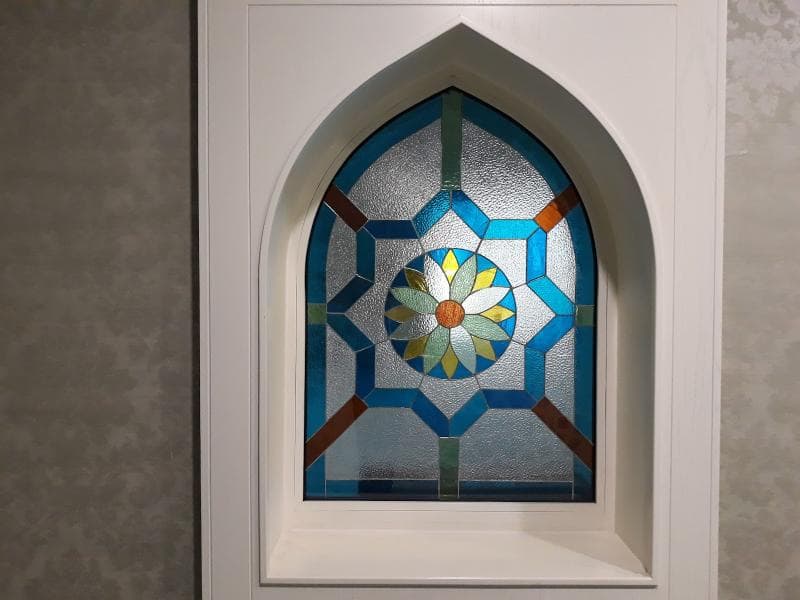
Discover the Ablution Areas of Hazret Sultan Mosque in Astana, Kazakhstan, and understand the cultural significance of wudu in Islamic tradition.
Overview
Nestled in the heart of Astana, Kazakhstan, the Hazret Sultan Mosque stands as a majestic beacon of Islamic architecture and a pivotal center for spiritual life. As one of Central Asia's largest mosques, its grandeur is immediately apparent, with sparkling white marble facades and towering minarets reaching for the sky. Beyond its impressive prayer halls and intricate decorations, the mosque is designed with meticulous attention to the practical and spiritual needs of its worshippers, including dedicated ablution areas. These facilities, known as 'wudu' rooms in Islamic tradition, are essential for the ritual purification performed before prayer, serving as a quiet space for spiritual preparation within this magnificent complex.
The ablution areas are an integral, yet often understated, part of the mosque's thoughtful infrastructure, reflecting the deep importance placed on cleanliness and purity in Islam. They are readily accessible, designed to accommodate the thousands of daily visitors and worshippers who pass through the mosque's doors. Far from being merely utilitarian, these spaces facilitate a profound spiritual practice that underpins Muslim worship, offering a calm environment for reflection and physical cleansing.
History & Cultural Background
The Hazret Sultan Mosque, whose name translates to 'Holy Sultan,' honors Khoja Ahmed Yasawi, a revered Sufi poet and thinker of the 12th century, whose spiritual authority is recognized across the Muslim world. Inaugurated in July 2012, this architectural marvel was constructed over three years, involving numerous masters and utilizing materials from various countries. It masterfully blends classical Islamic architectural principles with traditional Kazakh ornamental motifs, creating a distinctive and harmonized aesthetic.
Culturally, the mosque is more than just a place of worship; it is a symbol of Kazakhstan's spiritual revival and a significant landmark that unites centuries-old traditions with modern achievements. Within this context, the ablution areas play a crucial role, embodying the Islamic concept of 'tahara' or ritual purity. 'Wudu' is an obligatory ritual purification performed before the five daily prayers, involving the washing of specific body parts in a prescribed sequence. It's not merely about physical cleanliness, but also about spiritual purification, preparing the worshipper to stand before God.
What Makes It Special
The ablution areas within the Hazret Sultan Mosque are particularly notable for their capacity and thoughtful design, reflecting the mosque's overall ability to host up to 10,000 believers on holidays. They are modern, spacious, and well-maintained, ensuring that worshippers can perform their 'wudu' with ease and dignity. The provision of such extensive and high-quality facilities underscores the mosque's commitment to facilitating worship for its vast congregation.
Unlike simpler facilities, these ablution rooms are part of a grand complex that also includes madrasah classrooms, a library, and halls for ceremonies, demonstrating a comprehensive approach to spiritual and community life. The integration of these essential facilities within such a monumental and aesthetically rich building highlights the blend of practicality and profound spiritual purpose that defines the Hazret Sultan Mosque.
Stories, Fun Facts & Local Details
While specific 'fun facts' directly about the ablution areas are less common, their existence within the Hazret Sultan Mosque speaks volumes about the meticulous planning behind this architectural masterpiece. The mosque itself is a treasury of interesting details; for instance, its central dome is the largest in Kazakhstan, soaring 51 meters high, and it is framed by four elegant 77-meter minarets. The interior boasts walls lined with white marble, adorned with gold calligraphy, and features a massive three-ton chandelier in the main prayer hall.
The sheer scale of the Hazret Sultan Mosque, covering over 11 hectares, means that every facility, including the ablution areas, is designed to accommodate a significant number of people without feeling cramped. It is said that materials from 11 countries were used in its construction, symbolizing a global effort in creating this spiritual landmark. The presence of well-equipped ablution rooms on the first floor, catering to both men and women, ensures that this spiritual prerequisite is met efficiently for all visitors.
Visitor Perspective
For visitors to the Hazret Sultan Mosque, encountering the ablution areas offers a glimpse into the daily religious practices of Muslims. While general visitors might not use these facilities in the same ritualistic way as worshippers, their presence serves as a constant reminder of the spiritual dedication inherent in Islamic prayer. The mosque is welcoming to tourists, but it's important to observe appropriate etiquette, which includes dressing modestly and maintaining a respectful demeanor, especially in sacred spaces.
When visiting, you'll find that the ablution facilities are clearly signposted and maintained to a high standard, reflecting the overall cleanliness and order of the mosque. Taking a moment to observe the ritual of 'wudu' (from a respectful distance) can enhance one's understanding of Islamic culture and the profound spiritual preparation that precedes prayer. These areas embody the principle that cleanliness is indeed part of faith, offering a serene environment that contributes to the mosque's overarching atmosphere of peace and devotion.
Coordinates: 71.4722, 51.125
View on Google Maps💬 How Travelers Describe This Place
Based on community votes
Unique
995Beautiful
964Photogenic
929Interesting
730Must See
482
Traveler Stories
Discover memorable experiences shared by travelers who have visited this place.
No traveler stories yet.
Be the first traveler to share what made this place memorable.

Tour
By
Spot
Discover amazing places around the world. Your journey starts here.
Explore
© 2026 TourBySpot. All rights reserved.