Ablution Area
Jakarta, Indonesia
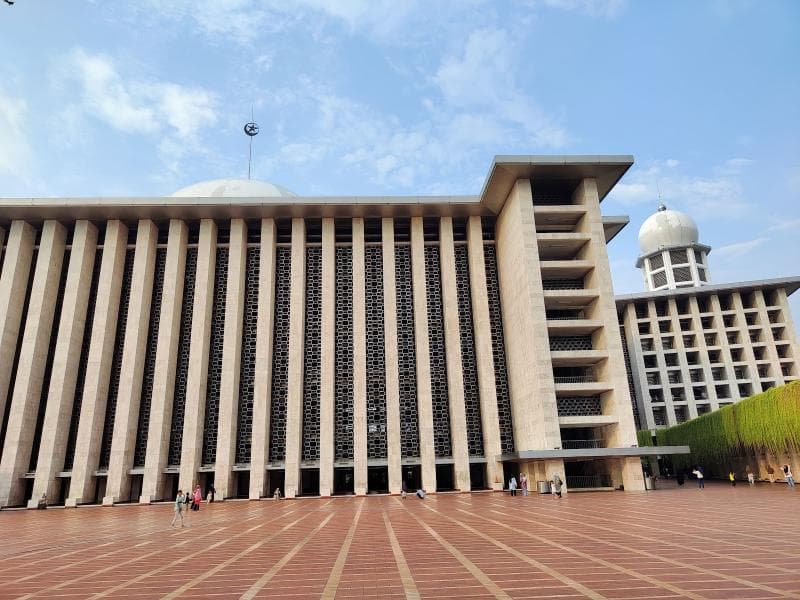
Discover the Ablution Area of Istiqlal Mosque in Jakarta, Indonesia – a modern, sustainable space for ritual purification, reflecting the mosque's blend of faith and eco-consciousness.
Overview
The Ablution Area, or 'Wudu' facilities, at the Istiqlal Mosque in Jakarta, Indonesia, is a crucial component of this grand place of worship, providing essential services for the Muslim faithful before prayer. Situated on the ground floor, conveniently located near the mosque's seven main entrance gates, this area is a testament to both thoughtful design and spiritual devotion. Its design, characterized by a modern, minimalist, and elegant aesthetic, ensures functionality while maintaining a serene atmosphere conducive to ritual purification.
As part of the largest mosque in Southeast Asia, the Ablution Area supports the vast number of worshippers the Istiqlal Mosque accommodates, reflecting the mosque's commitment to facilitating religious duties for its immense congregation. This space is not merely utilitarian; it embodies the Islamic principle of cleanliness and purity, serving as the first step in a worshipper's spiritual preparation for prayer. Travelers visiting the mosque will find these facilities to be meticulously maintained, offering a quiet moment of reflection amidst the bustling city of Jakarta.
History & Cultural Background
The Istiqlal Mosque itself, whose name translates to 'Independence' in Arabic, holds profound historical and cultural significance for Indonesia. Built to commemorate the nation's independence, its construction began in 1961 and was inaugurated in 1978. A remarkable aspect of its history is that its esteemed architect, Frederich Silaban, was a Christian, a choice that powerfully symbolizes Indonesia's commitment to religious harmony and tolerance, a core value enshrined in the nation's Pancasila philosophy.
The ablution facilities have evolved with the mosque. A significant renovation project completed in July 2020 included extensive architectural work on the ablution rooms, alongside other vital areas of the mosque. This refurbishment was not just about modernization but also about enhancing the efficiency and sustainability of these crucial spaces. The history of the Ablution Area, therefore, is intertwined with the mosque's larger narrative of national pride, interfaith understanding, and a forward-looking approach to religious infrastructure.
What Makes It Special
The Ablution Area of the Istiqlal Mosque stands out for its pioneering integration of sustainable architecture principles. It serves as a prime example of how a major religious institution can embrace environmental responsibility. A highlight of this commitment is the implementation of advanced water-saving technologies, including a reverse osmosis system for recycling ablution water. This innovative approach has reportedly led to a significant reduction in water consumption, achieving savings of up to 36%.
Beyond the recycling system, the mosque utilizes efficient fixtures such as dual-flush toilets, water-efficient sink taps, and specially designed urinals, all contributing to a substantial decrease in water wastage. These efforts have positioned Istiqlal Mosque as a global model for 'eco-masjids,' demonstrating a progressive blend of traditional Islamic practices with modern environmental stewardship. The minimalist yet elegant design of the area, combined with these ecological innovations, creates a unique space that is both spiritually purifying and environmentally conscious.
Stories, Fun Facts & Local Details
For Muslims, performing 'wudu' – the ritual washing of the face, hands, and feet – is an essential act of purification before prayer. The Ablution Area provides dedicated spaces for this, with separate sections for men and women, adhering to Islamic customs. An interesting detail lies in the potential reuse of ablution water. While considered minimally contaminated during its initial use, its repurposing for re-ablution remains a topic of nuanced discussion among religious authorities. Nevertheless, this water is effectively recycled for other mosque needs, such as cleaning and watering plants, showcasing a practical approach to resource management.
The seven entrance gates of the mosque, near which the ablution facilities are located, are named after Al-Asmaul-Husna, the 99 names of God in Islam. The number seven itself holds symbolic significance, representing the Seven Heavens in Islamic cosmology. This subtle integration of theological symbolism into the mosque's physical layout, even down to the practical areas, adds another layer of meaning to the visitor's experience.
Visitor Perspective
For a curious traveler, stepping into the Ablution Area offers a unique glimpse into the daily spiritual life of Muslim worshippers. The clean, well-lit, and thoughtfully designed space immediately conveys a sense of respect for the ritual it facilitates. Observing the process of wudu can be a profoundly insightful cultural experience, highlighting the importance of purity and devotion in Islam. The mosque's commitment to sustainability, particularly within these facilities, often impresses visitors, showcasing Indonesia's modern outlook on faith and environmental responsibility.
As with all sacred sites, respectful behavior and appropriate dress are expected. While non-Muslim visitors typically do not use the ablution facilities for ritual purposes, their presence near these areas offers an opportunity to understand a fundamental aspect of Islamic worship. The blend of functionality, modern aesthetics, and ecological innovation makes the Ablution Area not just a practical necessity but also a meaningful part of the overall visit to the magnificent Istiqlal Mosque.
Coordinates: 106.83101, -6.17032
View on Google Maps💬 How Travelers Describe This Place
Based on community votes
Unique
791Interesting
514Beautiful
457Must See
252Photogenic
207
Traveler Stories
Discover memorable experiences shared by travelers who have visited this place.
No traveler stories yet.
Be the first traveler to share what made this place memorable.

Tour
By
Spot
Discover amazing places around the world. Your journey starts here.
Explore
© 2026 TourBySpot. All rights reserved.