272 Steps
Kuala Lumpur, Malaysia
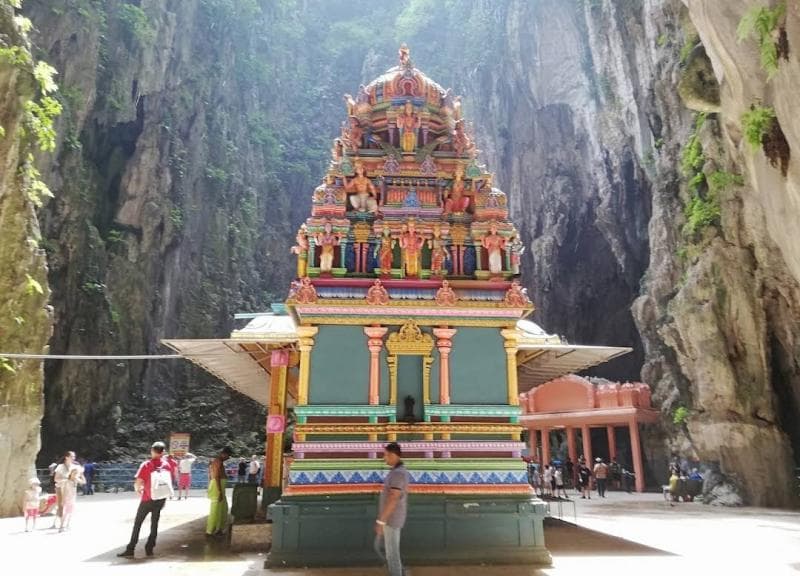
Climb the iconic 272 rainbow-colored steps at Batu Caves in Kuala Lumpur, Malaysia, to discover ancient Hindu temples and breathtaking views.
Overview
The '272 Steps' of Batu Caves in Kuala Lumpur, Malaysia, represent a captivating and often challenging journey to one of Southeast Asia's most significant Hindu shrines. This vibrant, rainbow-colored staircase is not merely a path but an integral part of the spiritual and physical experience of visiting the Temple Cave, also known as Cathedral Cave, nestled within ancient limestone formations. Standing guard at its base is the colossal golden statue of Lord Murugan, a powerful deity in Hinduism, making the entire ascent a visually stunning and spiritually charged event. The steps invite travelers and devotees alike to embark on a memorable climb, offering panoramic views and a profound connection to Malaysian culture and faith.
This iconic stairway gains approximately 100 meters in elevation, leading directly into the cavernous main temple. The physical exertion of the climb, especially amidst Malaysia's tropical heat and humidity, is often described as a symbolic pilgrimage, preparing visitors for the sacred space within. While the main ascent consists of these 272 steps, visitors will find that the journey continues with further exploration inside the impressive cave system.
History & Cultural Background
The history of the 272 Steps is intertwined with the development of Batu Caves as a pivotal Hindu pilgrimage site. Before any formal steps existed, devotees undertook a arduous climb up the steep limestone hillside, gripping onto tree roots and rock faces to reach the cave temples.
The first wooden steps were installed around 1920 to facilitate easier access for pilgrims. However, these proved insufficient against the elements and heavy foot traffic, leading to their replacement with the current concrete structure. By 1940, the 272 concrete steps we see today were firmly in place, constructed with funding partly from the temple selling land and partly from local workers who generously donated a day's wages.
A more recent, dramatic transformation occurred in August 2018, when the steps were repainted in a striking spectrum of rainbow colors. This beautification project instantly elevated the stairway's status, turning it into a global icon and a beloved backdrop for photographs.
Batu Caves itself gained prominence as a Hindu worship site in 1891, when K. Thamboosamy Pillai, a leader in the Tamil Hindu community, dedicated the main cave as a shrine to Lord Murugan. He was inspired by the cave entrance's resemblance to the 'vel', Murugan's divine spear. The annual Thaipusam festival, a vibrant celebration honoring Lord Murugan, has been held here since 1892, attracting hundreds of thousands of devotees who undertake the climb as an act of penance and devotion.
What Makes It Special
The 272 Steps are truly unique, primarily due to their captivating aesthetic and profound spiritual significance. The vibrant rainbow colors, a relatively recent addition, have transformed a functional stairway into an artistic landmark that is instantly recognizable worldwide. Each flight of steps, painted in alternating hues, creates a dazzling visual as it ascends the ancient limestone cliff.
Beyond its visual appeal, the stairway is special because it serves as the gateway to the sacred Temple Cave, a natural wonder that is approximately 400 million years old. This blend of human artistry and natural geological marvel creates a deeply impressive experience. The climb itself, flanked by the majestic 42.7-meter golden statue of Lord Murugan, imbues the journey with a sense of anticipation and spiritual gravity.
It is also a place where nature and devotion coexist. As visitors ascend, they frequently encounter playful macaque monkeys, adding a lively, albeit sometimes mischievous, element to the experience. From the top, the reward is not just the temple but also breathtaking panoramic views of the surrounding Gombak district and, on clear days, even the Kuala Lumpur skyline.
Stories, Fun Facts & Local Details
The 272 Steps hold many intriguing stories and details. One of the most fascinating is that before the current concrete structure, pilgrims courageously scaled the natural rock face. The wooden steps that preceded the concrete ones were also a testament to early efforts to make this sacred site more accessible.
A notable fun fact is the considerable debate and mixed reactions that followed the 2018 decision to repaint the steps in rainbow colors. While some praised the modern and eye-catching transformation, others voiced concerns about its impact on the site's historical and religious authenticity. Nevertheless, the colorful steps have undoubtedly amplified Batu Caves' global popularity.
During the annual Thaipusam festival, the steps become the focal point of an extraordinary spectacle. Hundreds of thousands of Hindu devotees undertake the climb, many carrying elaborate burdens known as 'kavadis', sometimes attached to their bodies with hooks as extreme acts of penance. This intense display of faith is a powerful cultural highlight.
Another interesting detail is the presence of the Dark Cave entrance at approximately step 204. While currently closed for conservation, this cave system is known for its unique ecosystem and rare fauna, including the endangered Batu Caves trapdoor spider.
Visitor Perspective
For most visitors, conquering the 272 Steps is a significant part of the Batu Caves experience. The climb typically takes between 10 to 20 minutes, depending on one's fitness level and how often one pauses to admire the views or take photographs. However, the tropical heat and humidity can make the ascent feel more challenging than simply the step count suggests.
Comfortable, closed-toe shoes with good grip are highly recommended due to the steepness and potential slipperiness from rain or monkey activity. Visitors are also advised to dress modestly, covering their shoulders and knees, out of respect for the sacred site. Sarongs are available for rent if needed.
The journey up is also an opportunity for unique interactions. Macaque monkeys are ubiquitous along the steps, often bold and curious. While their presence adds to the natural charm, it's wise to avoid carrying visible food items, as they are known to snatch snacks. Reaching the top offers a rewarding sense of accomplishment and the chance to explore the expansive Temple Cave, where natural light streams through openings in the cavern ceiling, illuminating Hindu shrines and statues. The panoramic vista from the top provides a lasting memory of this remarkable Malaysian landmark.
Coordinates: 101.6839, 3.2374
View on Google Maps💬 How Travelers Describe This Place
Based on community votes
Beautiful
995Interesting
839Must See
603Unique
388Photogenic
289
Traveler Stories
Discover memorable experiences shared by travelers who have visited this place.
No traveler stories yet.
Be the first traveler to share what made this place memorable.

Tour
By
Spot
Discover amazing places around the world. Your journey starts here.
Explore
© 2026 TourBySpot. All rights reserved.