Zürichhorn Park
Zurich, Switzerland
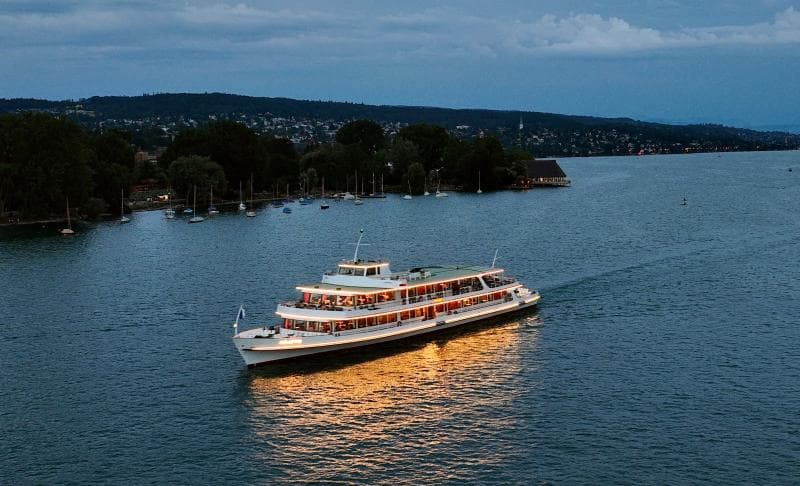
Discover Zürichhorn Park in Zurich, Switzerland – a beautiful lakeside oasis with stunning views, cultural landmarks like the Chinese Garden, and family-friendly activities.
Overview
Zürichhorn Park, officially known as Parkanlage Zürichhorn, is a beloved public green space nestled on the eastern shoreline of Lake Zurich in the Seefeld quarter of Zurich, Switzerland. This expansive park offers a refreshing escape with its beautiful lake access and stunning panoramic views of Lake Zurich and the distant Alps. It serves as a popular destination for both locals and curious travelers, providing a serene environment for relaxation and a wide array of activities. As a free, open-access area, Zürichhorn Park invites visitors to enjoy its well-maintained grounds, perfect for leisurely strolls, picnics, and engaging in various outdoor pursuits.
The park’s landscape is characterized by wide lawns that gently slope towards the lake, shaded promenades, and pebbled beaches, creating an inviting atmosphere for visitors to unwind and enjoy the natural beauty of the Swiss landscape. Its diverse offerings, from natural tranquility to cultural landmarks, make it a distinctive and enriching part of the city’s waterfront.
History & Cultural Background
The origins of Zürichhorn Park are rooted in a natural phenomenon: it is a river delta formed over centuries by the Hornbach stream, which deposited sediment into the lower basin of Lake Zurich. This geological history explains the gentle elevation at the tip of the 'horn' and the softer, flatter terrain along the shore.
The transformation into a public park began in the late 19th century. During this period, the City of Zurich embarked on a significant urban development project to make its lakeshores publicly accessible. City engineer Arnold Bürkli is strongly associated with these 'quay works,' which replaced private lake edges with promenades and parks, fundamentally changing how Zurich engaged with its lakefront. The Hornbach stream itself was rerouted around 1879-1881 to prevent flooding and facilitate the park's expansion.
Zürichhorn has also played a notable role in Swiss national events. It was a site for the Schweizerische Landesausstellung 1939 (Swiss National Exhibition, often called 'Landi '39'), which showcased Swiss unity and technical confidence on the eve of World War II. Later, it hosted parts of Expo 1964.
Adding to its cultural tapestry are two significant landmarks. The Chinese Garden, inaugurated in 1994, was a heartfelt gift from Zurich’s sister city, Kunming. It expressed gratitude for Zurich’s technical and scientific assistance in developing Kunming’s drinking water supply and urban drainage system. Nearby stands the Pavillon Le Corbusier, also known as the Centre Le Corbusier or Heidi Weber Museum. This striking building, commissioned by art patron Heidi Weber and designed by the renowned French-Swiss architect Le Corbusier, opened in 1967. It was Le Corbusier's last completed work, intended to house and exhibit his art in an ideal environment of his own creation.
What Makes It Special
Zürichhorn Park is distinguished by its unique blend of natural splendor, recreational opportunities, and cultural depth. Its most striking feature is the unobstructed view it offers of Lake Zurich, extending towards the majestic Swiss Alps, making it a photographer's delight, especially at sunset.
For those seeking active leisure, the park provides free access to Lake Zurich for swimming at various points, paddleboat rentals during summer, and ample space for walking, cycling, and picnicking on its expansive meadows like the Blatterwiese (also known as Chinawiese). Public grills are available for communal use, fostering a relaxed, community-oriented atmosphere.
Culturally, the park boasts several notable attractions. Jean Tinguely's kinetic sculpture 'Heureka,' originally created for Expo 1964, stands near the lake. Its clanking, mechanical movements provide an intriguing contrast to the peaceful natural surroundings. The exquisite Chinese Garden, with its traditional architecture, tranquil pond, pavilions, and carefully arranged rocks and plants, offers a contemplative experience. The distinct Pavillon Le Corbusier, with its modular steel and colorful enamel panels, presents a fascinating architectural statement, showcasing the visionary work of a modernist master.
Families are particularly drawn to Zürichhorn Park for its child-friendly amenities, including well-equipped playgrounds that provide entertainment for younger visitors.
Stories, Fun Facts & Local Details
The very name 'Zürichhorn' derives from its geography – a horn-shaped point on the eastern shore of Lake Zurich. The 'Heureka' sculpture by Jean Tinguely is more than just a static piece; its deliberate clatter and industrial motion are an integral part of its artistic expression, turning the language of industry into a performative art that often surprises passersby.
The Chinese Garden is not just a beautiful replica but is considered a 'temple garden' and ranks among the highest-regarded Chinese gardens outside of China, built with meticulous attention to traditional design principles. It embodies the concept of 'three friends in the winter' – pine, bamboo, and winter cherry – symbolizing endurance through hardship. The Pavillon Le Corbusier holds a unique place in architectural history as the last building designed by Le Corbusier himself, representing a culmination of his lifelong exploration of modular design and material innovation.
Another interesting feature is the 'Kugelbrunnen,' a granite ball fountain that was a relic from the 1984 Phenomena exhibition, where a 1000-kilogram sphere can be moved with surprising ease due to water pressure beneath it. Visitors can also find the Restaurant Fischstube within the park, a historic establishment built for the 1939 national exhibition, notable for being one of the few buildings in Zurich with a thatched roof. These details contribute to the park's rich character, making it a place where history, art, and nature converge in delightful ways.
Visitor Perspective
Zürichhorn Park welcomes visitors with free admission and is generally open 24 hours a day, offering flexibility for exploration at any time. For a more tranquil experience, it is often recommended to visit during the shoulder seasons or on weekdays, as weekends, especially in summer, can attract larger crowds. The park is particularly enchanting around sunset, when the views over the lake and Alps are exceptionally picturesque.
Accessibility is a key advantage; the park can be easily reached by a scenic walk from the city center, offering beautiful views along the lake promenade. Public transport options are convenient, with trams and buses serving stops like 'Chinagarten' or 'Fröhlichstrasse,' placing you directly at or near the park entrance. Lake boats also provide a charming way to arrive at Zürichhorn.
Visitors can enjoy a refreshing dip in Lake Zurich, relax with a picnic on the lush meadows, or simply take a leisurely stroll along the waterfront paths. While the park itself is free, some specific attractions like the Chinese Garden may have a separate, small admission fee, and certain bathing areas might have seasonal opening hours or entry charges. It is advisable to check current information for these specific facilities when planning a visit. Zürichhorn Park offers an authentic glimpse into local life, frequently visited by Zurich residents, making it a place to experience the city at a relaxed pace.
Coordinates: 8.5505608333, 47.3530366667
View on Google Maps💬 How Travelers Describe This Place
Based on community votes
Photogenic
836Must See
287Interesting
255Beautiful
231Unique
86
Traveler Stories
Discover memorable experiences shared by travelers who have visited this place.
No traveler stories yet.
Be the first traveler to share what made this place memorable.

Tour
By
Spot
Discover amazing places around the world. Your journey starts here.
Explore
© 2026 TourBySpot. All rights reserved.