Zurich Zoo
Zurich, Switzerland
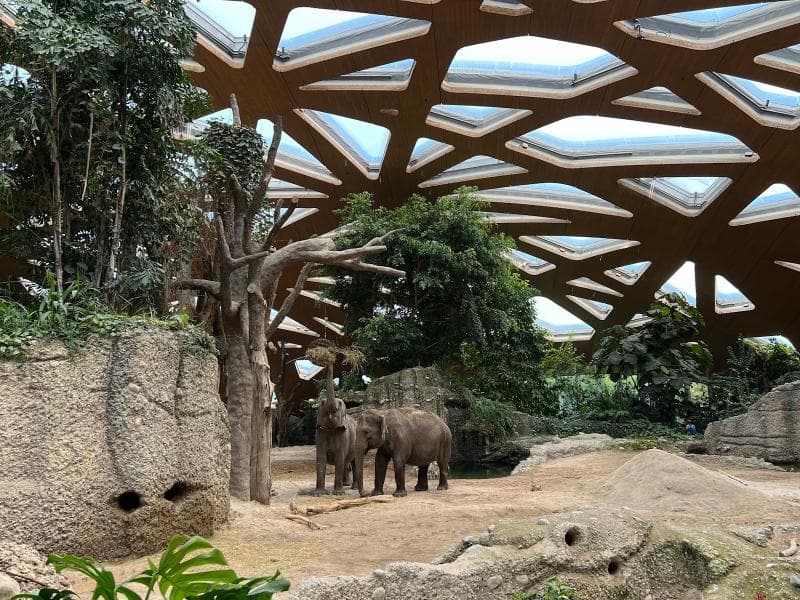
Explore Zurich Zoo in Zurich, Switzerland, a leading conservation center featuring the immersive Masoala Rainforest and expansive Lewa Savanna. Discover diverse species and learn about global wildlife protection.
Overview
Perched on the scenic slopes of the Zürichberg, Zurich Zoo in Zurich, Switzerland, offers a captivating journey into the animal kingdom. Opened in 1929, it has evolved into a modern, scientifically managed institution focused intently on nature and species preservation. The zoo is a cultural institution, acting as an ambassador between humans, animals, and nature, inspiring fascination and motivating active engagement in conservation efforts. Spanning approximately 27 hectares, it provides near-natural habitats for around 4,500 animals representing over 375 species, creating immersive experiences that bring visitors closer to wildlife.
Its location high above the rooftops of Zurich, surrounded by greenery, makes it a serene escape easily accessible from the city center. Zurich Zoo is renowned for its commitment to creating environments that closely mimic the natural homes of its inhabitants, replacing traditional cages with spacious enclosures and entire recreated ecosystems.
History & Cultural Background
The vision for Zurich Zoo began in 1925 with the founding of the Zurich Zoological Garden Society, culminating in the official opening on September 7, 1929. From its early days, the zoo embraced a mission to educate the public about conservation challenges. A significant shift towards a more scientific approach occurred with the appointment of zoologist Prof. Dr. Heini Hediger as director in 1954. He introduced innovations like informative 'Hediger boards' at enclosures, a system widely adopted by other zoos.
Over the decades, Zurich Zoo expanded through thoughtful design and collaboration with international conservation organizations. A master plan outlined in 1993 aimed to transform the zoo into a leading nature conservation center, shifting the focus from merely displaying animals to presenting entire ecosystems. This plan guided the development of major exhibits, emphasizing species protection, nature conservation, education, and research as its four core pillars.
What Makes It Special
Zurich Zoo stands out due to its groundbreaking, large-scale ecosystem exhibits that transport visitors to different parts of the world. The Masoala Rainforest, opened in 2003, is a prime example. This immense hall, 120 meters long, 90 meters wide, and 30 meters high, meticulously recreates a slice of Madagascar's lowland rainforest. Inside, birds fly freely, lemurs roam, and exotic plants thrive in a humid, hot climate, offering a truly immersive experience where visitors can observe around 40 vertebrate species and over 500 plant species in a naturalistic setting.
Another highlight is the Lewa Savanna, which opened in June 2020. This expansive 5.6-hectare exhibit was developed in partnership with the Lewa Wildlife Conservancy in Kenya. It provides generous open spaces for African wildlife like white rhinos, reticulated giraffes, Grevy's zebras, and impalas to live side-by-side, mimicking the East African plains. The exhibit aims to raise awareness about the threats to wildlife and highlights the zoo's commitment to in-situ conservation efforts. The Kaeng Krachan Elephant Park, home to Asian elephants, further exemplifies the zoo's dedication to creating large, naturalistic habitats.
The zoo's overarching philosophy is 'Those who know animals will protect them,' actively involving itself in international breeding programs and supporting eight nature conservation projects worldwide, contributing over 2.5 million Swiss francs annually.
Stories, Fun Facts & Local Details
Zurich Zoo is home to Nigrita, a Galapagos giant tortoise who is one of its oldest residents, having lived at the zoo since 1946 and being over 85 years old. The zoo has also made scientific contributions, such as in 2005, when lemurs caught for the zoo, initially thought to be mouse lemurs, were later identified as a new species: Goodman's mouse lemur. Its commitment to conservation extends to unique achievements like being the first European institution to successfully breed Galápagos tortoises, sending babies to dozens of other zoos.
During the winter season, when temperatures drop below 10°C, visitors can enjoy the charming King Penguin Parade, adding a delightful local touch to the experience. The Masoala Rainforest itself is part of a larger conservation project, with the zoo actively supporting reforestation, sustainable agriculture, and education in Madagascar, growing tree seedlings in nurseries both in Zurich and Madagascar for reintroduction into the wild.
Visitor Perspective
A visit to Zurich Zoo offers a fascinating journey for both adults and children. The zoo's layout encourages exploration through varied landscapes, from the humid Masoala Rainforest to the expansive Lewa Savanna. While paths wind through genuine woodland, visitors should be prepared for some inclines due to its hillside location on the Zürichberg. It's recommended to set aside at least 3 to 5 hours to fully experience the zoo's diverse offerings without feeling rushed.
The zoo is open 365 days a year, with seasonal opening hours; typically from 9 AM to 6 PM during warmer months and closing at 5 PM in winter. The immersive exhibits mean visitors can get up close to animals without the barrier of traditional cages, fostering a deeper connection and appreciation for wildlife. Educational programs and guided tours further enhance the experience, providing insights into animal behavior and the importance of biodiversity.
Coordinates: 8.574530698147836, 47.38719338006814
View on Google Maps💬 How Travelers Describe This Place
Based on community votes
Photogenic
953Unique
695Beautiful
396Must See
286Interesting
22
Traveler Stories
Discover memorable experiences shared by travelers who have visited this place.
No traveler stories yet.
Be the first traveler to share what made this place memorable.
Things to see at Zurich Zoo



Tour
By
Spot
Discover amazing places around the world. Your journey starts here.
Explore
© 2026 TourBySpot. All rights reserved.