Xintiandi
Shanghai, China
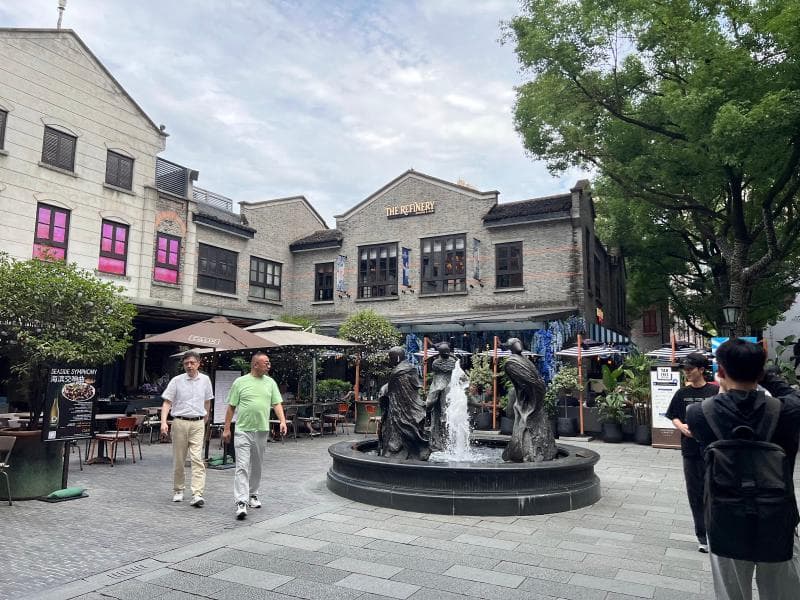
Discover Xintiandi in Shanghai, China – a unique district blending historic Shikumen architecture with modern lifestyle, dining, and culture. Explore its charming streets and vibrant history.
Overview
Nestled within the former French Concession in Shanghai, China, Xintiandi is a captivating pedestrian area that artfully blends the city's rich past with its vibrant present. The name 'Xintiandi' itself translates to 'New Heaven and Earth' or 'New World', a fitting moniker for a place that offers a fresh perspective on traditional Shanghai life. [6, 11] It stands as a testament to innovative urban renewal, transforming historic architecture into a dynamic cultural and lifestyle hub. [13, 14]
This unique destination is renowned for its 'Shikumen' (stone-gate) houses, a distinctive residential architectural style that emerged in Shanghai during the late 19th and early 20th centuries. [2, 7] While the exteriors of these traditional buildings have been meticulously preserved, their interiors have been reimagined to house an array of modern amenities, including international restaurants, chic boutiques, art galleries, and cafes. [2, 3, 5]
History & Cultural Background
The story of Xintiandi is deeply intertwined with Shanghai's colonial past and its subsequent transformation. The Shikumen houses, which form the architectural backbone of Xintiandi, first appeared around the 1870s, primarily in the concessions. [2] They represent a unique fusion of Chinese residential layouts and Western architectural elements, characterized by solid-wood doors framed in stone. [2, 7] These homes initially accommodated a growing population, including wealthy individuals who sought refuge in the French Concession during times of unrest. [2]
Around the turn of the millennium, the Hong Kong developer Shui On Group embarked on a groundbreaking urban redevelopment project for the area. [3, 5] Instead of demolishing the old, rundown Shikumen residences, they opted for a conservation approach, preserving the charming century-old exteriors while modernizing the interiors. [3, 13, 15] This innovative 'retro exterior, modern interior' model was a significant departure from traditional urban renewal, earning Xintiandi international recognition and several architectural and urban planning awards. [3, 13, 15, 17]
Culturally, Xintiandi holds significant historical weight as the site of the First National Congress of the Communist Party of China in 1921, marking a pivotal moment in modern Chinese history. [4, 8, 15]
What Makes It Special
Xintiandi's distinctiveness lies in its seamless integration of heritage and modernity. The area is divided into two main blocks: the North Block and the South Block. [7] The North Block predominantly features antique Shikumen buildings, their charming facades housing upscale international restaurants and unique boutiques. [3, 7] The South Block, while still incorporating Shikumen elements, presents a more contemporary architectural style, often characterized by modern structures with glass facades that house global eateries, fashion shops, cinemas, and fitness centers. [2, 3, 5]
This thoughtful design allows visitors to 'experience the flavor of both Shanghai in the 1920s and the current lifestyle of citizens of the 21st century' within a single stroll. [2, 7] It has become a model for urban redevelopment, showcasing how historical structures can be revitalized to serve modern functions without losing their original charm. [3, 4, 13]
Stories, Fun Facts & Local Details
The visionaries behind Xintiandi aimed to create a 'New World' by challenging the uniform urban experience and injecting fashionable elements into preserved architecture. [13] The careful restoration involved a global design team, dedicated to maintaining the original appearance of the walls, bricks, tiles, and alleyway layouts. [15] This commitment ensured that despite its modern amenities, the essence of old Shanghai's 'lilongs' (alleyway communities) was retained. [20]
Xintiandi is a pedestrian-only area within its core, allowing for leisurely exploration. [6] It's common to see locals and expatriates enjoying alfresco dining at European-style cafes, contributing to a vibrant, cosmopolitan atmosphere. [6, 11] The district is not merely a shopping and dining complex; it's a dynamic cultural and social destination where events, fashion shows, and art exhibitions frequently take place, showcasing local designers and fostering community interaction. [13, 26]
Visitor Perspective
For a curious traveler, Xintiandi offers a unique, immersive experience. Walking through its cobblestone streets and narrow alleyways, you are transported to a bygone era, yet every corner reveals a contemporary buzz. [5, 10] It's an ideal place to spend an afternoon or evening, whether you're seeking a leisurely meal, a distinctive shopping experience, or simply a captivating stroll. [11, 14]
Visitors can delve deeper into the area's history by exploring the Shikumen Open House Museum, which offers a glimpse into what a Shikumen home looked like in the 1920s and 1930s. [8, 11] The Site of the First National Congress of the Communist Party of China provides significant historical context. [4, 8] Xintiandi, with its blend of restored architecture and modern vibrancy, provides a poignant insight into how Shanghai honors its past while confidently embracing the future. [4, 14]
Coordinates: 121.4581, 31.2222
View on Google Maps💬 How Travelers Describe This Place
Based on community votes
Photogenic
996Must See
953Beautiful
658Interesting
585Unique
69
Traveler Stories
Discover memorable experiences shared by travelers who have visited this place.
No traveler stories yet.
Be the first traveler to share what made this place memorable.

Tour
By
Spot
Discover amazing places around the world. Your journey starts here.
Explore
© 2026 TourBySpot. All rights reserved.