Wukang Road
Shanghai, China
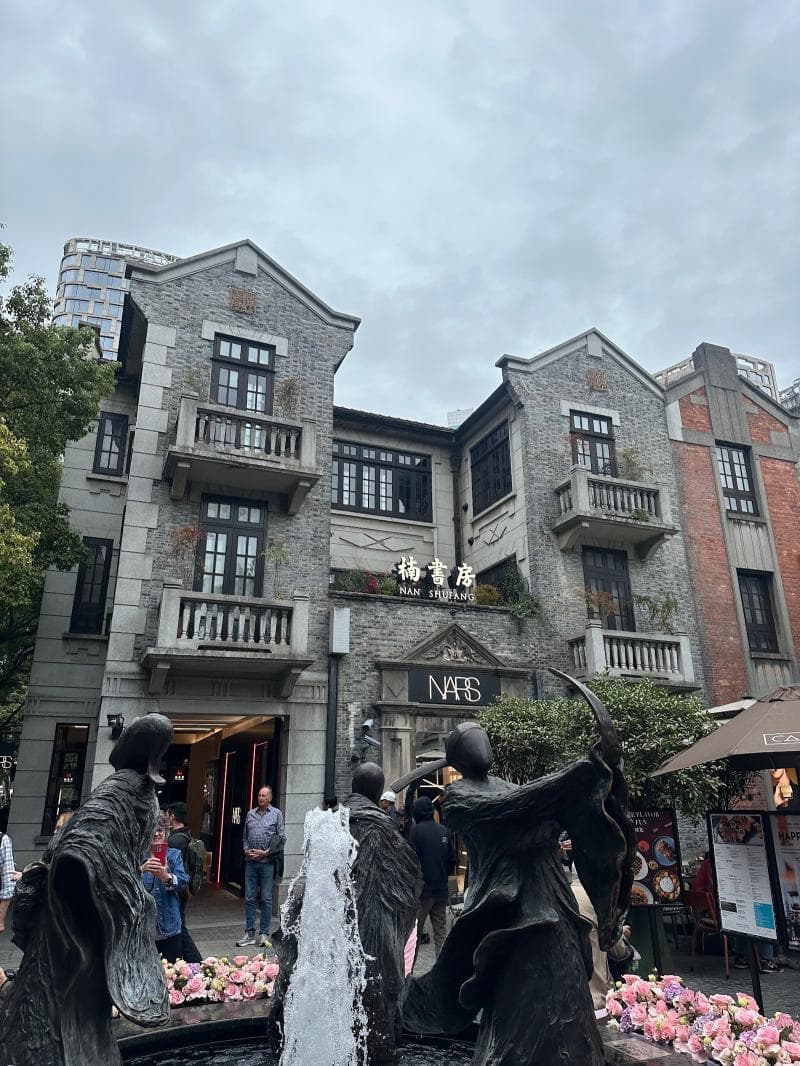
Explore Wukang Road in Shanghai, China, a historic street in the French Concession famed for its European architecture, celebrity residences, and charming cafes.
Overview
Wukang Road, nestled within the charming former French Concession of Shanghai, China, is far more than just a street; it is a living museum, a historical narrative etched in stone and shaded by towering plane trees. Stretching approximately 1.2 kilometers, this picturesque thoroughfare, originally known as Route Ferguson, captivates visitors with its unique blend of architectural grandeur, tranquil atmosphere, and rich cultural tapestry. Recognized in 2011 as one of China's National Historic and Cultural Streets, Wukang Road offers a serene escape from the city's bustling pace, inviting leisurely strolls through a bygone era.
History & Cultural Background
The story of Wukang Road begins in 1907, when it was established as Route Ferguson. It was built by American educator John Calvin Ferguson, then president of Nanyang Public School, to facilitate access for his colleagues and students. In 1914, the western district, including this road, was officially incorporated into the French Concession, leading to its transformation into a prestigious neighborhood influenced by French urban planning principles. The road was renamed Wukang Road in 1943, adopting the name of a county in Zhejiang province.
During the tumultuous 'island period' following the Battle of Shanghai in 1937, the French Concession, including Wukang Road, became a refuge for many wealthy individuals and intellectuals, shielded from Japanese occupation. This influx contributed significantly to the area's economic and cultural development, fostering what is known as 'Haipai' culture – a unique blend of traditional Chinese and Western influences. Over the decades, Wukang Road earned its moniker as a 'celebrity road,' having been home to an impressive number of notable figures, from politicians and writers to film stars, whose legacies are intertwined with the street's identity.
What Makes It Special
Wukang Road's allure lies in its extraordinary architectural diversity and its verdant, tree-lined avenues. It boasts 37 officially protected historic buildings, with some estimates putting the total of outstanding historical buildings at over 50. These structures showcase a captivating array of styles, including Mediterranean, French Renaissance, English, Spanish garden houses, and Art Deco, each telling a silent story of Shanghai's cosmopolitan past.
The iconic Wukang Building, formerly known as Normandie Apartments, stands as a prominent landmark at the southern end of the road. Designed by the renowned Hungarian-Slovak architect László Hudec and completed in 1924, this wedge-shaped edifice is often likened to New York's Flatiron Building or a grand ship. It was Shanghai's first veranda-style apartment building and has housed numerous celebrities. Beyond this architectural marvel, visitors can discover the former residences of luminaries like writer Ba Jin at 113 Wukang Road and revolutionary Huang Xing at 393 Wukang Road, contributing to the street's profound historical resonance. Ferguson Lane, at 376 Wukang Road, offers a charming enclave of shops, cafes, and galleries, providing a glimpse into the street's evolving cultural scene.
Stories, Fun Facts & Local Details
Wukang Road is rich with anecdotes and cultural touchstones. The striking Wukang Building, despite its initial grandeur, acquired a poignant nickname, 'The Diving Board,' during the Cultural Revolution, a somber reflection of the tragic events of that period. Its distinctive 'ship-like' form, especially when viewed from certain angles, has inspired urban legends, though the idea of it commemorating a WWI battleship is a popular misconception. The road's elegant scenery has also graced the silver screen, notably appearing in Ang Lee's 2007 film 'Lust, Caution,' and features in Chen Danyan's novel 'Shanghai Memorabilia,' solidifying its place in popular culture.
Many prominent individuals chose Wukang Road as their home, leading to its reputation as a 'celebrity street.' This residential history lends an intimate feeling to the area, as if the stories of these figures still whisper among the London plane trees. The growth of cafes, boutiques, and art spaces has added a modern, vibrant layer to its historical charm, transforming it from a quieter, less-known lane into a beloved cultural landmark that beautifully marries the past with contemporary Shanghai life.
Visitor Perspective
For the curious traveler, Wukang Road offers an immersive experience best savored on foot. The best times to visit are early morning (8–11 am) or late afternoon (4–6 pm) to enjoy softer light for photography and fewer crowds, enhancing the tranquil atmosphere. Autumn is particularly enchanting when the wutong leaves turn a spectacular golden hue, creating a cinematic backdrop for a leisurely stroll. While exploring, it's important to remember that many of the beautiful villas are private residences, so respectful behavior is appreciated. A tourist information center at 393 Wukang Road provides resources for self-guided walking tours, helping visitors uncover the myriad stories hidden within this historic street. Whether you are drawn by the unique architecture, the echoes of history, or the contemporary cafe culture, Wukang Road provides a captivating glimpse into the soul of Shanghai.
Coordinates: 121.4383, 31.2045
View on Google Maps💬 How Travelers Describe This Place
Based on community votes
Must See
839Interesting
445Photogenic
416Beautiful
289Unique
141
Traveler Stories
Discover memorable experiences shared by travelers who have visited this place.
No traveler stories yet.
Be the first traveler to share what made this place memorable.

Tour
By
Spot
Discover amazing places around the world. Your journey starts here.
Explore
© 2026 TourBySpot. All rights reserved.