Wood Carvings
Yerevan, Armenia
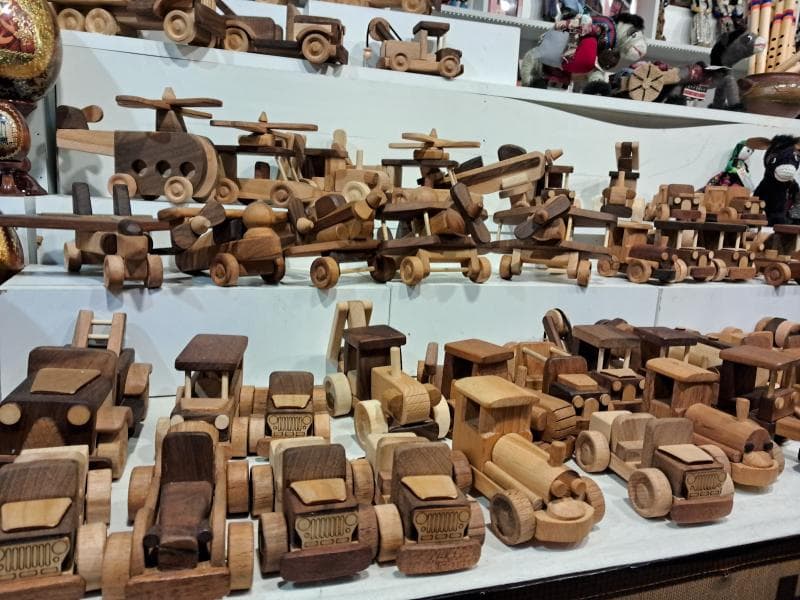
Discover exquisite Armenian wood carvings at Yerevan's Vernissage Market. Explore intricate khachkars, traditional art, and cultural symbols. [city: Yerevan, country: Armenia]
Overview
Stepping into the Wood Carvings section of Yerevan's Vernissage Market is like walking through a living gallery of Armenian heritage. This vibrant open-air market, located near Republic Square, is a treasure trove of authentic Armenian craftsmanship, especially renowned for its intricate wood carvings. The market itself blossomed in the 1980s from an informal gathering of artists, evolving into a crucial cultural and commercial hub in the heart of Yerevan. Among the myriad of items available, the wood carvings stand out, showcasing the enduring artistic traditions of the Armenian people.
Visitors to Vernissage will discover a diverse array of wooden artifacts, ranging from decorative pieces to functional items, all imbued with distinct Armenian flair. These carvings offer a tangible connection to the country's rich history and spiritual depth, making them not just souvenirs but meaningful keepsakes. The Wood Carvings area provides an immersive experience, allowing travelers to observe the detailed work and artistic expression that define this ancient craft.
History & Cultural Background
Armenian wood carving boasts a history as rich and ancient as the nation itself. For centuries, wood was a fundamental material in Armenian daily life and artistry, adorning traditional homes with elaborately carved pillars, furniture, and various household utensils. This craft was not merely aesthetic; many wooden items, such as special amulets known as 'daghdaghan', were believed to possess protective powers against the evil eye.
The craft, while facing challenges with industrialization, experienced a significant revival and continues to thrive, partly thanks to dedicated institutions like the Museum of Woodcarving in Yerevan, founded by Henrik Solakhyan in 1977. Solakhyan's work, and that of artists like Vahagn Amiryan, has been instrumental in preserving and advancing Armenian wood carving traditions, nurturing new generations of craftsmen. The Vernissage Market itself played a pivotal role in this cultural resurgence, emerging in the 1980s as a platform for local artists and artisans to display and sell their creations. It gained even greater significance after the devastating 1988 earthquake, becoming a symbol of resilience and a space for community support.
What Makes It Special
What sets Armenian wood carvings apart is their profound connection to the nation's spiritual and artistic identity. The intricate patterns often mirror the designs found on Armenia's iconic *khachkars*, or cross-stones, which are renowned for their elaborate interlaced motifs. These carvings frequently feature sacred symbols such as grapevines, pomegranates, birds, and the 'tree of life', all of which carry deep cultural and religious significance. The pomegranate, for instance, is a beloved national symbol representing fertility and prosperity.
The range of items is impressive. Beyond decorative panels and sculptures, visitors will find meticulously carved backgammon sets – a nod to the region's strong backgammon culture – as well as unique Bible covers, delicate spoon boxes, and utilitarian ladles, each piece telling a story through its design. The skill and dedication evident in these hand-carved items highlight a continuous artistic lineage that blends ancient motifs with contemporary interpretations, ensuring that no two pieces are exactly alike.
Stories, Fun Facts & Local Details
The name 'Vernissage' itself offers a charming glimpse into the market's origins; it's a French term meaning 'private viewing of an art exhibition', reflecting the market's initial role as an artistic showcase. One captivating aspect of traditional Armenian homes was the 'mother column', a main pillar that was not only structurally vital but also ritually significant, often decorated with protective amulets and serving as a focal point for family rites.
When exploring the wood carvings, look for pieces featuring the ubiquitous pomegranate. This fruit is more than just a design element; ethnographers confirm its ancient role in Armenian tradition as a powerful symbol of fertility, abundance, and protection. Engaging with the vendors can also be a highlight. Many artisans are direct creators of the pieces, offering insights into their craft, the stories behind the symbols, and even the type of wood used. It's a unique opportunity to connect with the living history and skilled hands that continue these traditions.
Visitor Perspective
For visitors, exploring the Wood Carvings at Vernissage Market is an unforgettable experience. The market is most vibrant on Saturdays and Sundays, operating year-round, with the best atmosphere and selection typically found in the morning, between 9 and 11 am, before the largest crowds arrive. It's easily accessible, located just a short walk from Republic Square metro station.
When purchasing, travelers should be prepared for a lively market environment. While some fixed-price shops exist, bargaining is a common and expected part of the interaction with most vendors, especially for larger items. It's advisable to carry Armenian Dram (AMD) in cash, as many smaller stalls do not accept card payments. Distinguishing genuine hand-carved works from mass-produced items is key; a higher price often indicates authentic craftsmanship. Taking the time to observe the details, engage with the artisans, and understand the cultural significance of each piece will undoubtedly enrich your visit to this dynamic cornerstone of Yerevan's cultural landscape.
Coordinates: 44.5152, 40.1764
View on Google Maps💬 How Travelers Describe This Place
Based on community votes
Beautiful
703Photogenic
646Interesting
380Unique
291Must See
28
Traveler Stories
Discover memorable experiences shared by travelers who have visited this place.
No traveler stories yet.
Be the first traveler to share what made this place memorable.

Tour
By
Spot
Discover amazing places around the world. Your journey starts here.
Explore
© 2026 TourBySpot. All rights reserved.