Whale Shark exhibit
Osaka, Japan
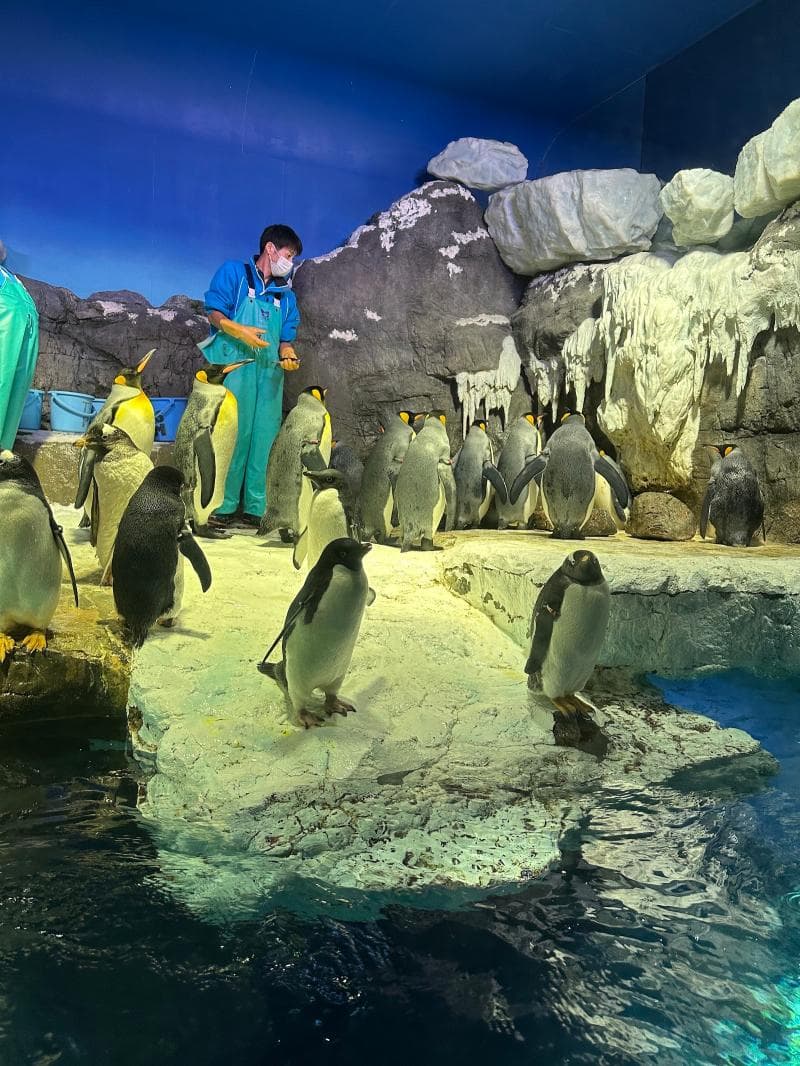
Discover the Whale Shark exhibit at Osaka Aquarium Kaiyukan in Osaka, Japan. Explore the massive Pacific Ocean tank and learn about these gentle giants.
Overview
The Whale Shark exhibit is the crown jewel of the Osaka Aquarium Kaiyukan, one of the world's largest public aquariums, nestled in the vibrant Osaka Bay Area of Japan. This immersive experience centers around the colossal Pacific Ocean tank, a multi-story habitat that replicates the vastness of the Pacific. Visitors embark on a unique journey, descending a spiraling ramp that allows for views of the exhibit from various depths and perspectives, mimicking a dive through ocean layers. The Kaiyukan is renowned for its dedication to showcasing marine life from the Pacific Rim, reflecting the 'Ring of Fire' and 'Ring of Life' concepts, making the whale shark encounter a profound highlight of any visit.
History & Cultural Background
Opened in May 1990, the Osaka Aquarium Kaiyukan quickly established itself as a pioneering institution in marine exhibition and conservation. Its core concept, influenced by the Gaia hypothesis, posits that all living things and the Earth itself are interconnected, forming a single, living organism. This philosophy is reflected in the aquarium's design, which meticulously recreates diverse natural environments around the Pacific Rim. The Kaiyukan plays a significant role in scientific research and conservation, notably through programs like tracking whale shark migration routes after their release into the wild. Their research center in Tosashimizu City, Kochi Prefecture, houses and studies various marine creatures, including whale sharks, before they are displayed at the main aquarium.
What Makes It Special
The centerpiece of the Kaiyukan, and home to the majestic whale sharks, is the Pacific Ocean tank. This immense habitat stands an impressive 9 meters deep, extends 34 meters in length, and holds a staggering 5,400 tons of water. It is one of the largest aquarium tanks globally, providing ample space for its inhabitants. Typically, the Kaiyukan houses two whale sharks, an older male and a younger female, alongside a diverse array of other large marine species, including manta rays, hammerhead sharks, and schooling fish. The unique spiral layout of the aquarium ensures that visitors encounter these magnificent creatures repeatedly, witnessing their graceful movements from different vantage points, from surface views to the deepest windows where they glide past within arm's reach. After 5 PM, the aquarium transforms into a 'Night Aquarium,' where altered lighting creates a tranquil, moonlit ambiance, offering a different perspective on the marine inhabitants.
Stories, Fun Facts & Local Details
The whale sharks at Kaiyukan often carry endearing traditional names: males are typically called 'Kai-Kun' (or sometimes 'Umi-Kun') and females 'Yuu-Chan'. These names persist even as individual sharks are replaced, fostering a lasting connection with visitors. The aquarium is deeply involved in whale shark research, using tracking devices on released sharks to study their migration patterns, contributing valuable data to the understanding of these mysterious giants. A popular highlight for many visitors is witnessing the whale shark feeding times, which usually occur twice daily. During these sessions, often around 10:20-11:00 AM and 3:00-3:30 PM, the whale sharks are fed at the ocean's surface, offering an impressive spectacle from the upper levels of the tank. Alternatively, observing them 'treading water' and consuming food from the lower levels provides a calmer, equally captivating experience. Beyond the main tank, visitors can find delightful details, such as the touch pool where one can gently interact with rays and smaller sharks, adding an interactive dimension to the marine exploration.
Visitor Perspective
Navigating the Whale Shark exhibit at Kaiyukan is an experience designed to immerse you fully. The journey begins by ascending to the 8th floor, then following a continuous spiral path downwards, observing the central Pacific Ocean tank from various angles and depths. To maximize the viewing experience of the whale sharks, many seasoned visitors recommend moving efficiently through the initial exhibits and spending more time at the deeper viewing windows on the lower floors. This allows for closer and less crowded observation of the whale sharks and manta rays. Weekday mornings, particularly right at opening, tend to be the calmest times to visit, avoiding the peak crowds that can gather, especially around the whale shark tank. Planning your visit to coincide with a whale shark feeding session, checking the daily schedule upon arrival, can be a memorable highlight. The atmosphere after 5 PM, with the 'Night Aquarium' lighting, offers a distinctly tranquil and magical encounter with the marine life.
Coordinates: 135.42896, 34.65447
View on Google Maps💬 How Travelers Describe This Place
Based on community votes
Must See
982Unique
876Photogenic
875Interesting
648Beautiful
235
Traveler Stories
Discover memorable experiences shared by travelers who have visited this place.
No traveler stories yet.
Be the first traveler to share what made this place memorable.

Tour
By
Spot
Discover amazing places around the world. Your journey starts here.
Explore
© 2026 TourBySpot. All rights reserved.