Wetlands
Podgorica, Montenegro
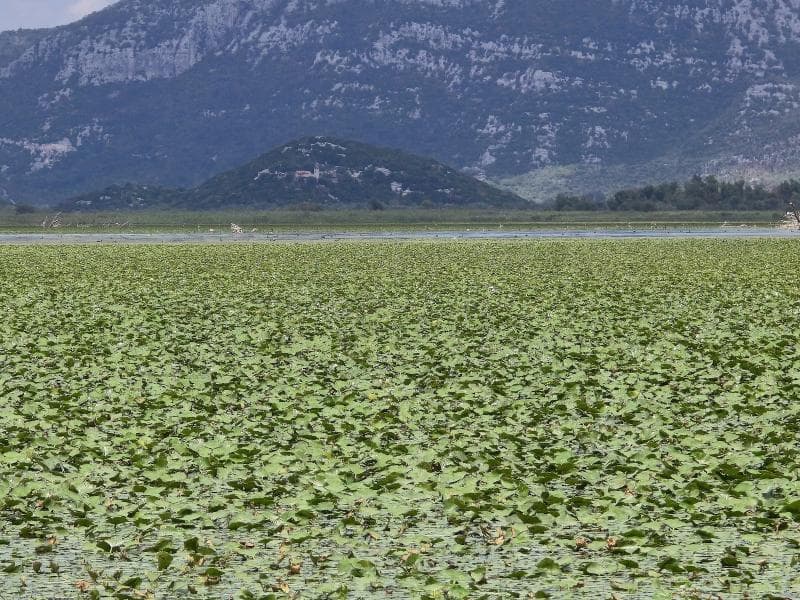
Discover the enchanting wetlands of Lake Skadar National Park in Podgorica, Montenegro. A Ramsar site, bird paradise, and historical treasure.
Overview
Nestled in the heart of Montenegro, Lake Skadar National Park is a natural wonder, and its extensive wetlands are a jewel within this protected area. As the largest lake in the Balkans, Lake Skadar straddles the border between Montenegro and Albania, with the greater portion residing in Montenegro. The wetlands of Lake Skadar are recognized globally for their ecological significance, earning a place on the prestigious Ramsar List of Wetlands of International Importance in 1996. This designation underscores their critical role as a haven for a multitude of plant and animal species, particularly diverse birdlife.
Formed through tectonic movements, the lake is a cryptodepression, meaning parts of its bed lie below sea level, a fascinating geological phenomenon. Its surface area fluctuates dramatically with the seasons, ranging between 370 and 530 square kilometers, creating an ever-changing landscape of open water, submerged forests, and verdant marshlands. The Montenegrin section of Lake Skadar was officially declared a National Park in 1983, a testament to its unparalleled natural and cultural value.
History & Cultural Background
The Lake Skadar basin is not merely a natural spectacle; it is a landscape deeply intertwined with Montenegro's rich history and cultural heritage. Archaeological findings indicate human communities have inhabited the area since the Palaeolithic period, suggesting its favorable conditions have attracted settlement for millennia. Over centuries, various civilizations including the Illyrians, Romans, Byzantines, and Slavic tribes left their indelible marks, transforming the lake into a crossroads of cultures.
During the medieval era, the Lake Skadar region became a vital center for the Montenegrin state, particularly under the rule of influential dynasties like the Balšići and Crnojevići. Numerous islands dotting the lake, known as 'gorice,' became sanctuaries for spirituality and learning. They are home to medieval monasteries such as Starčevo, Beška, and Moračnik, which stand as enduring symbols of the region's religious and cultural past. Fortresses like Žabljak Crnojevića and Lesendro testify to the lake's strategic importance as a military and trading hub, especially during the Ottoman period. The area also holds historical significance as the site of the Obod Printing House, where one of the first books in Cyrillic, the Oktoih Prvoglasnik, was printed in 1494.
What Makes It Special
The wetlands of Lake Skadar National Park are a biodiverse hotspot, earning it the moniker 'Amazon of Europe' among some. This unique ecosystem supports an astonishing array of flora and fauna, making it one of Europe's most important habitats. It is recognized as Europe's largest bird reserve, hosting over 280 bird species, which represents more than half of all species found on the continent. The most celebrated resident is the globally threatened Dalmatian pelican, the largest freshwater bird in Europe, for which Lake Skadar provides one of the continent's most significant breeding colonies.
Beyond the iconic pelican, the wetlands teem with other avian species such as pygmy cormorants, squacco herons, and glossy ibises. The lake's waters are home to over 50 fish species, with a remarkable 18 being endemic, found nowhere else on Earth. Mammals like the Eurasian otter, along with various reptiles, amphibians, and insects, further enrich this intricate web of life. The plant life is equally vibrant, characterized by extensive marsh vegetation, floating meadows of water lilies, and water chestnuts that carpet vast stretches of the lake, especially in its northern regions. The seasonal flooding plays a crucial role, creating the shallow, reed-fringed feeding grounds essential for many species. A distinctive feature are the 'oka,' or sublacustrine springs, which are underwater freshwater springs, some reaching depths of 60 meters or more.
Stories, Fun Facts & Local Details
The wetlands of Lake Skadar whisper tales from its long past. One intriguing legend surrounds Grmožur Island, often dubbed the 'Montenegrin Alcatraz.' This former fortress was repurposed as a prison, with a whimsical twist: it is said that neither the prisoners nor their guards knew how to swim, making escape virtually impossible.
The lake's cultural tapestry is also woven into its culinary traditions. Local cuisine heavily features freshwater fish like carp, bleak, and eel, often prepared with locally sourced vegetables. The region is also renowned for its winemaking, with visitors often enjoying tastings of local wines, particularly the Vranac variety. The use of traditional wooden boats, meticulously crafted by local artisans, adds to the authentic experience. These eco-friendly vessels are perfectly designed to navigate the shallow channels and hidden lagoons of the wetlands, offering an intimate connection with nature that larger boats cannot.
The very name of the lake reflects its layered history, having been known as 'Labeatis' by the Illyrians, 'Scodra' by the Romans, and 'İşkodra' during Ottoman rule.
Visitor Perspective
Exploring the Wetlands of Lake Skadar National Park offers a profound experience for any curious traveler. The park is easily accessible, located approximately 30 minutes from Podgorica and under an hour from Montenegro's Adriatic coast. The main gateways to the Montenegrin side of the lake are the charming fishing villages of Virpazar and Rijeka Crnojevića, both serving as excellent starting points for adventures.
The most recommended way to immerse oneself in the wetlands is by taking a boat tour, often in the aforementioned traditional wooden boats. These tours allow visitors to glide through narrow reed channels, past floating lily pads, and into secluded areas where birdwatching is exceptional. Birdwatching is particularly rewarding during autumn and winter when migratory species arrive in large numbers. Other popular activities include kayaking through the serene waters, visiting the historic island monasteries, and hiking to scenic viewpoints such as Pavlova Strana, which offers breathtaking panoramic views of the winding river and lake. The lake's clean, warm waters also invite swimming in quiet coves during the summer months. An entrance fee of around €5 is typically required for park access.
Coordinates: 19.1667, 42.3333
View on Google Maps💬 How Travelers Describe This Place
Based on community votes
Unique
539Photogenic
517Must See
424Interesting
251Beautiful
234
Traveler Stories
Discover memorable experiences shared by travelers who have visited this place.
No traveler stories yet.
Be the first traveler to share what made this place memorable.

Tour
By
Spot
Discover amazing places around the world. Your journey starts here.
Explore
© 2026 TourBySpot. All rights reserved.