Wat Phra Singh
Chiang Mai, Thailand
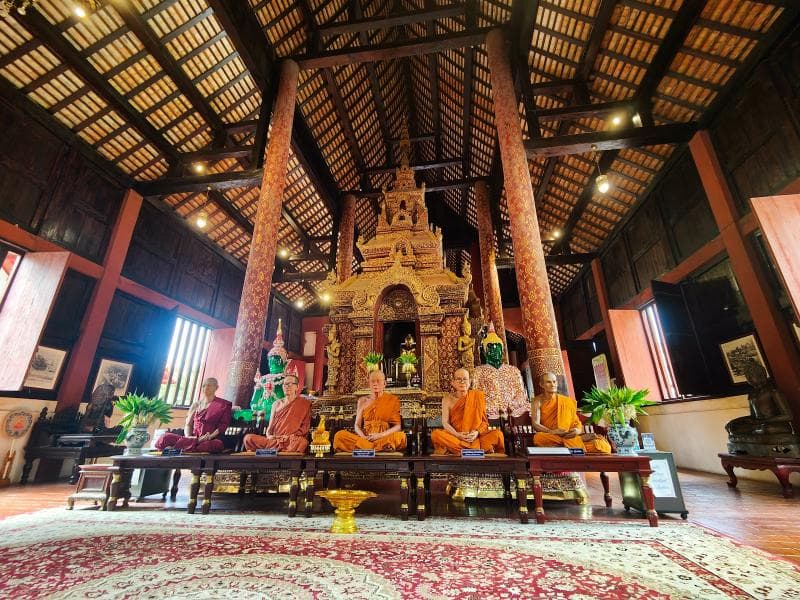
Explore Wat Phra Singh, Chiang Mai's revered 'Temple of the Lion Buddha' in Thailand. Discover its Lanna architecture, rich history, and the sacred Phra Buddha Sihing image.
Overview
Nestled within the ancient walls of Chiang Mai's Old City, Wat Phra Singh Woramahawihan stands as a beacon of Northern Thai spiritual and architectural heritage. Often referred to simply as Wat Phra Singh, or the 'Temple of the Lion Buddha', it is one of the most revered and visually striking temples in the region. This royal temple, dating back to the 14th century, is a vital cultural and spiritual landmark, embodying the essence of the Lanna Kingdom's rich past. Visitors are drawn to its serene atmosphere, intricate Lanna-style architecture, and the profound historical significance held within its grounds. It's a place where the vibrant present of Thai Buddhism harmoniously coexists with centuries of tradition.
History & Cultural Background
The origins of Wat Phra Singh trace back to 1345, when King Phayu, the fifth ruler of the Mangrai dynasty, commissioned its construction. His initial purpose was to enshrine the ashes of his father, King Kham Fu, within the temple's main chedi. The temple was originally known as Wat Li Chiang Phra. Its destiny significantly changed in 1367 with the arrival of the sacred Phra Buddha Sihing image, which subsequently bestowed upon the temple its enduring name, Wat Phra Singh. For centuries, it has served as a pivotal center for Buddhist education and culture in Northern Thailand. The temple endured periods of decline, particularly during Burmese occupation between the 16th and 18th centuries, falling into disrepair. However, it experienced significant revivals and restorations, notably under King Kawila in the early 19th century and later by the revered monk Khru Ba Srivichai in the 1920s. In recognition of its profound historical and religious importance, King Ananda Mahidol (Rama VIII) elevated Wat Phra Singh to the esteemed status of a Royal Temple of the First Grade in 1935.
What Makes It Special
Wat Phra Singh is a quintessential example of Lanna architecture, characterized by its ornate golden filigree, multi-tiered roofs, and intricate wood carvings. The entrances are often guarded by majestic naga (serpent) motifs, symbols of spiritual guardianship. The Viharn Lai Kham, a masterpiece of Lanna craftsmanship, is particularly noteworthy. It houses the revered Phra Buddha Sihing statue, which is the temple's spiritual heart and a significant symbol of faith for Buddhists across Thailand. The main chedi, the oldest structure on the grounds dating back to 1345, is a towering stupa adorned with elephant sculptures emerging from its base, symbolizing strength and royal power. Another prominent structure is the Viharn Luang, the main assembly hall, rebuilt in 1925, which features impressive Lanna-style architecture and houses the Phra Chao Thong Tip Buddha image. The temple also boasts a beautiful and historically significant scripture library, known as the Ho Trai, an elevated wooden building adorned with carvings, stucco, glass mosaic, and gilded lacquer, reflecting exceptional Northern Thai artistry. Beyond its stunning structures, Wat Phra Singh is an active monastery, home to hundreds of monks and novices, contributing to its vibrant spiritual atmosphere.
Stories, Fun Facts & Local Details
The Phra Buddha Sihing image is shrouded in intriguing legends. Tradition suggests its origins trace back to Sri Lanka in the 2nd century, traveling through various kingdoms before arriving in Chiang Mai. A fascinating 'fun fact' is the mystery surrounding its authenticity: at least two other Buddha statues in Thailand claim to be the original Phra Buddha Sihing, one in Nakhon Si Thammarat and another in the Bangkok National Museum, adding a layer of historical intrigue. Each year, Wat Phra Singh plays a central role in the vibrant Songkran Festival, the Thai New Year celebration. The Phra Buddha Sihing statue is ceremoniously paraded through the streets of Chiang Mai, allowing locals and visitors to sprinkle water upon it as a gesture of purification, blessing, and respect. Inside the Viharn Lai Kham, you can discover captivating murals that not only depict tales from the Buddha's previous lives (Jataka stories) but also offer a unique glimpse into the daily life and customs of people in Chiang Mai during the 19th century. The temple grounds are not just a historical site; they are a living community where you might encounter novice monks sweeping pathways or even engaging in friendly conversations with visitors to practice their English, offering a unique cultural exchange.
Visitor Perspective
Visiting Wat Phra Singh offers a deeply enriching cultural experience. Conveniently located at the western end of Ratchadamnoen Road within the Old City, it is easily accessible by foot, bicycle, songthaew (red truck), or tuk-tuk. The temple grounds are generally open daily from early morning, typically 6:00 a.m. to 6:00 p.m. or 8:00 p.m. While entry to the main temple complex is often free, a small fee of around 20-50 THB may be requested for foreigners to enter specific, highly significant areas like the Viharn Lai Kham. As an active place of worship, visitors are kindly requested to dress modestly, ensuring shoulders and knees are covered, and to remove shoes before entering any temple buildings. The best times to visit are often the early morning or late afternoon when the crowds are thinner and the light is particularly beautiful for photography. Strolling through its meticulously kept grounds, admiring the architecture, or simply sitting in quiet contemplation provides a peaceful respite from the city's hustle and bustle.
Coordinates: 98.9817, 18.7898
View on Google Maps💬 How Travelers Describe This Place
Based on community votes
Interesting
585Beautiful
550Photogenic
546Unique
56Must See
28
Traveler Stories
Discover memorable experiences shared by travelers who have visited this place.
No traveler stories yet.
Be the first traveler to share what made this place memorable.

Tour
By
Spot
Discover amazing places around the world. Your journey starts here.
Explore
© 2026 TourBySpot. All rights reserved.