Wat Phra Kaew
Bangkok, Thailand
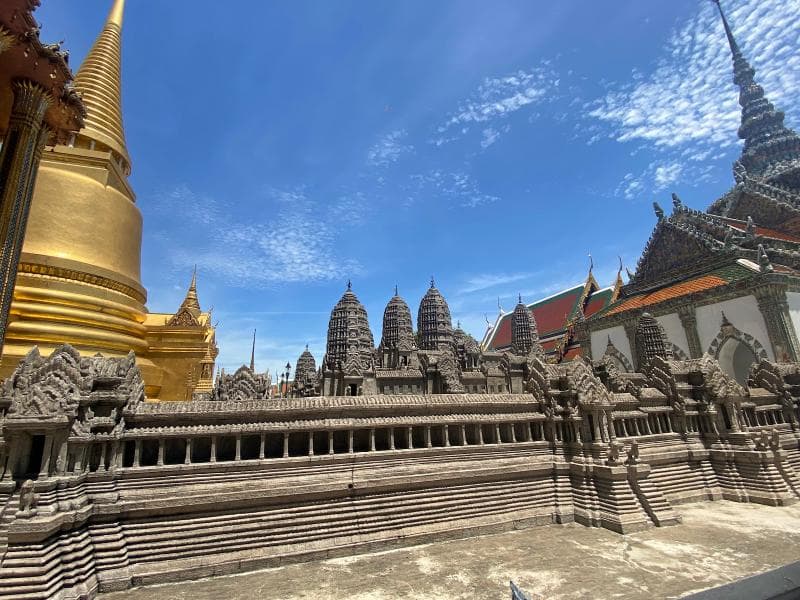
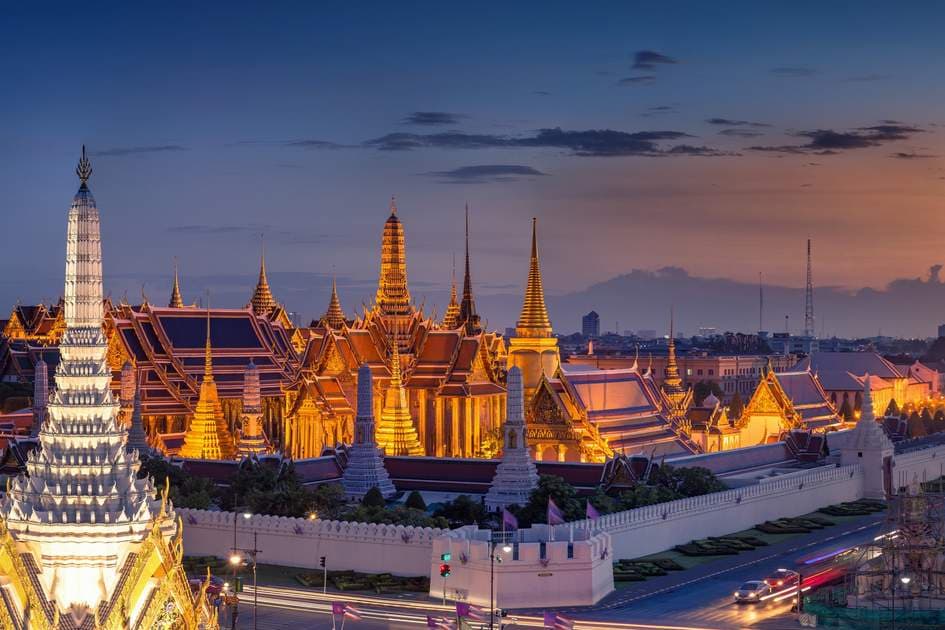
Discover Wat Phra Kaew, Bangkok's Temple of the Emerald Buddha, a sacred site within the Grand Palace. Explore its history, unique architecture, and the revered Emerald Buddha. Plan your visit to this cultural gem in Thailand.
Overview
Wat Phra Kaew, officially known as Wat Phra Si Rattana Satsadaram, stands as Thailand's most sacred Buddhist temple, deeply embedded within the sprawling grounds of the Grand Palace in Bangkok. Regarded as a powerful cultural and spiritual emblem, this royal temple complex is a paramount destination for anyone seeking to understand the heart of Thai heritage. It is not merely a temple but a complex tapestry of ornate buildings, stupas, and pavilions, all harmoniously arranged to showcase the zenith of Thai religious art and architecture. The undeniable centerpiece and the primary reason for its revered status is the venerated Emerald Buddha image, housed within its main ordination hall.
History & Cultural Background
The origins of Wat Phra Kaew date back to 1782 when King Rama I, the first monarch of the Chakri Dynasty, established Bangkok as the new capital of Siam. He commissioned the construction of the Grand Palace and, within its walls, the royal temple of Wat Phra Kaew, completing it by 1785. Unlike other temples, Wat Phra Kaew was specifically designed to be a royal chapel and thus does not house resident monks; instead, its purpose is dedicated solely to important state and royal ceremonies. This decision placed the temple at the very core of the nation's spiritual and monarchical identity. The temple complex has since evolved with contributions from successive kings, each adding to its embellishment and making it a treasury of sacred and valuable objects.
Central to its history is the legendary journey of the Emerald Buddha. Believed to have originated in India or Sri Lanka, this precious statue embarked on a centuries-long odyssey across various kingdoms, including Cambodia and Laos, before finding its permanent home in Thailand. Its eventual enshrinement in Wat Phra Kaew was a pivotal moment, cementing its status as the palladium of the nation and a powerful symbol of Thai kingship and unity.
What Makes It Special
What truly sets Wat Phra Kaew apart is its extraordinary main Buddha image, known as the Emerald Buddha. Despite its relatively small size, standing at approximately 66 centimeters tall, this meditating figure carved from a single block of deep green jade is considered the most sacred religious object in Thailand. It is meticulously adorned with gold and diamonds, and uniquely, the King of Thailand performs a ceremonial changing of its elaborate robes three times a year, marking the transition between the summer, rainy, and cool seasons. This revered ritual is believed to bring good fortune and prosperity to the entire nation.
Beyond the Emerald Buddha, the entire complex is an architectural marvel. Visitors are captivated by the intricate craftsmanship, sparkling mosaic tiles, and gilded spires that adorn every structure. Notable features include the Phra Si Rattana Chedi, a golden stupa housing Buddha relics, and the Royal Pantheon. The walls surrounding the temple's perimeter are famously decorated with elaborate murals depicting the entire epic of the Ramakien, Thailand's national epic, offering a vibrant narrative of ancient myths and legends.
Stories, Fun Facts & Local Details
The Emerald Buddha's history is steeped in mystery and legend. One popular tale recounts its discovery in 1434 in Chiang Rai, where it was initially concealed within a stucco Buddha image. When lightning struck the stucco, the brilliant green jade image was revealed beneath, instantly captivating observers. This 'emerald' is actually a dark green jade or jasper, with the term 'emerald' referring to its color rather than its geological composition.
The annual robe-changing ceremony performed by the King is a powerful cultural event, symbolizing the harmony between the monarchy, religion, and the seasons. It's a unique practice that underscores the profound spiritual significance of the statue and its connection to the well-being of the kingdom. Furthermore, the temple complex itself, while a place of immense spiritual importance, functions as a royal chapel and not a traditional monastery, meaning it has no resident monks. This distinction highlights its role as a state temple, distinct from other 'wats' across Thailand.
Visitor Perspective
Visiting Wat Phra Kaew is an immersive experience, offering a glimpse into Thailand's rich cultural tapestry. Given its status as a highly sacred site, adherence to a strict dress code is mandatory. Visitors must ensure their shoulders and knees are completely covered; sleeveless tops, shorts, mini-skirts, and ripped jeans are not permitted. Shoes must be removed before entering the main ordination hall and other sacred buildings, so wearing easily removable footwear is advisable.
The temple is generally open daily from 8:30 AM to 3:30 PM, though it's always wise to check for any special closures due to royal ceremonies. The admission fee is typically around 500 Thai Baht, which usually grants access to the wider Grand Palace complex. To avoid the largest crowds and the midday heat, arriving early in the morning is highly recommended. Photography is permitted in most outdoor areas of the complex, but it is strictly prohibited inside the Ubosot, where the Emerald Buddha resides, to maintain its sanctity.
Coordinates: 100.489, 13.7508
View on Google Maps💬 How Travelers Describe This Place
Based on community votes
Unique
951Must See
748Interesting
491Beautiful
427Photogenic
414
Traveler Stories
Discover memorable experiences shared by travelers who have visited this place.
No traveler stories yet.
Be the first traveler to share what made this place memorable.
Things to see at Wat Phra Kaew



Tour
By
Spot
Discover amazing places around the world. Your journey starts here.
Explore
© 2026 TourBySpot. All rights reserved.