Warehouse District Architecture
Bangkok, Thailand
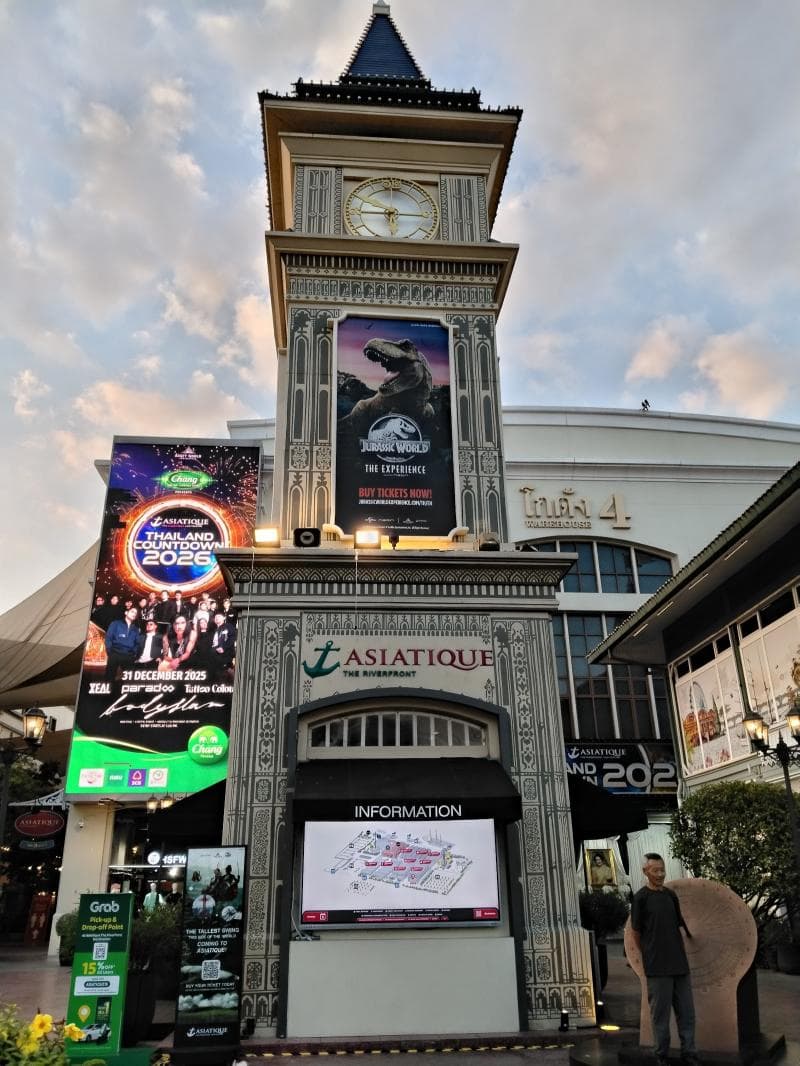
Explore the unique Warehouse District Architecture at Asiatique The Riverfront in Bangkok, Thailand. Discover its rich history, repurposed colonial-era warehouses, and vibrant cultural charm.
Overview
The Warehouse District Architecture at Asiatique The Riverfront in Bangkok, Thailand, offers a unique blend of history and modern entertainment. Once a bustling international trade port, this expansive open-air complex has been thoughtfully revitalized to preserve its industrial heritage while providing a vibrant destination for shopping, dining, and leisure. Situated along the scenic Chao Phraya River, Asiatique has seamlessly transformed the original warehouses of the East Asiatic Company into a contemporary lifestyle hub, attracting visitors with its distinctive ambiance and diverse offerings. It stands as a testament to Bangkok's ability to repurpose historical sites, creating a dynamic space that honors its past while embracing the present.
History & Cultural Background
The story of Asiatique's warehouse district dates back to the late 19th century, during the reign of King Chulalongkorn (Rama V), when it served as the base for the East Asiatic Company. This Danish trading company established a crucial port facility on the Chao Phraya River, which became a vital gateway for Thailand's international trade. The oldest surviving warehouse on the site was constructed in 1907, symbolizing an era when goods from Europe and Asia flowed through Bangkok, shaping its identity as a commercial hub. After ceasing operations in 1947, the port facilities lay largely disused for decades. However, in 2011, the site underwent an extensive renovation, and Asiatique The Riverfront officially opened in 2012. The redevelopment aimed to retain the historical charm and colonial architectural style of the original structures, blending these Western influences with indigenous Thai artistry to create a 'Heritage Alive' concept.
What Makes It Special
What truly sets Asiatique's Warehouse District Architecture apart is the ingenious preservation and adaptive reuse of its historical buildings. The complex maintains the original grid and many of the century-old warehouses, which now house an array of shops, boutiques, and restaurants. Walking through the district, one can observe the colonial-style design elements that hint at its past as a key trading post. Beyond the main structures, Asiatique has also preserved other historical remnants that tell the story of the site. Visitors can discover an old sawmill, a World War II bomb shelter, and even visible sections of an ancient tram track, all integrated into the modern layout. These preserved elements, alongside the repurposed warehouses, create a unique atmosphere where history is not just displayed but actively experienced, making it a distinctive destination in Bangkok.
Stories, Fun Facts & Local Details
The very name 'Asiatique' pays homage to the 'Asiatic' freight company that played a pivotal role in establishing the port in the late 19th century. An intriguing detail from its past reveals that before it became a trading port, the area was once the location of Wat Phraya Krai, which famously housed the Golden Buddha before its relocation to Wat Trimitr. The transformation of these disused docks into a vibrant night market also filled a void left by the closure of the popular Suan Lum Night Bazaar in 2010. The design concept embraces a 'Heritage Alive' philosophy, which is evident in how the Western-influenced colonial architecture coexists with Thai artistic touches. The open-air nature of the complex, with wide streets separating the warehouses, means it truly comes alive after sunset, bathed in ambient lighting that highlights its architectural details.
Visitor Perspective
From a visitor's perspective, exploring the Warehouse District Architecture at Asiatique is an immersive journey through time and culture. The numerous restored warehouses are home to approximately 1,500 shops and over 40 restaurants, offering a vast selection of goods and cuisines. The layout, divided into four distinct districts, makes navigation intuitive, with each area offering a different experience, from fashion and electronics to traditional Thai crafts. The expansive grounds and thoughtfully placed 'retro props' such as a reproduction tram car and anchors, provide excellent photo opportunities. Arriving via the free ferry shuttle from Sathorn Pier is highly recommended, offering picturesque views of the Chao Phraya River and setting a charming tone for the visit. The district buzzes with energy, especially in the evening, making it a favorite spot for both locals and travelers seeking a blend of historical charm and contemporary enjoyment.
Coordinates: 100.5057, 13.7047
View on Google Maps💬 How Travelers Describe This Place
Based on community votes
Interesting
585Beautiful
550Photogenic
546Unique
56Must See
28
Traveler Stories
Discover memorable experiences shared by travelers who have visited this place.
No traveler stories yet.
Be the first traveler to share what made this place memorable.

Tour
By
Spot
Discover amazing places around the world. Your journey starts here.
Explore
© 2026 TourBySpot. All rights reserved.