War Exhibits
Vientiane, Laos
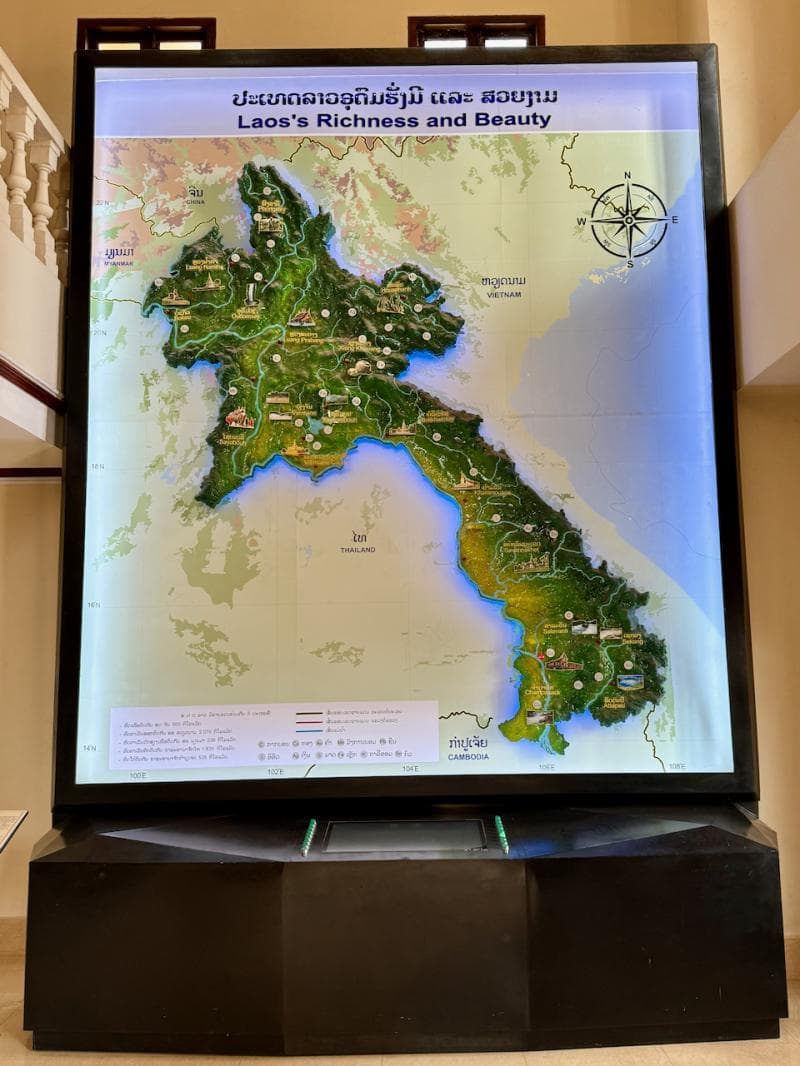
Explore the impactful War Exhibits at the Lao National Museum in Vientiane, Laos, detailing the nation's fight for independence and the Secret War.
Overview
The Lao National Museum, situated in Vientiane, Laos, serves as a crucial institution for understanding the nation's rich and often turbulent history. Originally established as the Lao Revolutionary Exhibition Hall, and later the Revolutionary Museum, it has evolved into the primary repository of Lao heritage, covering eras from prehistoric times to the modern Lao People's Democratic Republic. Since 2017, the museum has been housed in a modern facility, approximately six kilometers from central Vientiane, designed to better preserve and display its extensive collections. Within its walls, the 'War Exhibits' stand out as a particularly poignant and informative section, dedicated to recounting Laos's protracted struggles for independence and the profound impact of 20th-century conflicts.
These exhibits offer a unique and compelling narrative, presenting historical events from a distinctly Lao perspective. They highlight the nation's resilience and determination through periods of foreign occupation, colonial rule, and the devastating 'Secret War'. Visitors are guided through a chronological journey, immersing themselves in the stories of conflict that profoundly shaped the country's identity and its path to sovereignty. The 'War Exhibits' are an essential visit for anyone seeking a deeper comprehension of Laos beyond its tranquil landscapes.
History & Cultural Background
The historical narrative presented in the Lao National Museum's 'War Exhibits' begins with Laos's early encounters with foreign powers, particularly the French colonial period. This section vividly portrays the Lao people's nascent efforts to resist colonial rule and forge their own national identity. However, the core of the war-related displays focuses intensely on the mid-20th century, particularly the Indochina Wars and what is often referred to as the 'American War' or 'Secret War'.
During the period from 1964 to 1973, Laos endured an unprecedented bombing campaign, making it the most heavily bombed country per capita in history. The museum painstakingly documents this era, detailing the clandestine nature of the conflict and its catastrophic consequences for the Lao populace. It showcases the revolutionary movement, led by the Pathet Lao, and their ultimate victory in 1975, which led to the establishment of the Lao People's Democratic Republic. The exhibits emphasize the struggle for independence and the subsequent introduction of communism, providing crucial context for understanding contemporary Lao society and its political landscape.
What Makes It Special
The 'War Exhibits' are distinguished by their raw, unfiltered portrayal of a challenging chapter in Lao history. Unlike many historical accounts, these displays provide the Lao perspective, often describing foreign powers, particularly Americans, as 'imperialists'. This direct and unapologetic narrative offers visitors an invaluable opportunity to engage with history from a non-Western viewpoint.
Among the most compelling displays are those dedicated to unexploded ordnance (UXO). Laos remains heavily contaminated with UXO, and the museum features actual defused bombs and information about the ongoing efforts and human cost of clearance. This serves as a stark reminder of the enduring legacy of conflict. Furthermore, personal artifacts belonging to revolutionary leaders, such as Comrade Kaysone Phomvihane's gun and briefcase, lend an intimate and tangible connection to the figures who shaped the nation's destiny. The collection of photographs, ranging from images of children being educated in underground caves to avoid bombing raids, to poignant depictions of anti-war protests and the suffering inflicted by the bombings, makes for a deeply moving experience.
Stories, Fun Facts & Local Details
A visit to the 'War Exhibits' is more than just viewing artifacts; it's an immersion into stories of survival and defiance. One striking aspect highlighted is the ingenuity and resilience of the Lao people, who adapted to wartime conditions by moving education and daily life into underground shelters to escape the incessant bombing. The museum brings to life the narrative of an 'improbable victory' by the Pathet Lao against overwhelming odds, demonstrating the power of national unity and resolve.
While perhaps not 'fun facts' in the traditional sense, the exhibits offer deeply meaningful details. For instance, visitors might observe a chilling inscription like 'Front toward enemy' on a displayed unexploded bomb, underscoring the grim realities of the weaponry used. The displays also feature images of Lao citizens protesting with 'U.S., go home' signs, a powerful testament to the local sentiment during the conflict. These details provide a granular understanding of the human element behind the statistics of war, personalizing the monumental struggle for independence and self-determination. The museum's bilingual explanations in Lao and English help bridge cultural gaps, ensuring that these vital stories are accessible to a wider audience.
Visitor Perspective
For a curious traveler, the 'War Exhibits' within the Lao National Museum offer an unparalleled opportunity for reflection and learning. It's a place where history is not just presented but felt. The comprehensive overview of the colonial era, the struggle for independence, and the profound impact of the 'Secret War' provides essential context for understanding modern Laos. Many visitors describe the exhibits as thought-provoking and emotionally impactful, particularly those illustrating the devastation caused by unexploded ordnance.
Engaging with these exhibits can foster a deeper appreciation for the Lao people's perseverance and their journey towards peace. It encourages visitors to contemplate the broader implications of conflict and the long-lasting scars it leaves on a nation. The experience is both educational and humbling, offering unique insights into Southeast Asian history and the formation of Lao national identity. It is highly recommended for anyone interested in history, cultural understanding, and the human spirit's ability to endure.
Coordinates: 102.6001, 17.9691
View on Google Maps💬 How Travelers Describe This Place
Based on community votes
Interesting
799Must See
639Beautiful
526Unique
181Photogenic
30
Traveler Stories
Discover memorable experiences shared by travelers who have visited this place.
No traveler stories yet.
Be the first traveler to share what made this place memorable.

Tour
By
Spot
Discover amazing places around the world. Your journey starts here.
Explore
© 2026 TourBySpot. All rights reserved.