Walking paths
Osaka, Japan
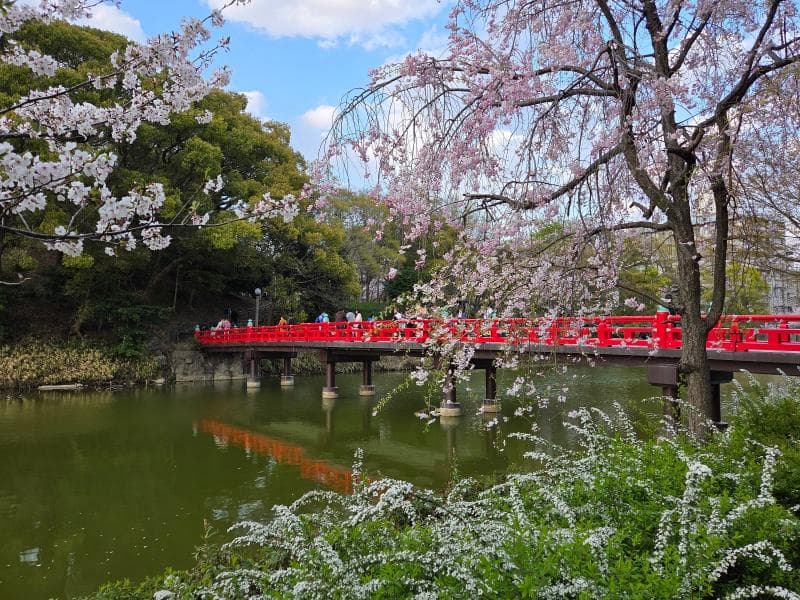
Explore the diverse walking paths of Tennoji Zoo & Park Area in Osaka, Japan. Discover serene gardens, historic sites, and unique zoo exhibits.
Overview
The Tennoji Zoo & Park Area in Osaka, Japan, offers a refreshing escape from the urban bustle, featuring an expansive network of walking paths that invite exploration and relaxation. At its heart lies Tennoji Park, a verdant oasis spanning approximately 26 to 28.8 hectares, encompassing a variety of attractions including the historic Tennoji Zoo, the serene Keitakuen Garden, and the distinguished Osaka City Museum of Fine Arts. These interconnected paths weave through diverse landscapes, from wide, open lawns perfect for picnics to tranquil, shaded walkways by ponds and through botanical displays. The area is a hub where nature, culture, and history converge, providing a unique pedestrian experience in the heart of Osaka's Tennoji Ward. Visitors can embark on leisurely strolls, discovering hidden corners and enjoying scenic views, all within easy reach of major transportation links. The walking paths are designed to accommodate all visitors, offering accessible routes that connect the park's various points of interest and nearby attractions like the iconic Tsutenkaku Tower and the vibrant Shinsekai district.
History & Cultural Background
The history of the Tennoji Park walking paths is deeply intertwined with Osaka’s development as a metropolitan center. The park itself was established in 1909 on the former site of the 5th National Industrial Exhibition of 1903, an event that significantly propelled the local economy and introduced advanced technologies. Following the exhibition, its temporary structures were demolished, giving way to the permanent public green space we see today. The Tennoji Zoo, a significant part of the area, opened its gates shortly after, on January 1, 1915, making it the third oldest zoo in Japan. Keitakuen Garden, a jewel within the park, boasts an even longer lineage; its planning began in 1908 and it was completed in 1918. This traditional Japanese strolling garden was originally part of the wealthy Sumitomo family’s estate and was generously donated to the city of Osaka in 1926. Its design by the renowned landscape architect Ogawa Jihei VII reflects a profound cultural appreciation for natural beauty and meticulous garden artistry, which continues to shape the walking experience today. The presence of historical landmarks like Chausuyama Hill, believed to be an ancient burial mound and a strategic camp during the Summer Siege of Osaka in 1615, adds layers of historical depth to a simple walk through the park.
What Makes It Special
The walking paths of Tennoji Zoo & Park Area are special due to their seamless integration of natural beauty, historical significance, and urban accessibility. Unlike many urban parks, Tennoji offers a diverse tapestry of environments within its bounds. The traditional circuit-style design of Keitakuen Garden, for instance, ensures that every turn along its paths reveals a new framed view, encouraging a slower, more contemplative pace. Here, meticulously arranged plants, trees, and rock formations surround a central pond, offering stunning seasonal changes, from plum blossoms in winter to fiery maple leaves in autumn. Within the Tennoji Zoo, the paths guide visitors through 'habitat environment exhibits,' where animals are presented in settings that mimic their natural homes, creating an immersive and educational experience. This innovative approach allows for a unique connection with nature and wildlife in an urban setting. The park's pathways also lead to the Osaka City Museum of Fine Arts, allowing art and culture enthusiasts to easily transition from a serene walk to an enriching artistic exploration. Moreover, the strategic location of the park provides picturesque views of the ultra-modern Abeno Harukas skyscraper contrasting with the historical landscape, epitomizing Osaka's blend of old and new.
Stories, Fun Facts & Local Details
Wandering the paths of Tennoji Park reveals many intriguing stories and local details. The design of Keitakuen Garden by Ogawa Jihei VII, often hailed as a pioneer of modern Japanese garden design, is a testament to the artistry that went into creating this space. His specialization in stone and water elements is evident throughout the garden's serene ponds and stepping stones. A lesser-known fact is that the garden's name, 'Keitakuen,' was bestowed by Prince Fushimi Sadaaru upon its completion, signifying a place of blessing. The park's Chausuyama Hill holds a significant place in Japanese history, as it was the main encampment for the legendary samurai warlord Sanada Yukimura during the 1615 Summer Siege of Osaka, making it a site of historical contemplation. Within Tennoji Zoo, visitors can encounter fascinating creatures, including species like the kiwi bird, which was once unique to this zoo in Japan. The zoo also hosts engaging events like 'Feeding Times' and 'Night Zoo' experiences, offering unique perspectives on its diverse animal residents. The paths also connect to the nostalgic Shinsekai district, allowing travelers to effortlessly transition from a peaceful park environment to a retro, bustling streetscape with iconic landmarks like Tsutenkaku Tower.
Visitor Perspective
From a visitor's perspective, the walking paths in the Tennoji Zoo & Park Area offer a wonderfully varied and accessible experience. They are broad and well-maintained, making them comfortable for leisurely strolls, jogging, or navigating with strollers. Many visitors describe the park as a 'green lung' for the city, a place to exhale and find tranquility amidst Osaka's energetic pace. The sheer diversity of the paths means you can tailor your walk to your mood: a reflective circuit around Keitakuen Garden's pond, an adventurous exploration of the zoo's habitat zones, or a casual amble through the Tenshiba lawn plaza dotted with cafes. The easy connectivity to Tennoji Station and the surrounding Shinsekai area makes it an ideal spot for a break, whether you're starting your day with a peaceful walk or winding down after exploring the city. Families particularly appreciate the wide, open spaces for children to play and the stroller-friendly routes within the zoo. The ability to spend a few hours or an entire day, effortlessly moving between nature, art, and wildlife, makes the Tennoji Park walking paths a truly rewarding part of any Osaka itinerary.
Coordinates: 135.509, 34.65
View on Google Maps💬 How Travelers Describe This Place
Based on community votes
Unique
989Beautiful
613Photogenic
603Interesting
581Must See
207
Traveler Stories
Discover memorable experiences shared by travelers who have visited this place.
No traveler stories yet.
Be the first traveler to share what made this place memorable.

Tour
By
Spot
Discover amazing places around the world. Your journey starts here.
Explore
© 2026 TourBySpot. All rights reserved.