Walking Paths
Odessa, Ukraine
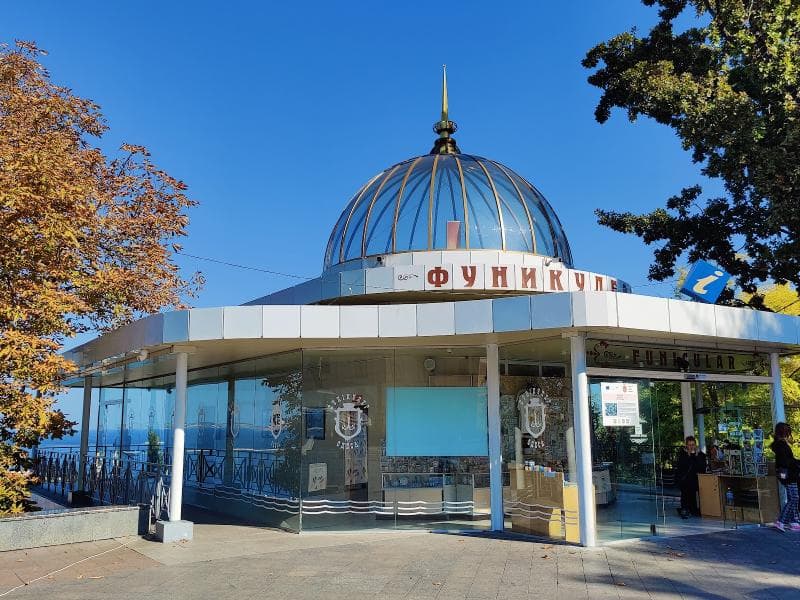
Discover the historic Walking Paths of Primorsky Boulevard in Odesa, Ukraine. Explore stunning Black Sea views, ancient history, and iconic landmarks.
Overview
The 'Walking Paths' of Primorsky Boulevard in Odesa, Ukraine, refer to the enchanting pedestrian promenade that stretches along the city's historic core, offering breathtaking views of the Black Sea and the bustling port below. This iconic boulevard, also known as Prymorskyi Bulvar, spans approximately half a kilometer, connecting the venerable Odesa City Hall to the majestic Vorontsov Palace. It serves as a vibrant open-air museum, presenting a continuous display of architectural grandeur, historical monuments, and lush greenery, making it a favorite spot for both locals and visitors seeking a leisurely stroll.
From its strategic position atop a high, steep shore, Primorsky Boulevard acts as Odesa's elegant façade, welcoming those arriving by sea with its dignified beauty and rich heritage. The boulevard is not merely a path but a journey through Odesa's past and present, punctuated by significant landmarks like the monumental Potemkin Stairs and the statue of the Duke de Richelieu, each telling a piece of the city's captivating story.
History & Cultural Background
The history of Primorsky Boulevard is as layered as the ancient settlements discovered beneath its surface. Construction of the boulevard commenced in 1821-1822, transforming an area that once harbored the Khadjibey fortress. During its early development, builders unearthed traces of Greek settlements dating back to the 6th-5th centuries BC, and remnants of a Turkish fortress, Yeni Dunaya, which stood from 1764 to the late 18th century.
Archaeological research continues to unveil deeper historical contexts, pinpointing the ancient Greek settlement of Gavan Istrian, medieval Dzhinestra, and Ottoman Khadjibey. Under the governorship of Mikhail Semyonovich Vorontsov, the boulevard was first established as 'New Boulevard' and notably became the Russian Empire's first asphalt-paved road. Over time, it bore several names, including Nikolai Boulevard and Feldman Boulevard, before permanently becoming Primorsky Boulevard, reflecting its intimate connection to the sea.
The boulevard played a role in historical events, such as the Crimean War, during which it was shelled by British and French naval forces. A French cannon prominently displayed serves as a poignant reminder of this turbulent period.
What Makes It Special
Primorsky Boulevard's unique charm stems from its harmonious blend of natural beauty, architectural splendor, and profound historical significance. It's often hailed as an 'open-air museum' where every step reveals a new facet of Odesa's rich past. The boulevard is flanked by an impressive ensemble of palaces and mansions, constructed in the grand traditions of Russian classicism, creating a visually stunning backdrop for any promenade.
Among its most celebrated features are the iconic Potemkin Stairs, leading dramatically down to the port, and the stately monument to the Duke de Richelieu. Adding to its allure are the century-old plane trees, chestnuts, and lindens that line the walking paths, offering shade and a serene atmosphere. In the evenings, these trees come alive with multicolored luminous garlands, transforming the boulevard into a magical spectacle.
Beneath glass domes, visitors can observe actual archaeological excavations, providing a tangible link to the ancient Greek settlements that once thrived here, offering a rare glimpse into millennia of human history.
Stories, Fun Facts & Local Details
Primorsky Boulevard is steeped in local lore and fascinating anecdotes. Legend has it that the renowned poet Alexander Pushkin himself planted one of the ancient plane trees that grace the boulevard, though his monument was erected later through local efforts. This picturesque setting has long captivated artists and writers, including Ivan Aivazovsky, Nikolai Gogol, Vissarion Belinsky, and Lesia Ukrainka, who found inspiration in its beauty.
The boulevard has even been immortalized in popular culture, serving as the setting for a musical comedy titled 'Primorsky Boulevard.' A curious detail often noted by guides is that the famous Potemkin Stairs, while grand, originally boasted more steps than the 193 visible today. The boulevard's various name changes throughout history, including a brief period as Feldman Boulevard, even inspired local humor, reflecting the city's resilient and spirited character.
Recent history has also left its mark, with parts of Primorsky Boulevard experiencing missile attacks during conflicts, a stark reminder of the ongoing challenges faced by the region.
Visitor Perspective
For any traveler, exploring the walking paths of Primorsky Boulevard is an essential Odesa experience. It's a place designed for unhurried contemplation and enjoyment, ideal for leisurely strolls and for witnessing magnificent sunsets over the Black Sea. Visitors consistently praise the boulevard for its stunning sea views, deep historical resonance, and its remarkably pleasant and tranquil atmosphere.
To fully appreciate the journey and the various points of interest, comfortable footwear is highly recommended. The boulevard effortlessly connects several of Odesa's must-see attractions, making it easy to navigate from the Potemkin Stairs to the City Hall and the Vorontsov Palace. Beyond the visual feast, the boulevard buzzes with cultural life, often featuring street musicians, local artists, and various celebrations, especially on weekends, creating a lively and engaging environment for all who visit.
Coordinates: 30.73444, 46.48444
View on Google Maps💬 How Travelers Describe This Place
Based on community votes
Interesting
958Beautiful
743Unique
719Photogenic
382Must See
176
Traveler Stories
Discover memorable experiences shared by travelers who have visited this place.
No traveler stories yet.
Be the first traveler to share what made this place memorable.

Tour
By
Spot
Discover amazing places around the world. Your journey starts here.
Explore
© 2026 TourBySpot. All rights reserved.