Walking Paths
Brussels, Belgium
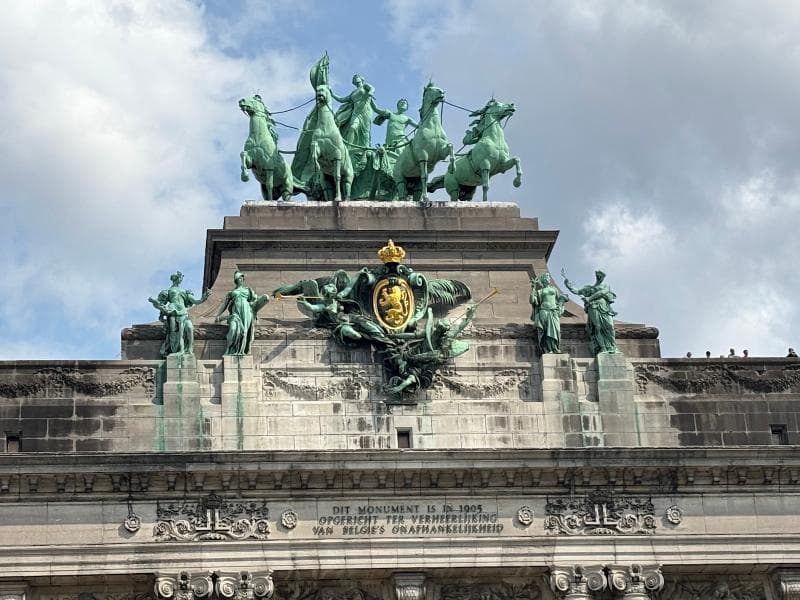
Explore the historic walking paths of Parc du Cinquantenaire in Brussels, Belgium. Discover monumental architecture, lush gardens, and museums.
Overview
The Walking Paths within Parc du Cinquantenaire offer a serene and engaging experience in the heart of Brussels, Belgium. This expansive urban park, covering approximately 30 to 37 hectares, is not merely a green space but a significant national landmark and a cultural hub. Its carefully designed pathways wind through vast lawns, formal gardens, and tree-lined avenues, providing a welcoming environment for leisurely strolls, brisk walks, and jogging. The park serves as a beloved retreat for both local residents and curious travelers seeking a blend of natural beauty and historical grandeur.
As visitors navigate these paths, they are treated to breathtaking views of monumental architecture, including the iconic Triumphal Arch, and discover various cultural institutions nestled within the park's embrace. The accessible nature of the paths makes them suitable for all fitness levels, inviting everyone to explore the park's diverse offerings on foot.
History & Cultural Background
Parc du Cinquantenaire, whose name translates to 'Park of the Fiftieth Anniversary' or 'Jubilee Park', was conceived and developed in 1880 under the patronage of King Leopold II. Its creation commemorated the 50th anniversary of Belgium's independence, aiming to instill a sense of national pride and progress. The initial plans were drawn by architect Gédéon Bordiau, envisioning a grand exhibition site that would showcase the young Belgian state's achievements.
The park's monumental Triumphal Arch, a centerpiece similar to Berlin's Brandenburg Gate, was completed later in 1905, replacing an earlier temporary structure. This arch, along with the U-shaped colonnades and grand halls, symbolically connects the Belgian provinces and houses several world-class museums. The design reflects a symmetrical blend of French and English-inspired gardens, featuring wide avenues and picturesque elements that have been enjoyed for over a century.
What Makes It Special
What sets the walking paths of Parc du Cinquantenaire apart is their seamless integration with magnificent architecture and rich cultural attractions. As you walk, you are surrounded by the grandeur of the Triumphal Arch, which offers panoramic views of Brussels from its summit. The paths lead you past three major museums: Autoworld, the Royal Military Museum, and the Art & History Museum, each housed in the impressive buildings flanking the arch.
The park's design thoughtfully combines monumental elements with serene green spaces. Wide esplanades are perfect for a relaxed walk, while quieter, tree-shaded areas provide tranquil spots for reflection. The symmetry of the formal gardens contrasts beautifully with the more natural, landscaped sections, creating a varied visual experience. Furthermore, the park is a dynamic venue, frequently hosting events like concerts, festivals, and even marathons, adding a vibrant layer to its historical charm.
Stories, Fun Facts & Local Details
The Parc du Cinquantenaire holds many interesting stories and local quirks. For instance, the arch was originally planned to be finished by 1880 but wasn't completed until 1905 due to funding issues, making its jubilee celebration a delayed, yet grand, affair. Another fascinating detail is the locals' tradition of chalking dates and tiny names on the undersides of arcade benches, with some scribbles dating back to the 1930s, offering a glimpse into personal histories intertwined with the park's past.
The park is also home to the Great Mosque of Brussels, the oldest and largest mosque in Belgium, and the intriguing Temple of Human Passions, an early work by the renowned Art Nouveau architect Victor Horta. These diverse architectural elements add unexpected layers to the walking experience. The park's proximity to the European Quarter also means it's a popular lunchtime spot for European Union employees, lending it a unique international and bustling atmosphere during weekdays.
Visitor Perspective
For visitors, the walking paths of Parc du Cinquantenaire offer an unparalleled opportunity to explore Brussels' history and natural beauty at a comfortable pace. The paths are generally easy to navigate, with both paved sections and vast lawns where picnickers spread their blankets. Comfortable shoes are highly recommended to fully enjoy the diverse terrain, from cobbled areas around the arch to the soft grass of the main esplanade.
Whether you're looking for a brisk 1.4-mile loop for exercise or a leisurely stroll to soak in the sights, the park accommodates various preferences. Many choose to combine their walk with a visit to one of the museums or climb the Triumphal Arch for elevated views of the city. The park provides a sense of spaciousness, allowing visitors to feel removed from the urban bustle while still being in the heart of Brussels. It's a place where you can easily spend hours, discovering hidden gems, enjoying a picnic, or simply watching the world go by.
Coordinates: 4.392778, 50.840556
View on Google Maps💬 How Travelers Describe This Place
Based on community votes
Photogenic
998Must See
685Unique
472Beautiful
399Interesting
92
Traveler Stories
Discover memorable experiences shared by travelers who have visited this place.
No traveler stories yet.
Be the first traveler to share what made this place memorable.

Tour
By
Spot
Discover amazing places around the world. Your journey starts here.
Explore
© 2026 TourBySpot. All rights reserved.