Vieux Nice (Old Town)
Nice, France
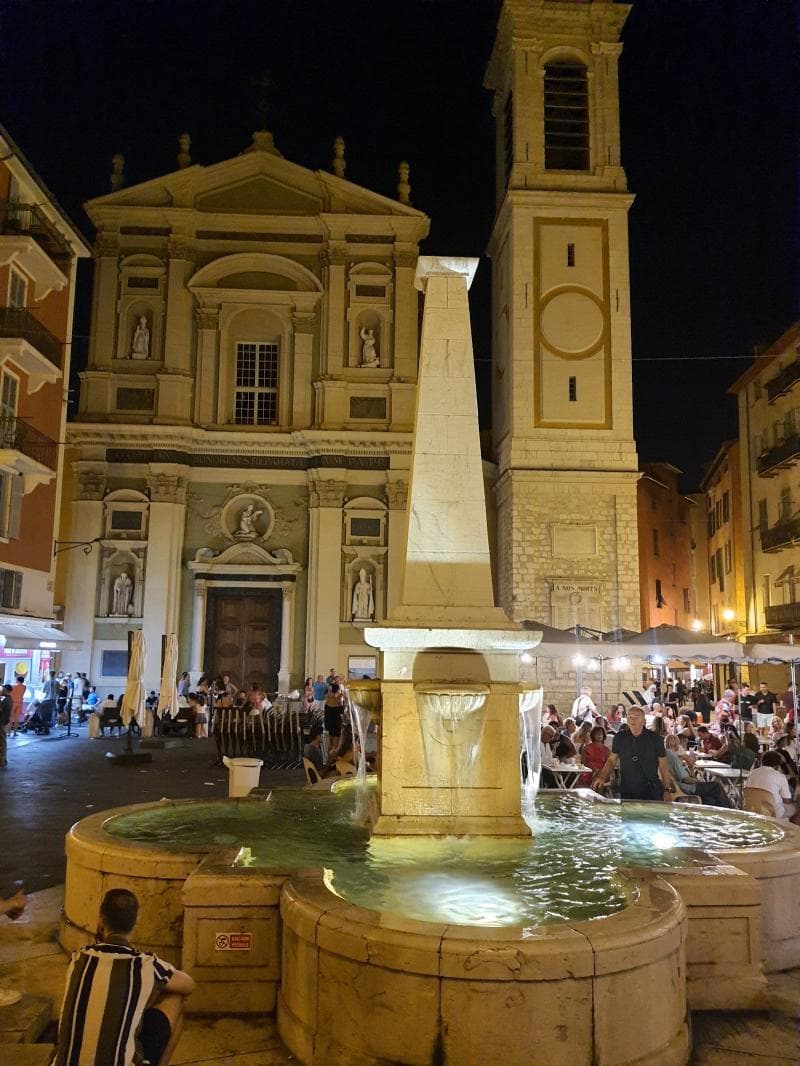
Explore Vieux Nice (Old Town) in Nice, France, with its winding streets, colorful Baroque architecture, vibrant markets, and rich Franco-Italian history.
Overview
Vieux Nice, often referred to as the Old Town, is the captivating historic heart of Nice, France. Nestled between the sparkling Mediterranean Sea and the dramatic Castle Hill (Colline du Château), this vibrant neighborhood is a maze of narrow, winding cobblestone streets, bustling squares, and buildings painted in warm shades of ochre, yellow, and pink.
As you wander through Vieux Nice, you are immediately transported to a bygone era where centuries of history, culture, and everyday life converge. It offers a unique blend of French and Italian influences, evident in its architecture, cuisine, and overall ambiance.
History & Cultural Background
The story of Vieux Nice traces back to ancient times, with Greek settlers establishing 'Nikaia' in the 4th century BCE. Later, the Romans built Cemenelum nearby, solidifying the region's importance as a trading post.
By the Middle Ages, the population shifted towards the coastline, clustering beneath Castle Hill. The Old Town developed within defensive walls, characterized by its deliberately narrow and winding streets designed for protection and to provide shade from the Mediterranean sun.
For centuries, Nice was not part of France but belonged to the Duchy of Savoy and later the Kingdom of Piedmont-Sardinia until 1860. This long period under Italian rule profoundly shaped Vieux Nice, imbuing it with a distinct Italianate character that remains visible today. The city was annexed to France in 1860 after a controversial vote.
The 17th and 18th centuries marked the 'great age of Baroque architecture' in Vieux Nice, a legacy of its Savoyard past. Many Baroque religious buildings, such as Cathédrale Sainte-Réparate and Chapelle de la Miséricorde, were constructed during this time, reflecting the era's artistic richness and the influence of religious confraternities.
An important historical event was the destruction of the original castle on Castle Hill in 1706 by the troops of Louis XIV, leaving behind only foundations but opening the way for the city's future expansion and transforming the site into the park seen today.
What Makes It Special
Vieux Nice's special charm lies in its harmonious fusion of French and Italian cultures. It is a neighborhood that feels 'something in between' rather than entirely one or the other. The pastel-colored facades and Baroque churches evoke Italian fishing villages, while the vibrant markets and lively squares offer a distinct Riviera energy.
The labyrinthine layout of its streets is not merely picturesque; it was a clever design choice for defense and natural ventilation, creating cool, shaded passages perfect for escaping the summer heat.
At its heart is the iconic Cours Saleya, a pedestrian esplanade that transforms throughout the week. From Tuesday to Sunday, it hosts a famous flower and food market, brimming with fresh produce, regional delicacies, and fragrant blooms. On Mondays, it becomes an antique and flea market, offering a treasure trove for browsers.
The area is also home to architectural gems like the Cathédrale Sainte-Réparate, an elegant Baroque cathedral dedicated to Nice's patron saint, and the Chapelle de la Miséricorde, an exquisite 18th-century Baroque chapel. Overlooking the Old Town, Castle Hill offers a peaceful public park with breathtaking panoramic views of Vieux Nice's terracotta rooftops, the Baie des Anges, and the Promenade des Anglais.
Stories, Fun Facts & Local Details
The narrow streets of Vieux Nice are more than just thoroughfares; they are living archives. Historically, some of the oldest passages were barely wide enough for medieval carts. A unique feature is the street names, often displayed in both French and the local Niçois (Nissart) dialect, offering a subtle nod to the city's rich linguistic heritage.
The Cours Saleya, today a bustling market, once served as a significant salt redistribution spot. The original castle on Castle Hill, despite being destroyed in 1706, contributes to local lore, and its remains offer a glimpse into Nice's ancient fortifications.
Vieux Nice is a culinary delight, with its food scene deeply rooted in Italian traditions. Must-try local specialties include 'socca,' a savory chickpea pancake, and 'pissaladière,' an onion tart. You'll also find pasta, focaccia, and gelato, reflecting the enduring Italian influence. Keep an eye out for 'trompe l'oeil' optical illusions painted on some building facades, adding an artistic surprise to your explorations.
In the 19th century, Nice, particularly its Old Town, became a capital for aristocratic winter tourism, attracting royalty and the wealthy seeking cures for ailments and a life of leisure.
Visitor Perspective
For any curious traveler, exploring Vieux Nice is an essential experience for truly appreciating the French Riviera's authentic character. The pedestrianized nature of the Old Town invites you to wander aimlessly, discovering hidden chapels, artisan workshops, and charming cafes around every corner.
It's a place where locals still shop for produce, children play in squares like Place Rossetti, and Baroque churches silently anchor the community, blending everyday life with centuries-old traditions.
Whether you're savoring the flavors of Niçoise cuisine, browsing the vibrant markets of Cours Saleya, or simply soaking in the lively atmosphere of its narrow alleys and hidden squares, Vieux Nice promises an unforgettable immersion. A visit to Castle Hill is highly recommended for unparalleled views, easily accessible by stairs or a free public elevator.
Be sure to wear comfortable shoes, as exploring this charming district involves a delightful amount of walking.
Coordinates: 7.26608, 43.70313
View on Google Maps💬 How Travelers Describe This Place
Based on community votes
Must See
950Beautiful
287Photogenic
255Unique
231Interesting
86
Traveler Stories
Discover memorable experiences shared by travelers who have visited this place.
No traveler stories yet.
Be the first traveler to share what made this place memorable.
Things to see at Vieux Nice (Old Town)



Tour
By
Spot
Discover amazing places around the world. Your journey starts here.
Explore
© 2026 TourBySpot. All rights reserved.