Valea Morilor Lake
Chisinau, Moldova
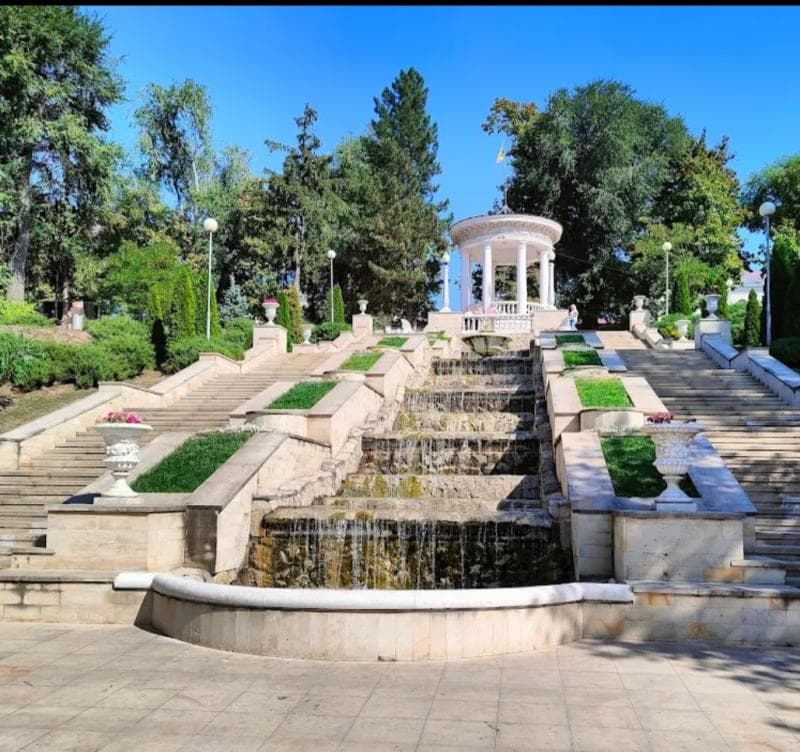
Discover Valea Morilor Lake in Chisinau, Moldova. Explore its rich history, unique features, mammoth secrets, and recreational activities in this urban oasis.
Overview
Nestled in the Buiucani sector of Chisinau, Moldova, Valea Morilor Lake is the captivating heart of the sprawling Valea Morilor Park, a cherished urban oasis spanning 114 hectares. Known locally for its vibrant atmosphere and natural beauty, the park provides a refreshing escape from the city's bustle. The artificial lake itself covers 34 hectares, offering a serene focal point for visitors seeking both relaxation and recreation. A well-maintained 2.5-kilometer ring road encircles the lake, making it ideal for leisurely strolls, invigorating jogs, or cycling amidst lush greenery. Valea Morilor, translating to 'Valley of Mills,' holds a special place in the city's landscape, inviting locals and tourists alike to discover its charms year-round.
The park is easily accessible and free to enter, with various facilities like a beach, a boat station, and children's playgrounds enhancing the visitor experience. It is a place where every season paints a different picture, from spring blossoms to serene winter landscapes, making it a picturesque destination for photographers and nature lovers.
History & Cultural Background
The story of Valea Morilor Lake and Park is deeply intertwined with Moldova's post-war history. Established in 1950 at the initiative of Leonid Brezhnev, who was then the First Secretary of the Communist Party of Moldova, the park was originally known as the 'Central Park of Culture and Rest of the Leninist Komsomol.' The creation of the lake, initially called Komsomolsky Lake, was a monumental undertaking. Between 1951 and 1952, young Komsomol members, largely using manual labor and shovels, dug the artificial basin, filling it with water from local springs. This effort transformed an area lacking large recreational water bodies into a significant leisure space for the landlocked country.
Designed by the renowned architect Robert Kurz, the park was envisioned as a grand recreational hub. Over the decades, it served as a center for water sports, hosted a summer theater, and even featured a skydiving tower and a winter skating rink. Following Moldova's independence, the park was renamed Valea Morilor, embracing its historical name which alludes to the watermills that once dotted the area. However, the lake faced a significant challenge in 2006 when it was drained due to the detection of poisonous chemicals. After extensive renovation and remediation efforts, the lake was refilled in 2011, restoring its natural splendor and recreational purpose.
What Makes It Special
Valea Morilor Lake is not just a body of water; it is a multifaceted attraction that boasts several unique features. One of its most striking elements is the Cascades Staircase, an impressive set of 218 steps leading to a panoramic viewpoint above the lake. This monumental staircase, longer than the famous Potemkin Steps in Odessa, has been carefully restored to its original Soviet-era design and often lights up at night, creating a magical ambiance.
Within the park lies the historic Green Theatre, also known as the Summer Theater. Built in 1957, this open-air venue with a seating capacity of up to 7,000, has hosted numerous concerts and festivals, acting as a vibrant cultural landmark within Chisinau. The park's diverse flora, including Canadian poplar, wild chestnut, and Japanese Sophora trees, contributes to its ecological richness, while the lake itself is home to various fish species like carp and crucian carp, alongside resident ducks. Additionally, mosaics near the Cascade Staircase depict traditional activities that once took place, and some still do, around the lake, providing a glimpse into its past and present life.
Stories, Fun Facts & Local Details
Beneath the tranquil waters of Valea Morilor Lake lies an extraordinary secret: in 2009, Moldovan archaeologists discovered fragments of a mammoth skeleton at the lake's bottom. This rare find indicates that the area was once a habitat for these ancient megafauna during the Upper Pleistocene, adding a prehistoric layer to the park's rich history. Imagine, a landscape once roamed by mammoths now welcomes picnickers and paddle boaters!
Another endearing local detail is the presence of natural springs within the park, most notably 'Tamara's Spring.' These springs historically provided crucial fresh water to locals during times when tap water was contaminated, underscoring their vital role in the community. The park's playful side is also evident in the mention of a 'Witches' Pond,' adding a touch of folklore and mystery to its many corners. For those with an eye for subtle art, there are also mosaics depicting various park activities like skating, cycling, and traditional folk dancing, installed near the Cascade Staircase, offering colorful narratives of daily life.
Visitor Perspective
Valea Morilor Lake and Park offers a welcoming experience for every type of traveler. Whether you seek a peaceful morning run, a family picnic, or an evening stroll, the park caters to diverse interests. The 2.5-kilometer path around the lake is perfect for walking, jogging, or cycling, providing continuous scenic views. Visitors can rent boats for a leisurely paddle on the lake, try their hand at fishing, or simply relax on the sandy beach during warmer months. Families appreciate the well-designed playgrounds, while culture enthusiasts can check for events at the Green Theatre.
The park's ever-changing seasonal beauty, from vibrant autumn leaves to serene snow-covered vistas, ensures that each visit offers a fresh perspective. It is an ideal spot to witness local life, as residents frequently use the park for exercise, socializing, and enjoying nature. With its combination of historical significance, natural beauty, and recreational opportunities, Valea Morilor Lake truly serves as the green lungs and cultural heart of Chisinau, inviting all to explore its depths and stories.
Coordinates: 28.8117, 47.0178
View on Google Maps💬 How Travelers Describe This Place
Based on community votes
Beautiful
703Photogenic
646Interesting
380Unique
291Must See
28
Traveler Stories
Discover memorable experiences shared by travelers who have visited this place.
No traveler stories yet.
Be the first traveler to share what made this place memorable.

Tour
By
Spot
Discover amazing places around the world. Your journey starts here.
Explore
© 2026 TourBySpot. All rights reserved.