Upper Gallery
Istanbul, Turkey
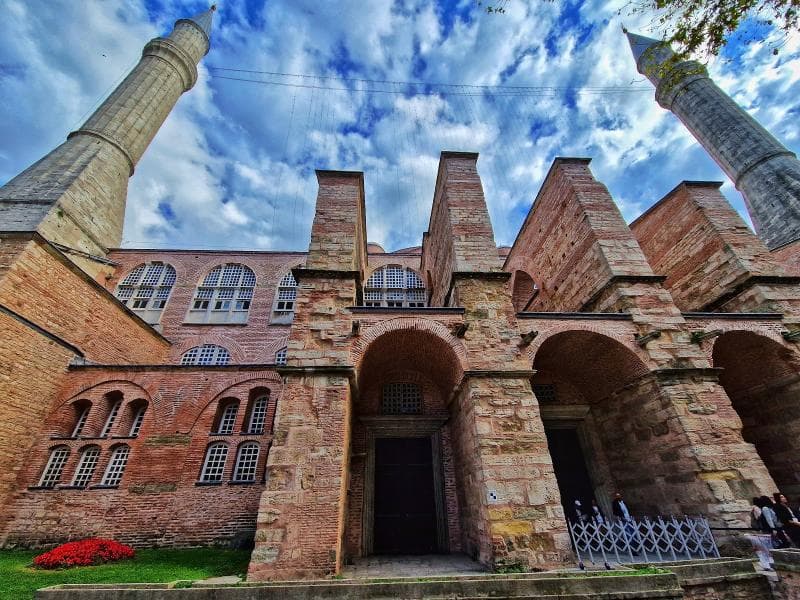
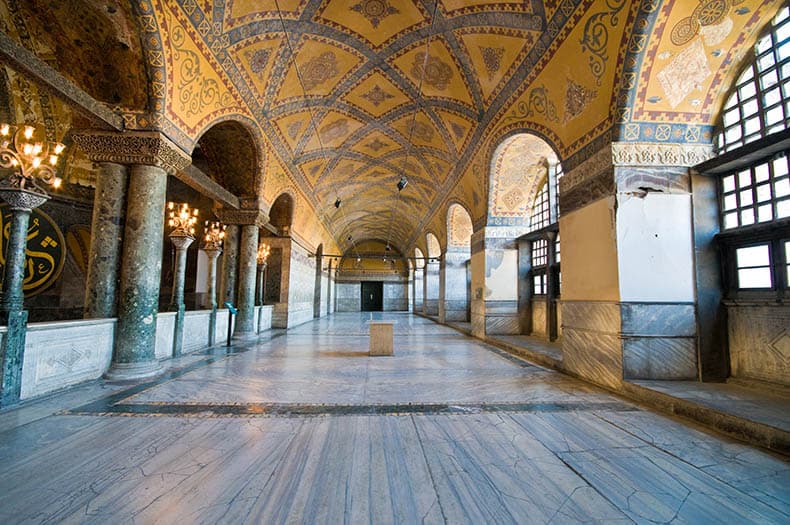
Explore the Upper Gallery of Hagia Sophia in Istanbul, Turkey, home to stunning Byzantine mosaics and imperial history. Discover its unique perspectives.
Overview
Nestled within the magnificent Hagia Sophia in Istanbul, Turkey, the Upper Gallery offers a captivating journey back in time, providing a unique vantage point and an intimate encounter with Byzantine artistry. This horseshoe-shaped level, once the exclusive domain of the empress and the imperial court, unfolds above the vast main nave. From this elevated position, the Byzantine elite would observe grand ceremonies unfolding below, participating in the spiritual and political heart of their empire. Today, visitors ascend to the Upper Gallery to witness some of Hagia Sophia's most celebrated and well-preserved mosaics, shimmering testaments to an ancient world. It’s a space where history whispers from every gilded tessera, inviting contemplation and wonder as you overlook centuries of human endeavor and devotion.
History & Cultural Background
The history of the Upper Gallery is intrinsically linked to that of the Hagia Sophia itself, a structure that has continually adapted through epochs of profound change. Originally consecrated as a Christian cathedral in 537 CE under Emperor Justinian I, it served as the seat of the Ecumenical Patriarch of Constantinople and was the largest cathedral in the world for nearly a thousand years. During its time as a Byzantine church, the Upper Gallery was specifically designated for the women of the imperial family and their retinue, offering them a secluded yet prominent position during religious services. Following the Ottoman conquest of Constantinople in 1453, Hagia Sophia was converted into a mosque, and many of its figurative mosaics were covered or plastered over in accordance with Islamic iconoclastic traditions. In 1935, it transitioned into a museum, allowing these hidden artistic treasures to be meticulously restored and revealed to the public. The structure reverted to its status as a mosque in 2020. Despite these transformations, the Upper Gallery's mosaics, largely dating from after the end of the Iconoclast period in 843 CE, continued to endure, telling stories of emperors, empresses, and Christian devotion.
What Makes It Special
The Upper Gallery is a treasure trove of historical and artistic significance, setting it apart as a must-visit section of Hagia Sophia. Its most compelling feature is the collection of world-renowned Byzantine mosaics. Unlike many ground-floor decorations, the mosaics in the Upper Gallery were often left uncovered during its time as a mosque, preserving their original brilliance. The most famous among these is the Deësis Mosaic, located in the south gallery, depicting Christ Pantocrator flanked by the Virgin Mary and John the Baptist. Created around 1261, shortly after Constantinople was reclaimed from the Latin Crusaders, this mosaic is celebrated for its remarkable emotional realism and soft tones, heralding a new era in Byzantine art. Further along, you'll encounter the imperial portraits, including the majestic Empress Zoe Mosaic and the Komnenos Mosaic, which portray emperors and empresses presenting offerings to Christ and the Virgin Mary. These provide invaluable insights into Byzantine imperial iconography and personal piety. The Upper Gallery also houses the intriguing 'Marble Gate', historically known as the 'Gate of Heaven and Hell', which separated different sections of the gallery and was traversed during significant religious synods. Architecturally, the gallery is supported by 64 columns, contributing to the structural grandeur of the edifice. From here, the scale of the Hagia Sophia's dome and interior becomes even more breathtaking, offering a perspective unmatched from the ground floor.
Stories, Fun Facts & Local Details
Stepping into the Upper Gallery is like entering a historical narrative, filled with intriguing stories and intimate details. Imagine the Byzantine empress, adorned in her finest silks, watching from her designated spot, marked by a distinctive green marble stone which is still visible today. This elevated position offered both status and a degree of separation from the general congregation below. One fascinating detail lies within the Empress Zoe Mosaic: the heads of the imperial figures have been visibly reworked. This is believed to be due to Empress Zoe's multiple marriages; each time she took a new husband, the mosaic was altered to depict him alongside her, a testament to the fluidity of power and identity within the Byzantine court. The Deësis mosaic, with its profound human emotion, speaks volumes about the Byzantine recovery and renewed spiritual confidence after a period of upheaval. It's a reminder that art often reflects the socio-political climate of its time. Accessing this historical realm involves a journey up a unique, steep cobbled stone ramp, an architectural marvel in itself, providing a sense of ascending to a sacred and historically significant space. The play of light through the windows here illuminates the golden tesserae, creating a dynamic and ethereal atmosphere that changes throughout the day, breathing life into the ancient scenes.
Visitor Perspective
For any traveler to Istanbul, a visit to the Hagia Sophia's Upper Gallery is an enriching experience that deepens one's understanding of this iconic landmark. The ascent to the gallery, though via a stone ramp that can be steep, is part of the adventure and prepares you for the panoramic views and artistic wonders awaiting above. Once you reach the top, you are immediately struck by the sheer scale of the interior and the intricate details of the mosaics, which are much more discernible at eye level than from the main floor. Take your time to study the expressions on the faces within the Deësis mosaic and to appreciate the artistry that has survived centuries. While Hagia Sophia is open daily, it's wise to plan your visit strategically. The Upper Gallery is typically open to tourists during specific hours, and an entrance fee applies. To avoid larger crowds and enjoy a more contemplative experience, consider visiting on a weekday, either early in the morning or later in the afternoon. Be mindful that while the Upper Gallery mosaics are generally uncovered, prayer times might affect access to certain areas of the mosque. This perspective from above allows you to fully grasp the architectural genius of Hagia Sophia and appreciate its layered history, from imperial ceremonies to artistic masterpieces, all within one awe-inspiring space.
Coordinates: 28.98, 41.00851
View on Google Maps💬 How Travelers Describe This Place
Based on community votes
Interesting
981Photogenic
617Beautiful
565Must See
157Unique
28
Traveler Stories
Discover memorable experiences shared by travelers who have visited this place.
No traveler stories yet.
Be the first traveler to share what made this place memorable.

Tour
By
Spot
Discover amazing places around the world. Your journey starts here.
Explore
© 2026 TourBySpot. All rights reserved.