University Of Geneva Buildings
Geneva, Switzerland
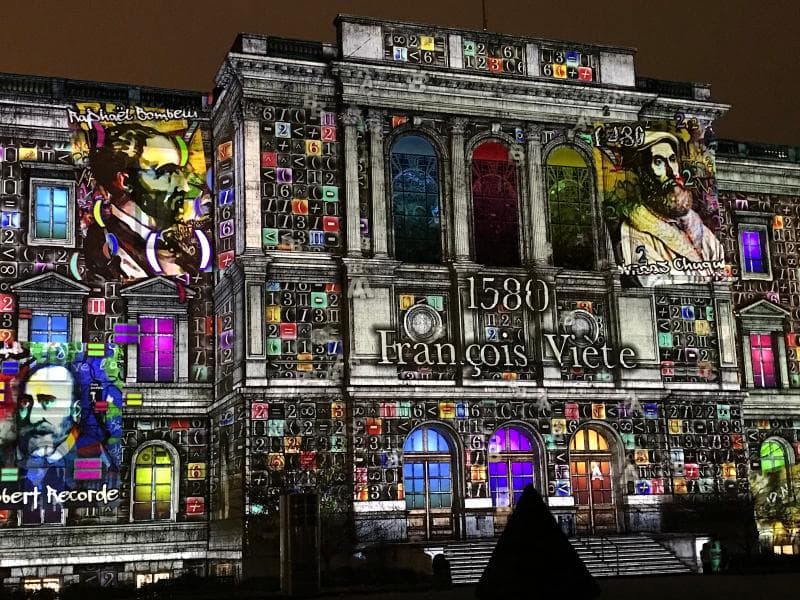
Explore the historic University of Geneva buildings, especially Uni Bastions, nestled within Parc des Bastions in Geneva, Switzerland. Discover its rich history, architectural beauty, and vibrant academic atmosphere.
Overview
Nestled within the verdant expanse of Parc des Bastions in Geneva, Switzerland, stand the historic buildings of the University of Geneva, most notably the Uni Bastions. These elegant structures serve as a significant hub for academic life, blending seamlessly with the park's natural beauty and rich historical tapestry. As the symbolic heart of the University's presence in the city center, Uni Bastions houses the Faculty of Arts and the Faculty of Protestant Theology, alongside a prominent public library. Its location within Parc des Bastions means visitors can easily explore both the academic landmarks and the park's many attractions, from the monumental Reformation Wall to the popular giant chess boards.
History & Cultural Background
The story of the University of Geneva begins long before the construction of Uni Bastions. Founded in 1559 by the influential French theologian John Calvin, it was initially known as the Academy of Geneva. This institution served primarily as a theological seminary, playing a pivotal role in the Protestant Reformation and educating not only pastors but also future magistrates for the Republic of Geneva.
Over the centuries, the Academy evolved, gradually broadening its curriculum beyond theology. A significant transformation occurred in 1873 when it shed its religious affiliations to become an officially secular public university. The majestic Uni Bastions building, constructed between 1868 and 1871, marked a new era, becoming the university's first dedicated site within Parc des Bastions. This move integrated the burgeoning university into one of Geneva's most cherished public spaces, which itself boasts a history dating back to the aftermath of the 1720 plague when it was established as a garden and walking area.
What Makes It Special
The Uni Bastions building is more than just a place of learning; it is an architectural gem and a profound symbol of Geneva's intellectual heritage. Its neoclassical design, with grand facades and stately presence, immediately commands attention within the picturesque setting of Parc des Bastions. The integration of academic life directly into a public park creates a unique atmosphere where scholarly pursuits intertwine with leisure and civic engagement. This iconic building continues to be central to Geneva's academic identity, fostering an environment where arts and theology thrive. Furthermore, the building is a testament to the city's commitment to preserving its past while embracing the future, as evidenced by ongoing renovation projects aimed at modernizing its facilities while meticulously maintaining its historic character.
Stories, Fun Facts & Local Details
The presence of the University of Geneva buildings in Parc des Bastions imbues the entire area with a vibrant, youthful energy. Visitors often encounter students engaged in lively discussions, studying on park benches, or simply enjoying the peaceful surroundings between classes. A fascinating aspect is the close proximity to the Reformation Wall, a colossal monument celebrating the key figures of the Protestant Reformation, including John Calvin himself, the university's founder. This creates a tangible link between the university's origins and its current location, allowing one to walk through centuries of history in a single stroll. Another beloved local detail within the park are the giant outdoor chess boards, which often draw students and locals alike for impromptu games, adding a playful dimension to this historically rich academic landscape.
Visitor Perspective
Visiting the University of Geneva buildings within Parc des Bastions offers a unique blend of cultural, historical, and academic immersion. It's an invitation to wander through a space where centuries of thought and natural beauty converge. As you stroll through the tree-lined promenades, you can admire the elegant architecture of Uni Bastions, perhaps peeking into the public library or simply observing the dynamic student life that animates the area. The experience is one of quiet contemplation combined with subtle discovery, allowing curious travelers to connect with Geneva's profound academic legacy and its role in shaping Western thought. It's a place where the echoes of Calvin's academy still resonate, surrounded by the everyday vibrancy of modern student life and the timeless charm of one of Geneva's most beloved parks. This accessible and welcoming environment provides a rich, authentic glimpse into the intellectual heart of Geneva, entirely free to explore and enjoy.
Coordinates: 6.145, 46.1991666667
View on Google Maps💬 How Travelers Describe This Place
Based on community votes
Must See
980Photogenic
326Unique
247Interesting
171Beautiful
130
Traveler Stories
Discover memorable experiences shared by travelers who have visited this place.
No traveler stories yet.
Be the first traveler to share what made this place memorable.

Tour
By
Spot
Discover amazing places around the world. Your journey starts here.
Explore
© 2026 TourBySpot. All rights reserved.