Underground Passage
Jakarta, Indonesia
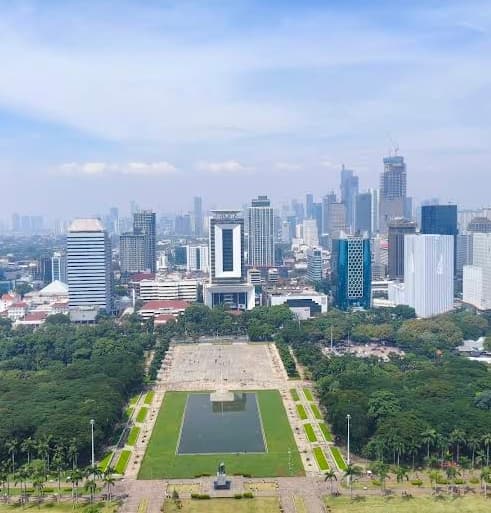
Explore the Underground Passage of National Monument (Monas) in Jakarta, Indonesia. Discover Indonesia's history, culture, and struggle for independence.
Overview
Deep beneath the bustling heart of Jakarta, Indonesia, lies an intriguing gateway to the nation's past: the Underground Passage of the National Monument, affectionately known as Monas. This subterranean pathway isn't merely a functional link; it's the beginning of a profound historical journey. As you step away from the expansive Merdeka Square and descend into this cool, quiet space, you're not just moving from one point to another, but transitioning from contemporary Jakarta into the vivid tapestry of Indonesia's struggle for independence and its rich cultural heritage. The passage serves as the primary entrance to the National History Museum, nestled within the monument's pedestal, offering a unique introduction to one of Southeast Asia's most significant landmarks.
Monas itself stands as a towering obelisk, reaching 132 meters (433 feet) into the sky, a powerful symbol erected to commemorate the Indonesian people's unwavering fight for freedom from colonial rule. The monument, crowned with a shimmering flame coated in gold leaf, embodies the enduring spirit and burning passion of the nation. While the golden flame captures the eye from afar, the true depth of the monument's story begins with its underground sections.
History & Cultural Background
The construction of the National Monument was a monumental undertaking, initiated by Indonesia's first president, Sukarno, on August 17, 1961, the anniversary of Indonesia's independence proclamation. After years of dedication, Monas was officially opened to the public in 1975. The entire structure, including its foundational elements, was meticulously planned to reflect the nation's identity and history. The Underground Passage and the National History Museum it leads to are integral components of this grand design, conceived to educate and inspire generations about the sacrifices made for independence.
The museum, situated 3 to 4 meters below the monument's surface, was designed to chronologically narrate Indonesia's past. Its walls, often lined with marble, house a series of dioramas that depict historical events, cultural traditions, and pivotal moments. From prehistoric times to the glory of ancient kingdoms, and through the arduous struggle for sovereignty against Dutch colonial rule, the museum provides a comprehensive overview. This careful curation ensures that the physical journey through the underground passage culminates in a rich educational experience, embedding visitors in the nation's collective memory.
What Makes It Special
What makes the Underground Passage truly special is its role as a portal. It's more than just an access tunnel; it's a deliberate transition from the vibrancy of Merdeka Square to the solemnity of the historical museum. The initial descent offers a welcome respite from Jakarta's tropical heat, guiding visitors into a cooler, quieter environment where reflection takes precedence. This passage enhances the sense of discovery, preparing you for the historical treasures that await. It is often the first encounter visitors have with the monument's interior, creating an immediate sense of anticipation.
Once through the passage, you arrive at the National History Museum, a vast 80 x 80-meter space where history comes alive through more than 30 detailed dioramas. These three-dimensional scenes vividly portray everything from early Indonesian societies to the dramatic events of the independence revolution. Further within the monument, the Independence Room holds profound significance, containing a replica of the original proclamation text of Indonesian Independence, displayed within a gold-plated gate, and other national symbols. The very act of entering this historical narrative from beneath the ground creates a memorable and immersive experience, making the abstract concept of history tangible.
Stories, Fun Facts & Local Details
The design of Monas itself holds fascinating, albeit sometimes debated, symbolic interpretations. Some suggest the monument's obelisk shape represents a 'linga,' a Hindu symbol of masculinity, while its goblet-like base signifies a 'yoni,' representing female creative energy, thus embodying life and fertility. This blend of traditional motifs with modernist influences highlights Indonesia's rich architectural heritage. The most visible and striking feature, the golden flame atop Monas, was originally coated with 35 kilograms of gold. In 1995, during the golden anniversary of Indonesia's independence, an additional 50 pounds of gold were added, partly through contributions from individuals like Teuku Markam, further enhancing its brilliance and symbolic value as an 'unquenchable spirit'.
For many local Indonesians, Monas, including its underground sections and the surrounding park, is a cherished national treasure and a popular spot for recreation and education. Families often picnic in the expansive grounds, and students frequently visit the museum on school trips to learn about their nation's past. The monument's central location in Merdeka Square, one of the world's largest city squares, makes it a prominent and easily accessible landmark, deeply embedded in the daily life and collective pride of Jakarta's inhabitants.
Visitor Perspective
A visit to the National Monument typically begins with navigating the broad expanse of Merdeka Square before heading towards the designated entrance for the underground passage. This is where you'll find the ticket office, often requiring the purchase of a JakCard for entry, a common system for tourist attractions in Jakarta. Stepping into the Underground Passage offers an immediate change in atmosphere; the sounds of the city begin to fade, replaced by a sense of calm anticipation. The passage itself, while functional, adds to the narrative, building a sense of descending into history.
Emerging from the passage, you are directly inside the pedestal of Monas, confronted by the extensive National History Museum. Here, take your time to explore the numerous dioramas, each telling a piece of Indonesia's intricate story. It's a place where history is presented not just as facts, but as a visual narrative that can evoke a strong connection to the struggles and triumphs of the Indonesian people. After immersing yourself in the museum, you can proceed to other parts of the monument, perhaps ascending to the observation deck for panoramic views of Jakarta, but the journey through the Underground Passage and the museum remains a foundational and enriching experience of this iconic Indonesian landmark.
Coordinates: 106.8229, -6.1719
View on Google Maps💬 How Travelers Describe This Place
Based on community votes
Photogenic
953Unique
695Beautiful
396Must See
286Interesting
22
Traveler Stories
Discover memorable experiences shared by travelers who have visited this place.
No traveler stories yet.
Be the first traveler to share what made this place memorable.

Tour
By
Spot
Discover amazing places around the world. Your journey starts here.
Explore
© 2026 TourBySpot. All rights reserved.