Tuul River Views
Ulaanbaatar, Mongolia
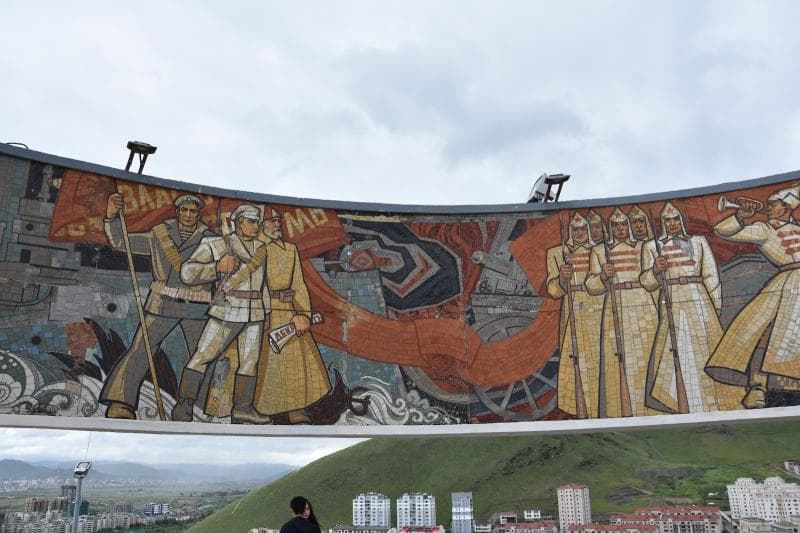
Discover the panoramic Tuul River Views from Zaisan Memorial in Ulaanbaatar, Mongolia, offering a unique blend of history and stunning cityscapes.
Overview
Perched majestically on a hill overlooking Ulaanbaatar, the Zaisan Memorial offers not only a poignant tribute to history but also unparalleled panoramic views of the Mongolian capital and the serene Tuul River. From this elevated vantage point, visitors can witness the sprawling urban landscape, dotted with both modern buildings and traditional ger districts, all set against the backdrop of distant mountains. The vista of the Tuul River, often called 'Queen Tuul', as it gently snakes its way through the city from the Terelj National Park, is a highlight, providing a natural contrast to the bustling city life below. This spot serves as a crucial point of interest for understanding Ulaanbaatar's geography and its connection to the surrounding natural environment.
History & Cultural Background
The Zaisan Memorial, situated in the southern part of Ulaanbaatar, was constructed between 1969 and 1971. It was unveiled to commemorate the 50th anniversary of Mongolia's 1921 People's Revolution, specifically honoring allied Mongolian and Soviet soldiers who perished in World War II. The centerpiece of the memorial is a circular concrete ring adorned with a vibrant mosaic mural. This artwork vividly depicts significant moments of friendship and cooperation between the Soviet Union and Mongolia. Scenes include Soviet support for Mongolia's declaration of independence in 1921, the defeat of the Japanese Kwantung Army at Khalkhin Gol in 1939, the victory over Nazi Germany in 1945, and even Soviet space achievements, such as the flight of Soyuz 39 which carried the first Mongolian into space. The monument itself is designed to resemble a traditional Mongolian fireplace, known as a 'Tulga', symbolizing life and enduring spirit. At the foot of the hill, a Tank Memorial featuring a genuine Soviet T-34 tank further commemorates the Mongolian People's Tank Brigade and its journey from Moscow to Berlin during World War II.
What Makes It Special
Beyond its historical significance, the 'Tuul River Views' from Zaisan Memorial are truly exceptional for their expansive scope and the unique perspective they offer on Ulaanbaatar's urban development and natural beauty. It provides a visual narrative of the city's growth, showcasing the juxtaposition of modern infrastructure with the traditional yurt settlements on the periphery. The winding Tuul River, a sacred waterway known as 'Hatan Tuul' or 'Queen Tuul', becomes a focal point from this height, emphasizing its role as the city's lifeline. The memorial is one of the few places where visitors can gain a comprehensive understanding of Ulaanbaatar's layout, its connection to the Bogd Khan mountains, and the continuous flow of the river that has shaped its existence for centuries. The site's blend of solemn history and breathtaking scenery creates a profoundly moving experience.
Stories, Fun Facts & Local Details
The Tuul River holds a deeply revered place in Mongolian culture, transcending its physical presence to become a symbol of national identity and resilience. Ancient Mongolian folklore, songs, and poems frequently celebrate 'Hatan Tuul' for its beauty and life-giving properties. Historically, the river was not just a source of water but also a strategic route for nomadic tribes, including the formidable Mongol Empire under Genghis Khan. For locals today, the Zaisan Memorial is more than a historical site; it's a social gathering place. It's common to see newly married couples laying flowers here, or students on field trips and celebrating graduations, highlighting its ongoing cultural relevance beyond its Soviet-era origins. During warmer months, the riverbanks transform into lively spots for picnics and leisurely strolls, offering a green escape from the city.
Visitor Perspective
Accessing the 'Tuul River Views' at Zaisan Memorial typically involves climbing several hundred steps – between 300 from a top parking spot or 612 from the base of the hill – a climb that many describe as arduous but immensely rewarding. The memorial is open 24 hours a day and there is no entry fee, allowing for visits at various times, though sunrise and sunset are particularly recommended for the most spectacular vistas and photographic opportunities. However, visitors should be aware that during winter, the steps can become slippery due to ice. As of August 2024, parts of the site, including stairways and a glass bridge from an adjacent shopping mall, are under renovation, which might impact accessibility for some areas. Combining a visit to Zaisan Memorial with the nearby Bogd Khan Winter Palace Museum is a popular and enriching itinerary.
Coordinates: 106.9095, 47.8838
View on Google Maps💬 How Travelers Describe This Place
Based on community votes
Interesting
618Unique
449Must See
335Photogenic
308Beautiful
22
Traveler Stories
Discover memorable experiences shared by travelers who have visited this place.
No traveler stories yet.
Be the first traveler to share what made this place memorable.

Tour
By
Spot
Discover amazing places around the world. Your journey starts here.
Explore
© 2026 TourBySpot. All rights reserved.