Triennale
Milan, Italy
Explore Triennale Milano in Parco Sempione, Milan, Italy – a leading institution for Italian and international design, architecture, and art exhibitions.
Overview
Triennale Milano stands as a beacon of modern and contemporary culture nestled within Milan's verdant Parco Sempione, Italy. More than just a museum, it is a dynamic international institution housed in the striking Palazzo dell'Arte, serving as a crucial hub for design, architecture, and the visual and performing arts. It embraces a multidisciplinary approach, fostering dialogue between various creative expressions and stimulating the relationship between industry, art, and society. Visitors to this iconic Milanese landmark discover a vibrant space where creativity and culture converge, offering a unique lens into Italian and international artistic thought.
History & Cultural Background
The story of Triennale Milano began in 1923 with the first International Exhibition of Decorative Arts in Monza. Initially conceived to energize Italian consumers, designers, and architects by showcasing innovative contributions in the decorative arts, the exhibition soon outgrew its initial home. By 1933, the exhibition found its permanent and fitting home in Milan, relocating to the purpose-built Palazzo dell'Arte within Parco Sempione. This magnificent building, designed by the renowned architect Giovanni Muzio and financed by industrialist Antonio Bernocchi, is itself considered a significant example of Rationalist architecture. The institution gained international recognition from the Bureau International des Expositions (BIE) in 1928, acknowledging its unique historical precedence and enduring role in promoting a unitary vision of all forms of art and creative expression. Over the decades, its scope expanded significantly, moving beyond decorative arts to encompass a broad spectrum of contemporary art, design, fashion, architecture, and urban planning, deeply rooting it in Milan's identity as a global design capital.
What Makes It Special
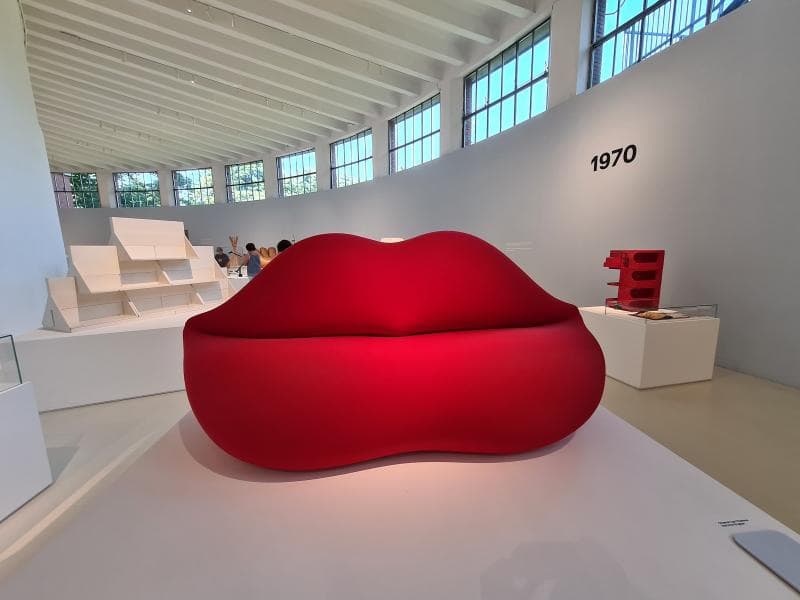
What truly sets Triennale Milano apart is its unwavering commitment to being a laboratory of ideas and a reflection of contemporary issues. It is home to the Museo del Design Italiano, featuring a comprehensive permanent collection of over 1,600 iconic objects that trace the history and evolution of Italian design from the 1920s to the 2000s. Beyond its continuous exhibitions, the Triennale is renowned for its recurring International Exhibitions, held every three years, which explore specific themes reflecting modern-day challenges and promote experimentation across art, behavioral sciences, and scientific research. The institution also houses the Teatro dell'Arte, a significant venue for cultural projects and performing arts, offering a diverse program of theater, dance, concerts, and talks. Its beautiful garden, a tranquil oasis within the city, further enhances the visitor experience, making it a multifaceted cultural destination.
Stories, Fun Facts & Local Details
For a truly memorable experience, the top-floor Terrazza Triennale, a glass-enclosed restaurant, provides breathtaking views of Milan's skyline and the surrounding Parco Sempione, perfectly blending culinary delights with artistic appreciation. The Triennale's building itself, the Palazzo dell'Arte, is strategically located to complete a monumental ring that includes other Milanese landmarks like Castello Sforzesco and Arco della Pace, illustrating its deep integration into the city's historical and cultural fabric. Its proximity to Parco Sempione also means visitors can combine their cultural exploration with a leisurely stroll through one of Milan's most beloved green spaces. It's a place where even a casual stroll can reveal layers of Milanese creativity and innovation.
Visitor Perspective
Visiting Triennale Milano offers a rich and engaging experience for any curious traveler. While access to the building and many public spaces, including parts of the garden, is generally free, a ticket is often required to explore specific temporary exhibitions or attend performances at the Teatro dell'Arte. The institution is easily accessible, situated in the heart of Milan at Viale Alemagna 6, adjacent to Parco Sempione, and well-served by public transport. Inside, the spacious and light-filled halls of the Palazzo dell'Arte invite visitors to journey through diverse fields of creativity. Beyond the exhibitions, one can find a research and archive center, a library with a vast collection on 20th-century creative thought, and various dining options from casual cafes to fine dining. The Triennale is designed to be a landmark open to everyone, offering continuous new perspectives on topics central to global society, truly making every visit a unique encounter with art, design, and contemporary culture.
Coordinates: 9.174, 45.4724
View on Google Maps💬 How Travelers Describe This Place
Based on community votes
Beautiful
996Unique
726Interesting
717Photogenic
335Must See
193
Traveler Stories
Discover memorable experiences shared by travelers who have visited this place.
No traveler stories yet.
Be the first traveler to share what made this place memorable.

Tour
By
Spot
Discover amazing places around the world. Your journey starts here.
Explore
© 2026 TourBySpot. All rights reserved.