Tre Kronor Museum
Stockholm, Sweden
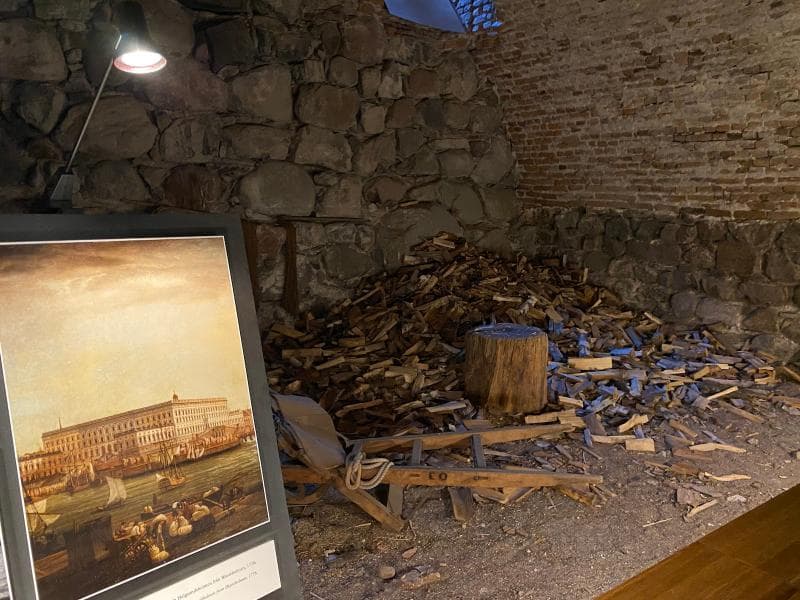
Explore the Tre Kronor Museum inside Stockholm Palace in Stockholm, Sweden. Uncover the history of the original castle before the 1697 fire and see ancient relics.
Overview
Nestled within the majestic Stockholm Palace, the Tre Kronor Museum offers a profound journey back in time, delving into the origins of Sweden's royal heritage. This unique museum is dedicated to the original Tre Kronor Palace, a formidable structure that stood on the same site for centuries before its devastating destruction by fire in 1697. Located on the ground floor of the current palace's northern wing, a section that remarkably withstood the blaze, the museum serves as a tangible link to a bygone era. To access its ancient chambers, visitors are invited to pass through a substantial five-meter thick defense wall, dating back to the 1200s, an entrance that immediately sets the tone for the historical exploration ahead. The exhibits vividly portray the evolution of this significant site, from its humble beginnings as a strategic defense fort to its transformation into a grand Renaissance palace, providing a rich tapestry of Sweden's past.
History & Cultural Background
The story of Tre Kronor begins long before the palace itself, with the site being home to a Viking wooden blockade as early as the late 900s. By the 1100s, this strategic location had evolved into a robust defense fort, guarding what would become the heart of Sweden. The medieval Tre Kronor Castle, or 'Three Crowns Castle,' grew from these ancient fortifications, becoming a central seat of power for centuries. However, a catastrophic fire on May 7, 1697, consumed the beloved palace, altering the course of Swedish architectural history. In its place rose the magnificent Stockholm Palace we see today, a grand Baroque edifice designed by Nicodemus Tessin the Younger. Construction began almost immediately after the fire in 1697 and was largely completed by 1760. The name 'Tre Kronor,' meaning 'Three Crowns,' is not only the historical designation of the former palace but also an enduring national symbol of Sweden, gracing everything from the national ice hockey team's emblem to the top of Stockholm's City Hall Tower. This pivotal site, situated in Stockholm's charming Gamla Stan (Old Town), is a testament to the city's deep medieval roots, with the area itself dating back to the 13th century.
What Makes It Special
The Tre Kronor Museum distinguishes itself through its intimate connection to the very foundations of Swedish royalty. It serves as a guardian of artifacts that miraculously survived the 1697 fire, offering a poignant glimpse into the palace's rich interior life before its demise. Beyond rescued treasures, the museum captivates visitors with meticulously crafted models that illustrate the remarkable metamorphosis of the site – from its earliest form as a rugged medieval stronghold to the elegant, pre-fire Baroque castle it was becoming. One of its most striking features is the visible integration of genuine sections of the 13th-century defense wall, allowing visitors to touch and experience a piece of medieval engineering firsthand. Further enriching the experience are the unearthed remnants of the medieval palace, including an ancient kitchen, a food hoist, a piece of 16th-century marble garden furniture, and even a medieval cesspit, offering an exceptionally detailed look at daily life within the castle walls.
Stories, Fun Facts & Local Details
Amidst the historical narratives, the Tre Kronor Museum also shares intriguing anecdotes that bring the past to life. One such tale involves King Karl XI and his secret passage, constructed in 1674. Legend has it that the King would occasionally don a 'grey cloak' and use this concealed route to slip out of the palace incognito, venturing into the city to observe the lives of his ordinary subjects. This passage is remarkably still usable today, leading out under Norrbro, offering a fascinating connection to a monarch's curiosity and desire for connection. The enduring national symbol of the three crowns, whose origin is tied to this very palace, transcends its historical context, even inspiring the name of Sweden's esteemed national ice hockey team. The museum's location within the current Royal Palace's northern wing is itself a compelling detail, as this was the section best preserved from the devastating fire, making it a natural repository for the stories of what once was. Exploring these subterranean layers of history within the bustling heart of Stockholm's Gamla Stan provides a unique perspective on the city's continuous, evolving narrative.
Visitor Perspective
A visit to the Tre Kronor Museum is an essential experience for anyone seeking to understand the deep historical roots of Stockholm and its Royal Palace. Stepping through the ancient five-meter thick defense wall immediately immerses visitors in an atmosphere of antiquity and resilience. This carefully curated museum provides crucial historical context for the grand Baroque palace that stands above it, offering insights into the site's foundational past before the 1697 fire. For many travelers, the comprehensive entrance ticket to the Royal Palace is a great value, as it often includes access not only to the Tre Kronor Museum but also to other significant attractions such as the Royal Apartments, the Treasury, and Gustav III's Museum of Antiquities, allowing for a multifaceted exploration of Swedish heritage. It's an immersive journey that transforms the abstract concept of history into a tangible, emotional experience, fostering a deeper appreciation for Sweden's royal lineage and cultural identity. Located in the vibrant Gamla Stan, the museum is perfectly situated for those exploring the charming cobblestone streets and historic architecture of Stockholm's Old Town, making it a key component of a broader cultural adventure.
Coordinates: 18.071655, 59.3267941
View on Google Maps💬 How Travelers Describe This Place
Based on community votes
Must See
981Photogenic
921Beautiful
617Unique
357Interesting
147
Traveler Stories
Discover memorable experiences shared by travelers who have visited this place.
No traveler stories yet.
Be the first traveler to share what made this place memorable.

Tour
By
Spot
Discover amazing places around the world. Your journey starts here.
Explore
© 2026 TourBySpot. All rights reserved.